
Under the law of Hong Kong, intoxicating liquor must not be sold or supplied to a minor in the course of business. | 根據香港法律,不得在業務過程中,向未成年人售賣或供應令人醺醉的酒類。


San Dionigi
Dika Rosato 2024
| 品名 | IGT Verona |
|---|---|
| 酒瓶尺寸 | 0,75 l |
| 酒精度 | 12.5% 按體積 |
| 产区 | 威尼托 (Italy) |
| 葡萄品种 | 100% Corvina |
| 陈酿 | 熟成和蘋果酸乳酸發酵 - 在酒桶中自然發酵 5 至 8 個月,視年份而定。 |


描述
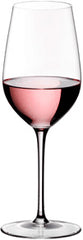
2024年份的迪卡桃紅葡萄酒 Dika Rosato 2024 是一款產自威尼託大區聖迪奧尼吉酒莊 San Dionigi 的有機靜止桃紅葡萄酒。這款酒源自於一個家族對有機種植的熱情,他們選擇完全轉型有機種植。 100%科維納 Corvina 葡萄釀造。散發著新鮮白色水果、精緻花香以及一絲白甘草的辛香。酒體呈玫瑰色。入口後,鹹鮮的口感提升了易飲性,並賦予其純正的清新感。礦物質風味與果香完美融合。
詳細資訊

香水

顏色

味道
服務於:
10 - 12 °C
長壽:
5 - 10年
- 公頃: 4
到目前為止,我們有七公頃的葡萄園,分佈如下:四公頃半是我們的原生品種,我們對這些品種非常關心和保護:Corvina、Corvinone、Rondinella、Molinara、Oseleta、Spigamonti、Croatina,還有一小塊桑嬌維塞(唯一的非原生品種)。另外兩公頃半的土地被我們的橄欖樹包圍,品種有 Grignano、Favarol、Leccino 和 Pendolino。 我們也選擇保護農場周圍的森林,以維護我們最重視的原則之一:生物多樣性。正是在清理森林的過程中,我們嘗試發展一個獨立的綜合和再生園藝項目,這是我們回饋大自然的眾多方式之一,同時也是為了自我生產和珍視我們擁有的巨大遺產。 閱讀更多


| 名称 | San Dionigi Dika Rosato 2024 |
|---|---|
| 类型 | 桃红葡萄酒 有機 醇 |
| 葡萄酒名称 | Verona IGT |
| 年份 | 2024 |
| 容量 | 0,75 l |
| 酒精度 | 12.5% 按體積 |
| 葡萄品种 | 100% Corvina |
| 国家 | Italy |
| 产地 | 威尼托 |
| 供应商 | San Dionigi |
| 土壤成分 | 只精選位於 Col lina 的老藤,土壤底層為粉砂和黏土,深層則普遍為石灰岩。 |
| 栽培系统 | Guyot訓練。 |
| 收获 | 在葡萄完全酚類成熟時進行人工採收,必要時可進行多次採收。 |
| 酿酒工艺 | 在收穫當天進行柔性整簇壓榨。在 Impruneta amphorae 中使用本地酵母進行自發酒精發酵。 |
| 陈酿 | 熟成和蘋果酸乳酸發酵 - 在酒桶中自然發酵 5 至 8 個月,視年份而定。 |