
Under the law of Hong Kong, intoxicating liquor must not be sold or supplied to a minor in the course of business. | 根據香港法律,不得在業務過程中,向未成年人售賣或供應令人醺醉的酒類。


La Massa
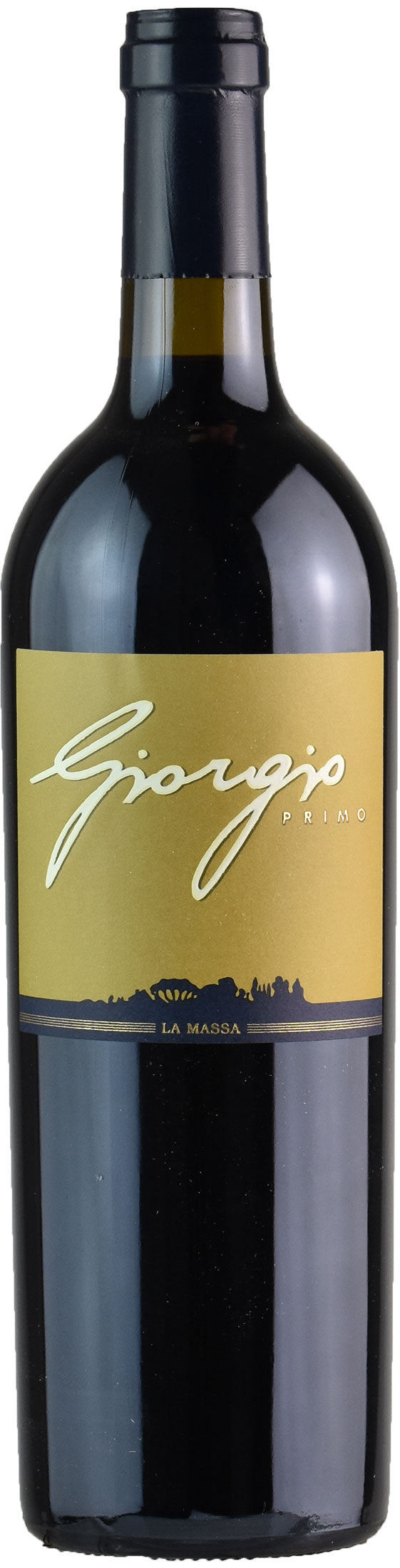
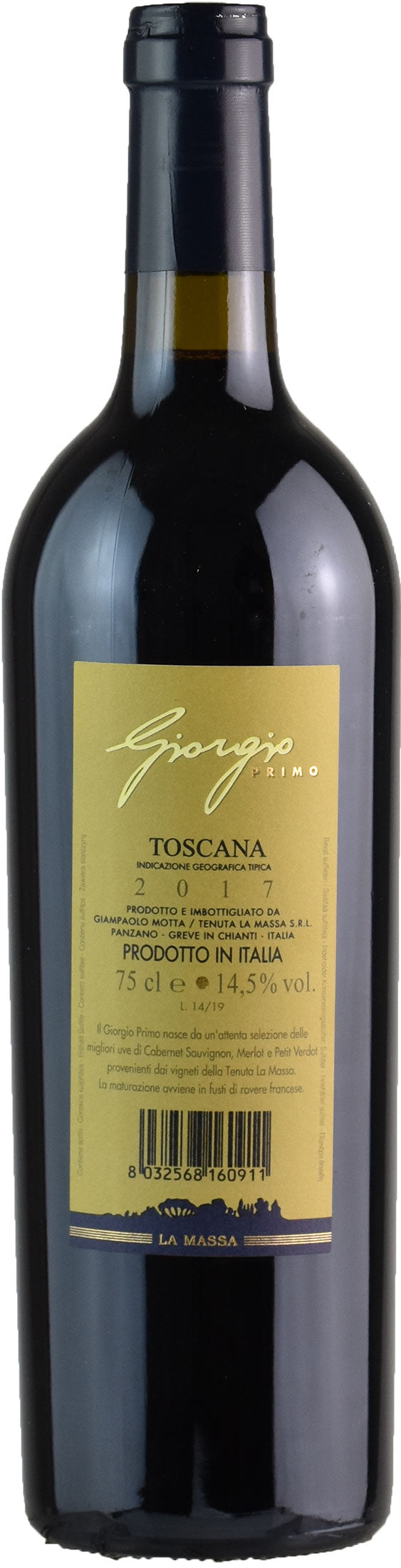
Giorgio Primo 2017
其他年份:
2019| 品名 | IGT Toscana |
|---|---|
| 酒瓶尺寸 | 0,75 l |
| 酒精度 | 14.5% 按体积 |
| 产区 | 托斯卡纳 (Italy) |
| 葡萄品种 | 70% Cabernet Sauvignon, 25% Merlot, 5% Petit Verdot |
| 陈酿 | 18 months, is characterized by an initial period of 10 months in which the wine is in contact with the lees and maintained by frequent battonage and macro oxygenation. |
| 其他年份: | 2019 |
描述
乔治·普里莫Giorgio Primo是一款拥有二十年历史的葡萄酒,是托斯卡纳地区风土的最佳诠释,出自不断发展壮大的法托里亚·拉马萨酒庄Fattoria La Massa。这款静止红葡萄酒口感精致,香气馥郁,采用多种葡萄品种混酿而成:70%赤霞珠Cabernet Sauvignon、25%梅洛Merlot和5%小维铎Petit Verdot。多年来的精心甄选,成就了这款独一无二、品质卓越的佳酿。赤霞珠似乎能够适应各种土壤,因此种植起来并不困难,梅洛也是如此。只有小维铎对成熟有特殊的要求,偏爱温暖、阳光充足、通风良好且降雨量少的气候。这些葡萄园生长在富含片岩的黏土和钙质土壤中,赋予了乔治·普里莫Giorgio Primo葡萄酒独特的矿物风味。这家知名酒庄的强项在于对每一颗葡萄进行人工筛选和评估,而这种精湛的技艺在这款平衡度极佳的托斯卡纳IGT红葡萄酒中得到了淋漓尽致的体现。这款酒采用无酵母发酵工艺,并仅添加少量亚硫酸盐。在陈酿过程中,酒庄会定期进行检查和持续分析,以监测葡萄酒的变化,确保消费者能够品尝到最高品质的产品。
奖项
-
2017
 94
94/100
詹姆斯·萨克林 (James Suckling) 是美国极具影响力的葡萄酒评论家和记者,曾在《葡萄酒观察家》(Wine Spectator) 任职30年。他于2010年离职并创立了自己的网站和指南 (JamesSuckling.com)。他专注于意大利和波尔多葡萄酒的研究。
-
2017
 95
95/100
由罗伯特·帕克编撰的国际葡萄酒指南,罗伯特世界上最有经验和值得信赖的品酒师。
-
2017
 96
96/100
Vinous 是由世界领先的葡萄酒鉴赏家之一安东尼·盖洛尼 (Antonio Galloni) 创办的在线指南。
详情

香水

颜色

味道
服务于:
16 - 18 °C
长寿:
10 -15年
醒酒时间:
1小时
- 创办年份: 1992
- 酿酒师: Carlo Ferrini
- 生产的瓶子: 100.000
- 公顷: 27


| 名称 | La Massa Giorgio Primo 2017 |
|---|---|
| 类型 | 红葡萄酒 醇 |
| 葡萄酒名称 | Toscana IGT |
| 年份 | 2017 |
| 容量 | 0,75 l |
| 酒精度 | 14.5% 按体积 |
| 葡萄品种 | 70% Cabernet Sauvignon, 25% Merlot, 5% Petit Verdot |
| 国家 | Italy |
| 产地 | 托斯卡纳 |
| 供应商 | La Massa |
| 产地 | The vineyards are south facing in the "Conca d'Oro" in Panzano with an average altitude of 360 m. above sea level. |
| 土壤成分 | Mostly made of scaly clay and marl. |
| 栽培系统 | Cordon. |
| 每公顷产量 | Approximately 5625 kg/ha |
| 酿酒工艺 | The fermentation lasted about 15/20 days and the next racking was done in new French oak barriques of 225 liter. |
| 陈酿 | 18 months, is characterized by an initial period of 10 months in which the wine is in contact with the lees and maintained by frequent battonage and macro oxygenation. |