


Corino Giovanni
Barbera d'Alba Ciabot du Re 2022
| 品名 | DOC Barbera d'Alba |
|---|---|
| 酒瓶尺寸 | 0,75 l |
| 酒精度 | 14.5% 按体积 |
| 产区 | 皮埃蒙特 (Italy) |
| 葡萄品种 | 100% Barbera |
| 陈酿 | 在橡木桶中18个月(50%为新桶,50%为旧桶),然后进行混合,并在不锈钢罐中静置3-4个月后装瓶。 |
- 名称:Barbera d’Alba DOC,2022年采收的静态红葡萄酒
- 葡萄品种及产地:100% Barbera,产自皮埃蒙特大莫拉
- 土壤及朝向:黏土-石灰岩土壤,朝西/西南
- 酿造工艺:在旋转发酵罐中以25-30°C浸渍5-7天
- 陈酿:在橡木桶中陈酿18个月,装瓶前在不锈钢罐中静置3-4个月


描述
这是一款什么样的葡萄酒
Barbera d’Alba Ciabot du Re 是由 Corino 酿造的静态红葡萄酒,真实展现了巴贝拉葡萄的风采。酒体呈现深红色,散发出迷人的香气,预示着入口的圆润感。精心的酿造工艺确保了适中的单宁含量,将浓郁与细腻完美融合。入口展现出鲜明的个性,带来结构感强且优雅的品饮体验。细致的生产管理保证了丰富的口感层次,充分展现了品种的独特性,实现了和谐的平衡。
产自哪里
这款葡萄酒诞生于巴贝拉-达尔巴产区的拉莫拉。葡萄藤生长在黏土-石灰岩土壤上,得益于西向和西南向的日照,葡萄能够充分成熟。这种协同作用赋予葡萄酒浓密的质地和极为集中的个性。自上世纪中叶以来,Corino 家族一直在这片土地上倾心种植葡萄园。黏土成分赋予酒体结构上的力量,而石灰岩成分则提升了果实的优雅,忠实反映了产区的卓越潜力。
如何酿造
酿造过程始于短时间低温浸渍,在旋转发酵罐中进行。榨汁后,葡萄汁被转入不锈钢罐中进行自然沉淀,并完成酒精发酵。随后在木桶中进行苹果乳酸发酵,并在新旧橡木桶中陈酿十八个月。这一精细的陈酿过程塑造了酒体结构,柔化了单宁。最后进行最终混合,并在不锈钢罐中静置数月,以稳定各成分,完成整个生产周期。
历史与趣闻
自1952年以来,科里诺家族一直在拉莫拉种植葡萄园,孕育出享有盛誉的巴贝拉·达尔巴DOC Ciabot du Re。2022年份充分展现了这片土地的精髓,葡萄藤深深扎根于粘土-石灰岩土壤中。酒庄内的精心酿造工艺包括十八个月的橡木桶陈酿,这是赋予葡萄酒复杂且优雅结构的关键。随后在不锈钢罐中的静置进一步完善了这款酒精度为14.5%的卓越静态红葡萄酒,带来层次丰富的口感,彰显了皮埃蒙特葡萄酒酿造的正宗传统。
详情

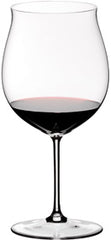
颜色
服务于:
16 - 18 °C
长寿:
10 -15年
醒酒时间:
1小时
- 创办年份: 1952
- 酿酒师: Giuliano Corino
- 生产的瓶子: 50.000
- 公顷: 9


| 名称 | Corino Barbera d'Alba Ciabot du Re 2022 |
|---|---|
| 类型 | 红葡萄酒 醇 |
| 葡萄酒名称 | Barbera d'Alba DOC |
| 年份 | 2022 |
| 容量 | 0,75 l |
| 酒精度 | 14.5% 按体积 |
| 葡萄品种 | 100% Barbera |
| 国家 | Italy |
| 产地 | 皮埃蒙特 |
| 供应商 | Corino Giovanni |
| 故事 | 历史与趣闻自1952年以来,科里诺家族一直在拉莫拉种植葡萄园,孕育出享有盛誉的巴贝拉·达尔巴DOC Ciabot du Re。2022年份充分展现了这片土地的精髓,葡萄藤深深扎根于粘土-石灰岩土壤中。酒庄内的精心酿造工艺包括十八个月的橡木桶陈酿,这是赋予葡萄酒复杂且优雅结构的关键。随后在不锈钢罐中的静置进一步完善了这款酒精度为14.5%的卓越静态红葡萄酒,带来层次丰富的口感,彰显了皮埃蒙特葡萄酒酿造的正宗传统。 |
| 产地 | 皮埃蒙特,拉莫拉 (CN) |
| 土壤成分 | 黏土-石灰质 |
| 每公顷产量 | 6000 kg |
| 发酵温度 | 25-30 °C |
| 发酵 | 5-7天 |
| 生产工艺 | 在控温旋转发酵罐中浸渍5-7天;进行苹果酸乳酸发酵,并在橡木桶中陈酿18个月;装瓶前在不锈钢罐中混合并静置。 |
| 酿酒工艺 | 在控温(25-30°C)旋转发酵罐中浸渍5-7天;榨汁后转入不锈钢罐沉淀酒渣;糖分发酵在不锈钢罐中完成,苹果酸乳酸发酵在橡木桶中进行(50%新桶,50%旧桶);在橡木桶中陈酿18个月,然后进行混合,并在不锈钢罐中静置3-4个月后装瓶。 |
| 陈酿 | 在橡木桶中18个月(50%为新桶,50%为旧桶),然后进行混合,并在不锈钢罐中静置3-4个月后装瓶。 |