


Castello della Sala (Antinori)
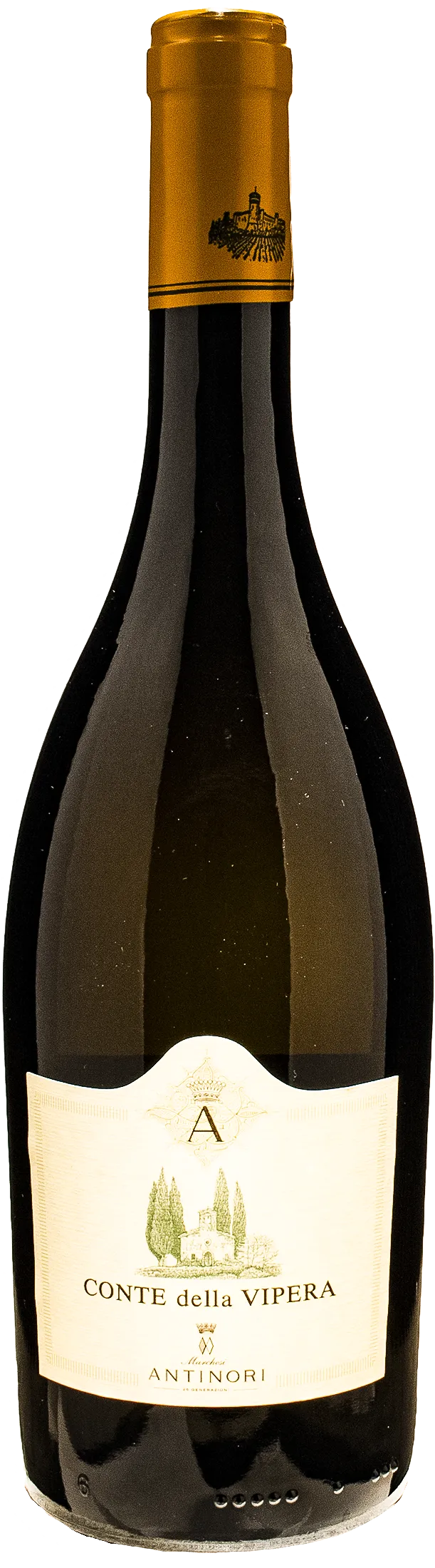
Conte della Vipera 2023
| 品名 | IGT Umbria |
|---|---|
| 酒瓶尺寸 | 0,75 l |
| 酒精度 | 12.0% 按體積 |
| 产区 | 翁布里亚 (Italy) |
| 葡萄品种 | Sauvignon, Semillon |
| 陈酿 | The harvest time for Sauvignon Blanc and Sémillon was chosen by seeking a balance between sugar concentration and maximum expression of the varietal aromas of the grapes. The bunches, harvested by hand, were immediately transferred to the cellar and cooled by passing them through a refrigerated conveyor which, by lowering the temperature before pressing, preserved the characteristic varietal aromas. After soft pressing, the musts, kept for a few hours at a temperature of 10 °C to allow natural clarification, were transferred to stainless steel tanks, where alcoholic fermentation took place at a temperature not exceeding 16 °C. Once this was completed, the wine was stored at a temperature of around 10 °C to prevent malolactic fermentation from taking place and to preserve its organoleptic characteristics. The two varieties were then blended so that one could 'complete' the other. |
| 其他年份: | 2022 , 2024 |
描述
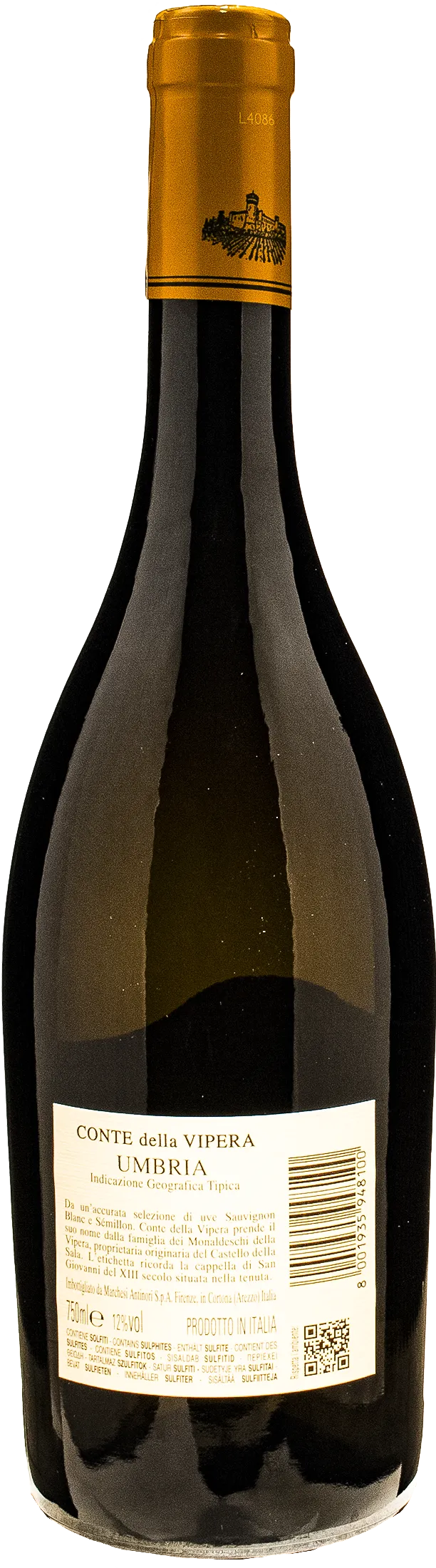
翁布里亞IGT級靜止白酒,酒精度12%,由卡斯楚·德拉·薩拉酒莊 安提諾裡家族 釀造。由長相思和賽美蓉混釀而成。 2023年份。這款酒產自翁布里亞,毗鄰托斯卡納,該地區以出產優質白葡萄酒而聞名。它帶有葡萄柚的柑橘香氣,與淡淡的香草和接骨木花香完美融合。酒體呈稻草黃色,泛著淡淡的綠色光澤。果香與細膩的礦物氣息和諧交融,餘韻悠長而濃鬱。
獎項
-
2023
 4
4指南侍酒師的意大利協會(FIS)的。十多年來這個葡萄酒指南是意大利最權威的葡萄酒指南之一。
-
2023
 90
90/100
《品醇客》(Decanter) 是一本葡萄酒與生活方式雜誌,每月在全球約90個國家出版。雜誌內容涵蓋行業新聞、經典指南以及針對葡萄酒與烈酒的專業建議。
-
2023
 95
95/100
此葡萄酒指南是意大利最權威的酒品指南之一。
-
2023
 90
90/100
Vinous 是由世界領先的葡萄酒鑑賞家之一安東尼·蓋洛尼 (Antonio Galloni) 創辦的線上指南。
-
2023
 91
91/100
葡萄酒鑑賞家是在互聯網上葡萄酒信息的最有影響力的來源。
詳細資訊
香水

顏色
味道
服務於:
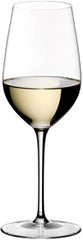
10 - 12 °C
長壽:
5 - 10年
- 創業年份: 1940
- 釀酒師: Massimiliano Pasquini
- 生產的瓶子: 866.586
- 公頃: 229
Castello della Sala 是一個非常適合生產白葡萄酒的地區,但有一個例外:黑皮諾在這片風土中找到了展現其最佳風格的理想條件。該地區的土壤特徵為黏土、鈣質土、富含化石貝殼,葡萄園能充分暴露於旭日之下,溫度範圍極佳。 閱讀更多


| 名称 | Castello della Sala Conte della Vipera 2023 |
|---|---|
| 类型 | 白葡萄酒 醇 |
| 葡萄酒名称 | Umbria IGT |
| 年份 | 2023 |
| 容量 | 0,75 l |
| 酒精度 | 12.0% 按體積 |
| 葡萄品种 | Sauvignon, Semillon |
| 国家 | Italy |
| 产地 | 翁布里亚 |
| 供应商 | Castello della Sala (Antinori) |
| 故事 | The vineyards for Conte della Vipera are situated at an altitude of 250 to 350 metres above sea level on soil rich in marine fossil sediments. The wine is named after the first owners of Castello della Sala and the label bears a drawing of the 13th-century St. John's Chapel located on the property. The first vintage of Conte della Vipera produced was 1997. |
| 产地 | Loc. Sala - Ficulle (TR) |
| 收获 | The harvest of Sauvignon Blanc began towards the end of August and ended with the harvest of Sémillon in mid-September. The grapes were healthy, ripe and characterised by excellent freshness and an excellent aromatic profile. |
| 发酵温度 | Max 16 °C |
| 陈酿 | The harvest time for Sauvignon Blanc and Sémillon was chosen by seeking a balance between sugar concentration and maximum expression of the varietal aromas of the grapes. The bunches, harvested by hand, were immediately transferred to the cellar and cooled by passing them through a refrigerated conveyor which, by lowering the temperature before pressing, preserved the characteristic varietal aromas. After soft pressing, the musts, kept for a few hours at a temperature of 10 °C to allow natural clarification, were transferred to stainless steel tanks, where alcoholic fermentation took place at a temperature not exceeding 16 °C. Once this was completed, the wine was stored at a temperature of around 10 °C to prevent malolactic fermentation from taking place and to preserve its organoleptic characteristics. The two varieties were then blended so that one could 'complete' the other. |