


La Vis
Nosiola Vigneti delle Dolomiti 2024
| Denomination | IGT Vigneti delle Dolomiti |
|---|---|
| Size | 0,75 l |
| Alcohol content | 12.0% by volume |
| Area | Trentino Alto Adige (Italy) |
| Grape varieties | 100% Nosiola |
| Aging | Aged on the lees for about 5–6 months before bottling |
- Grape variety and style: 100% Nosiola, dry white wine IGT from the Dolomites
- Aromas: notes of rose, jasmine, lychee and a characteristic hint of hazelnut
- Taste: fresh and enveloping flavour, balanced acidity, long and persistent finish
- Vinification: gentle pressing, fermentation in steel, ageing on the lees for 5–6 months
- Food pairing and serving: ideal with fish, asparagus and grilled vegetables; serving temperature 8–10 °C


Description
What kind of wine it is
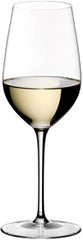
The Nosiola from Lavis is a dry white wine that faithfully reflects the character of the Dolomite Vineyards. Made from Nosiola grapes, a late-ripening native variety, it presents a straw yellow colour with light pastel green highlights. The floral bouquet is clear, dominated by rose and jasmine petals intertwined with notes of lychee and the typical hint of hazelnut. On the palate, it is fresh and full, supported by a fine and balanced acidity that leads the tasting towards a pleasant and persistent finish.
Where it comes from
The grapes are grown between the municipalities of Lavis, Pressano, Sorni and the lower Cembra Valley, in the heart of Trentino-Alto Adige. The vines grow on steep slopes facing south and south-west, benefiting from an Alpine-Mediterranean climate at around four hundred metres above sea level. The complexity of the glass derives from the marked geological variety: the marl soils of Pressano give distinct aromatic notes, while the silty and porphyritic soils ensure structure. Cultivated with the simple Trentino pergola, the plants draw full nourishment from this mountain terroir, offering a balanced profile.
How it is produced
The manual harvest takes place at the beginning of October to accommodate the slow ripening of the variety and preserve its integrity. In the cellar, a gentle pressing is carried out in an inert atmosphere, followed by static decantation of the musts. Fermentation at a controlled temperature in stainless steel tanks preserves the aromatic tension typical of the grape variety. Careful ageing on the lees for about six months gives the palate greater consistency. At the table, it enhances delicate starters and grilled vegetables, proving ideal for accompanying white meats or a tasty mussel risotto.
History and Curiosities
Since 1948, Cantina La-Vis has passionately enhanced the value of Nosiola, a rare native Trentino grape variety. Grown using the pergola system on the historic hills of Pressano and in the Cembra Valley, these grapes benefit from marl soils that impart incredible elegance to the wine. The manual harvest in October is combined with ecological practices that reduce the use of chemicals. The result is an authentic glass, where the unique aromaticity and structure best celebrate the fascinating terroir of the Dolomites.
Tasting notes

Perfume

Color

Taste
Serve at:
08 - 10 °C
Longevity:
03 - 05 years
- Start up year: 1948
- Oenologist: Ezio Dallagiacoma, Marco Sartori
- Bottles produced: 2.000.000
- Hectares: 400
The logo takes inspiration from a decorative element that has always been present in the company and bears a highly symbolic value: a wooden bas-relief celebrating the founding of the winery in 1948 which represents the coats of arms of the municipalities of Lavis, Giovo and Meano, the very first protagonists in the association’s establishment. A timeless brand of great strength that puts the Winery and its founding values at the centre: cooperation, history and the bond with the territory.
The Lavis wine-makers cooperative traces its origins to 1850, when the Cembran family built the initial core of the current production unit. It was officially formed in 1948 by 14 independent wine-makers and grew in the years that followed, due partly to acquisitions of other producers, including mergers with the Salorno Cooperative of South Tyrol in 1969 and Cantina Sociale di Cembra in 2003. Read more


| Name | La Vis Nosiola Vigneti delle Dolomiti 2024 |
|---|---|
| Type | White still |
| Denomination | Vigneti delle Dolomiti IGT |
| Vintage | 2024 |
| Size | 0,75 l |
| Alcohol content | 12.0% by volume |
| Grape varieties | 100% Nosiola |
| Country | Italy |
| Region | Trentino Alto Adige |
| Vendor | La Vis |
| Story | History and Curiosities Since 1948, Cantina La-Vis has passionately enhanced the value of Nosiola, a rare native Trentino grape variety. Grown using the pergola system on the historic hills of Pressano and in the Cembra Valley, these grapes benefit from marl soils that impart incredible elegance to the wine. The manual harvest in October is combined with ecological practices that reduce the use of chemicals. The result is an authentic glass, where the unique aromaticity and structure best celebrate the fascinating terroir of the Dolomites. |
| Origin | Lavis, Pressano, Sorni, lower Cembra Valley |
| Climate | Alpine-Mediterranean influence |
| Soil composition | Marly soils in Pressano; generally either of a silty nature, moderately deep and fertile, or of a loose porphyritic nature, shallow |
| Cultivation system | Simple Trentino pergola |
| Plants per hectare | 4500 |
| Harvest | Manual harvest in the first ten days of October |
| Production technique | Soft pressing in an inert atmosphere; static decantation of the musts; temperature-controlled fermentation in stainless steel tanks; ageing on the lees for about 5-6 months |
| Wine making | Manual harvesting in the first ten days of October; gentle pressing in an inert atmosphere; static settling of the musts; fermentation at controlled temperature in stainless steel tanks; ageing on the lees for about 5–6 months before bottling. |
| Aging | Aged on the lees for about 5–6 months before bottling |
| Allergens | Contains sulphites |