


San Giovenale
Rosso di San Giovenale
| Denomination | VdT |
|---|---|
| Size | 0,75 l |
| Alcohol content | 15.0% by volume |
| Area | Lazio (Italy) |
| Grape varieties | Carignano, Grenache, Syrah, Tempranillo |
| Aging | Aged for 20 months in new barriques |
- Wine and origin: Still red wine from Lazio, Blera, 0.75 l bottle
- Grape composition: Carignan, Grenache, Syrah and Tempranillo in balanced proportions
- Ageing: 20 months in new barriques to impart structure and refined tannins
- Tasting notes: Warm, lively and complex palate, with elegant tannins
- Pairings: Decant for one hour and serve at 16-18 °C with pork and mature cheeses
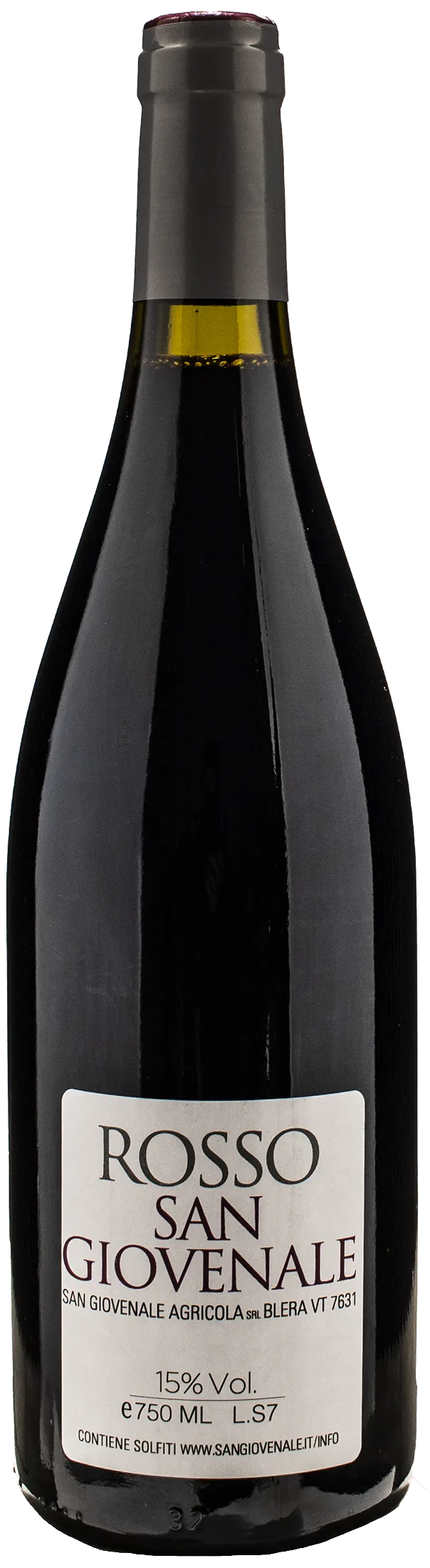
Description
What kind of wine it is
San Giovenale Rosso di San Giovenale is a still red wine from Lazio. Its organic blend of Carignano, Grenache, Syrah and Tempranillo offers a lively, warm and balanced sip. On the palate, it reveals remarkable complexity, supported by refined tannins. Its structured character is consolidated through twenty months of ageing in new barrels, defining a deep and long-lived profile.
Where it comes from
The grapes are grown in Blera, in the Tuscia area of Viterbo. The hillside vineyards, located at 380 metres above sea level with a south-eastern exposure, benefit from a sunny climate tempered by the sea breeze. The clay soils are fundamental in ensuring balance and a solid tannic structure. The estate cultivates ten hectares with bush-trained vines at a high planting density, limiting yields to 2,500 kg per hectare to concentrate the quality of the grapes.
How it is produced
Oenologist Marco Casolanetti works in an eco-sustainable winery. The viticulture employs certified organic methods, using pure spring water for irrigation. The prolonged ageing in new barrels enhances the wine's structure, supporting the evolution of the tannins. The result is a limited production, a genuine expression of the Lazio region.
History and Curiosities
Born in Blera in Tuscia, it embodies the excellence of Emanuele Pangrazi’s certified organic winery. The eco-sustainable company uses photovoltaic panels and spring water. Guided by oenologist Marco Casolanetti, the bush-trained vines grow on clay soils with a sea breeze. Awarded with Tre Bicchieri Gambero Rosso and Cinque Grappoli Bibenda, it is the result of a limited production of 9,000 bottles.
Tasting notes

Color

Taste
Serve at:
16 - 18 °C
Longevity:
10 - 15 years
Decanting time:
1 hour
- Oenologist: Marco Casolanetti
- Bottles produced: 9.000
- Hectares: 10
Attention to the environment is an essential value for San Giovenale, which works the vineyards with high-density planting criteria to obtain quality grapes. Spring water for irrigation and an eco-sustainable wine cellar with photovoltaic panels complete the commitment to sustainability. The result is wines of extraordinary structure and complexity, such as the excellent Habemus, an oenological homage to the lands of the Etruscans. Read more


| Name | San Giovenale Rosso di San Giovenale |
|---|---|
| Type | Red still |
| Denomination | VdT |
| Size | 0,75 l |
| Alcohol content | 15.0% by volume |
| Grape varieties | Carignano, Grenache, Syrah, Tempranillo |
| Country | Italy |
| Region | Lazio |
| Vendor | San Giovenale |
| Story | History and Curiosities Born in Blera in Tuscia, it embodies the excellence of Emanuele Pangrazi’s certified organic winery. The eco-sustainable company uses photovoltaic panels and spring water. Guided by oenologist Marco Casolanetti, the bush-trained vines grow on clay soils with a sea breeze. Awarded with Tre Bicchieri Gambero Rosso and Cinque Grappoli Bibenda, it is the result of a limited production of 9,000 bottles. |
| Origin | Blera (Viterbo) |
| Climate | Soleggiato con brezza marina |
| Soil composition | Sunny clay soils influenced by the sea breeze |
| Cultivation system | Alberello |
| Plants per hectare | 11,000 |
| Yield per hectare | 2.500 kg/ha |
| Production technique | Ageing for 20 months in new barriques |
| Wine making | Ageing for 20 months in new barriques. |
| Aging | Aged for 20 months in new barriques |
| Year production | 9000 bottles |
| Allergens | Contains sulphites |