


Ruggeri
Valdobbiadene Prosecco Superiore Quartese Brut
| Denomination | DOCG Conegliano Valdobbiadene Prosecco Spumante Superiore Brut |
|---|---|
| Size | 0,75 l |
| Alcohol content | 11.0% by volume |
| Area | Veneto (Italy) |
| Grape varieties | 100% Glera |
- Name and origin: Prosecco Superiore DOCG produced between Colle Umberto and Valdobbiadene
- Grapes and style: Made from 100% Glera grapes, Brut dry, fresh and delicate with a slight savouriness
- Aroma and taste: Notes of yellow apple, white peach, citrus fruits and acacia flowers; fruity finish
- Production: Vinified at 16°C and refermented using the Martinotti Method at 14–15°C
- Perlage and pairings: Fine bubbles, ideal as an aperitif, with vegan dishes and fish


Description
What kind of wine it is
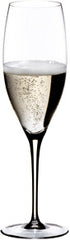
Ruggeri Quartese Valdobbiadene Prosecco Superiore Brut is a sparkling wine made from Glera grapes. This label expresses the soul of the Veneto region through a fresh and delicate style. In the glass, it displays a dense mousse with a fine and persistent perlage, which anticipates a fragrant aromatic profile. On the nose, clear notes of yellow apple, white-fleshed peach, citrus fruits and acacia flowers emerge. On the palate, it reveals itself as a well-balanced Brut, characterised by a pleasant acidity and a light savouriness.
Where it comes from
The grapes are grown in the Marca Trevigiana, on the slopes of the Dolomite foothills between Colle Umberto and Valdobbiadene. The vineyards are situated on well-drained and well-exposed soils, ideal conditions for regular ripening and for preserving natural freshness. The slopes of this hilly landscape give the wine a clean and linear expression. Belonging to this historic denomination ensures remarkable aromatic finesse and an extremely elegant texture.
How it is produced
The grapes are carefully hand-picked, selecting only the best bunches. The winery carries out a white vinification at a controlled temperature, excluding contact with the skins to maintain the delicacy of the aromas. Subsequently, the wine undergoes secondary fermentation in a pressurised tank following the Martinotti method. This second fermentation shapes a fruity profile and guarantees a fresh finish. The entire production process makes this sparkling wine a suitable choice for vegans.
History and Curiosities
Founded in 1950, but with roots dating back to the 19th century, the family-run winery Ruggeri produces the prestigious Quartese Valdobbiadene Prosecco Superiore DOCG Brut. A true ambassador of the Valdobbiadene region, this sparkling wine combines excellence and ethics, standing out as an organic, sustainable, and vegan product. The result of the dedication of five generations and the talent of oenologist Fabio Roversi, it boasts a gold medal at the Berliner Wein Trophy and 90 points from James Suckling and Decanter.
Awards
-
 4
4Italian Sommelier Foundation (FIS) guide This has been one of the most prestigious wine guides in Italy for over 10 years.
-
 90
90/100
Decanter is a wine and lifestyle magazine, published monthly in around 90 countries. The magazine includes industry news, classic guides and advice on wine and spirits.
-
 2
2One of the most prestigious wine guides in Italy.
Tasting notes

Perlage
Perfume

Color
Taste
Serve at:
06 - 08 °C
Longevity:
03 - 05 years
- Start up year: 1950
- Oenologist: Fabio Roversi
- Bottles produced: 1.700.000
- Hectares: 28
Ruggeri’s roots stretch far back to the nineteenth century, to Eliseo Bisol, who, along with his son Luigi was one of the first winemakers in Valdobbiadene. The business’s significant growth began in 1950 when Giustino Bisol founded the current winery with his cousin, and it was his surname, Ruggeri, that was chosen as the company name. The unswerving commitment to excellence continued with the work of Giustino’s son, Paolo, and granddaughter Isabella.
Since 2017, Ruggeri has been part of the Rotkäppchen-Mumm Group, a highly fruitful partnership which has paired our shared visions, trust in common values and a mutual commitment to ever higher quality standards. Read more


| Name | Ruggeri Valdobbiadene Prosecco Superiore Quartese Brut |
|---|---|
| Type | White green charmat method sparkling wine brut |
| Denomination | Conegliano Valdobbiadene Prosecco DOCG |
| Size | 0,75 l |
| Alcohol content | 11.0% by volume |
| Grape varieties | 100% Glera |
| Country | Italy |
| Region | Veneto |
| Vendor | Ruggeri |
| Story | History and Curiosities Founded in 1950, but with roots dating back to the 19th century, the family-run winery Ruggeri produces the prestigious Quartese Valdobbiadene Prosecco Superiore DOCG Brut. A true ambassador of the Valdobbiadene region, this sparkling wine combines excellence and ethics, standing out as an organic, sustainable, and vegan product. The result of the dedication of five generations and the talent of oenologist Fabio Roversi, it boasts a gold medal at the Berliner Wein Trophy and 90 points from James Suckling and Decanter. |
| Origin | Colline di Valdobbiadene - Conegliano, nell’area DOCG tra Colle Umberto e Valdobbiadene (Marca Trevigiana settentrionale) |
| Soil composition | Suoli drenati e ben esposti |
| Harvest | September |
| Fermentation temperature | 16 °C (fermentation); 14–15 °C (refermentation/sparkling formation) |
| Production technique | Charmat method (Martinotti), second fermentation in an autoclave; white vinification at a controlled temperature |
| Wine making | Vinification in white, that is, without the skins, at a controlled temperature of 16°C; secondary fermentation to produce the sparkle takes place through slow refermentation in large closed vessels (Martinotti/Charmat method) at 14–15°C. |
| Residual sugar | 9.0 gr/L |
| Allergens | Contains sulphites |