


Bottega
Rose Gold Pinot Nero Brut
| Denomination | VSQ |
|---|---|
| Size | 0,75 l |
| Alcohol content | 11.5% by volume |
| Area | Lombardy (Italy) |
| Grape varieties | 100% Pinot Nero |
| Aging | The base wine undergoes a second fermentation using the Martinotti method, at a controlled temperature of 14°C with the addition of selected yeasts. The wine is then left to rest on the lees for complete maturation. Finally, the wine is filtered, bottled, and allowed to rest in the bottle before being released onto the market, so that the various components can regain their balance. |
- Grape variety and style: Brut rosé sparkling wine made exclusively from Pinot Noir, 2024 harvest
- Production method: Cold maceration for 24 hours and refermentation using the Martinotti Method
- Aromatic profile: Floral notes and red fruits such as currants and wild strawberries
- Taste and perlage: Freshness and smoothness on the palate, balanced structure and fine, long-lasting perlage
- Serving and pairings: Temperature 4–8 °C, tulip glass; ideal with sushi, seafood dishes and fresh cheeses


Description
What kind of wine is it
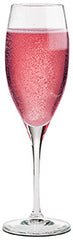
Bottega Rose Gold Brut is a sparkling rosé wine that expresses all the elegance of Pinot Noir. In the glass, it displays a pale, bright pink colour, enlivened by a fine and persistent perlage. The aromatic profile opens with delicate floral sensations, intertwined with clear notes of small red fruits such as currants and wild strawberries. On the palate, it is fresh and velvety, with a structure capable of balancing body with a well-balanced acidity, offering a pleasant and lingering finish.
Where does it come from
The grapes come from hilly areas located in the south of Lombardy, on the right bank of the River Po. In this region, the temperate climate, characterised by marked temperature variations and breezy summers, creates the optimal conditions to preserve aromatic freshness. The vineyards are rooted in sedimentary marl soils, composed equally of limestone and fine clays, ensuring the wine has great clarity of flavour. The vines are trained using the spurred cordon and Guyot methods, with a density of four thousand five hundred plants per hectare.
How is it produced
The manual harvest takes place between the end of August and the beginning of September. The destemmed grapes undergo a cold maceration at five degrees for twenty-four hours, essential for extracting colour and primary aromas. After gentle pressing, the rosé must ferments at eighteen degrees. The secondary fermentation takes place using the Charmat method at fourteen degrees with selected yeasts. The process ends with careful ageing on the lees, which gives the wine greater complexity before filtration and resting in the bottle.
History and Curiosities
Created by the renowned winery founded in 1977, Bottega Rose Gold Brut transforms the finest Pinot Noir grapes from southern Lombardy into pure elegance. The meticulous cold maceration and the sparkling process using the Martinotti Method enhance its fresh floral notes. Awarded 91 points by Decanter and a gold medal at Mundus Vini, the project by oenologist Fabrizio Dorigo combines high quality with sustainable practices, using recycled materials for its iconic and radiant metallic bottle.
Tasting notes

Perlage

Perfume

Color

Taste
Serve at:
06 - 08 °C
Longevity:
03 - 05 years
- Start up year: 1977
- Oenologist: Fabrizio Dorigo
Bottega products are made with unique ingredients, craftsmanship and reflect the company's constant dedication to quality and sustainability.
Bottega's commitment to sustainability is also paramount: they recycle siliconised paper, use at least 85% recycled glass dark bottles, choose water-based paints for metallised bottles, follow organic farming criteria in their vineyards, and incorporate recycled ocean plastics. In addition, the company uses only 100% renewable energy. Read more


| Name | Rose Gold Pinot Nero Brut |
|---|---|
| Type | Rosé green charmat method sparkling wine brut |
| Denomination | VSQ |
| Size | 0,75 l |
| Alcohol content | 11.5% by volume |
| Grape varieties | 100% Pinot Nero |
| Country | Italy |
| Region | Lombardy |
| Vendor | Bottega |
| Story | History and Curiosities Created by the renowned winery founded in 1977, Bottega Rose Gold Brut transforms the finest Pinot Noir grapes from southern Lombardy into pure elegance. The meticulous cold maceration and the sparkling process using the Martinotti Method enhance its fresh floral notes. Awarded 91 points by Decanter and a gold medal at Mundus Vini, the project by oenologist Fabrizio Dorigo combines high quality with sustainable practices, using recycled materials for its iconic and radiant metallic bottle. |
| Origin | On the right bank of the Po, south of Lombardy |
| Climate | Temperate, with significant temperature variations, dry in winter and breezy in summer |
| Soil composition | Sedimentary marl composed in equal amounts of limestone and fine clays |
| Cultivation system | Spurred cordon, Guyot |
| Plants per hectare | 4500 |
| Yield per hectare | 70 - 80 quintals per hectare |
| Harvest | Late August - early September |
| Fermentation temperature | 18 °C |
| Production technique | Martinotti method (Charmat) |
| Wine making | The grapes are harvested manually and, after destemming, the must is left in contact with the skins for 24 hours at 5 °C; the rosé must is then separated from the skins via soft pressing and ferments at a controlled temperature of 18 °C. The second fermentation takes place according to the Martinotti (Charmat) method at 14 °C with selected yeasts; ageing on the lees, then filtration, bottling and resting in the bottle prior to commercialisation. |
| Aging | The base wine undergoes a second fermentation using the Martinotti method, at a controlled temperature of 14°C with the addition of selected yeasts. The wine is then left to rest on the lees for complete maturation. Finally, the wine is filtered, bottled, and allowed to rest in the bottle before being released onto the market, so that the various components can regain their balance. |
| Allergens | Contains sulphites |