


Prunotto
Barbaresco 2023
Other years:
2019| Denomination | DOCG Barbaresco |
|---|---|
| Size | 0,75 l |
| Alcohol content | 14.0% by volume |
| Area | Piedmont (Italy) |
| Grape varieties | 100% Nebbiolo |
| Aging | About 1 year in oak barrels of varying capacity, followed by further ageing in the bottle |
| Other years | 2019 |
- Origin: Barbaresco DOCG, 100% Nebbiolo from the Langhe
- Vintage and format: Harvest 2023, 0.75 litre bottle, alcohol content 14%
- Vinification: 15 days maceration at 30°C and malolactic fermentation before winter
- Ageing: Around one year in oak barrels followed by resting in the bottle
- Profile: Garnet with notes of fruit and spices; ideal with meats and mature cheeses
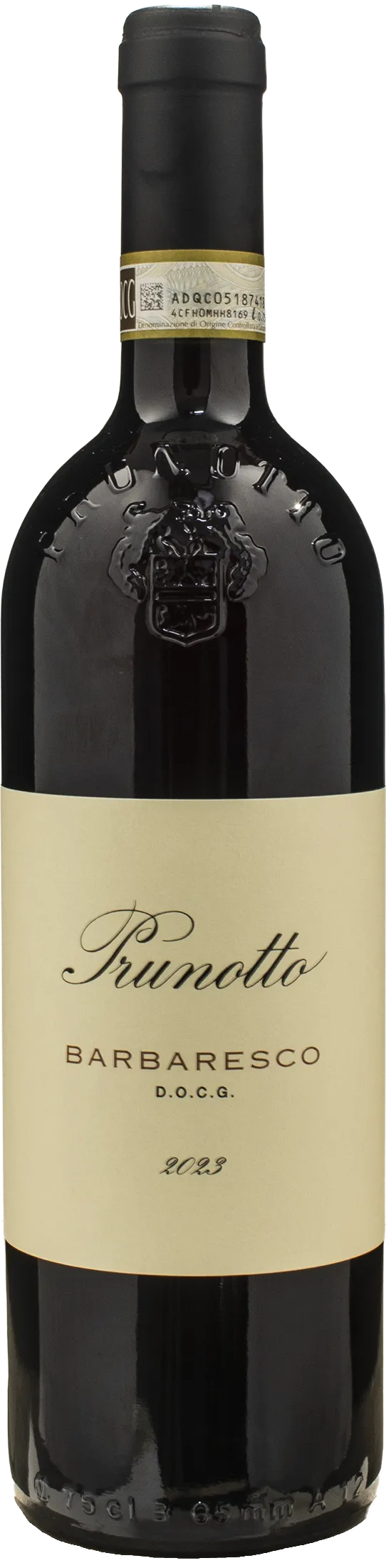
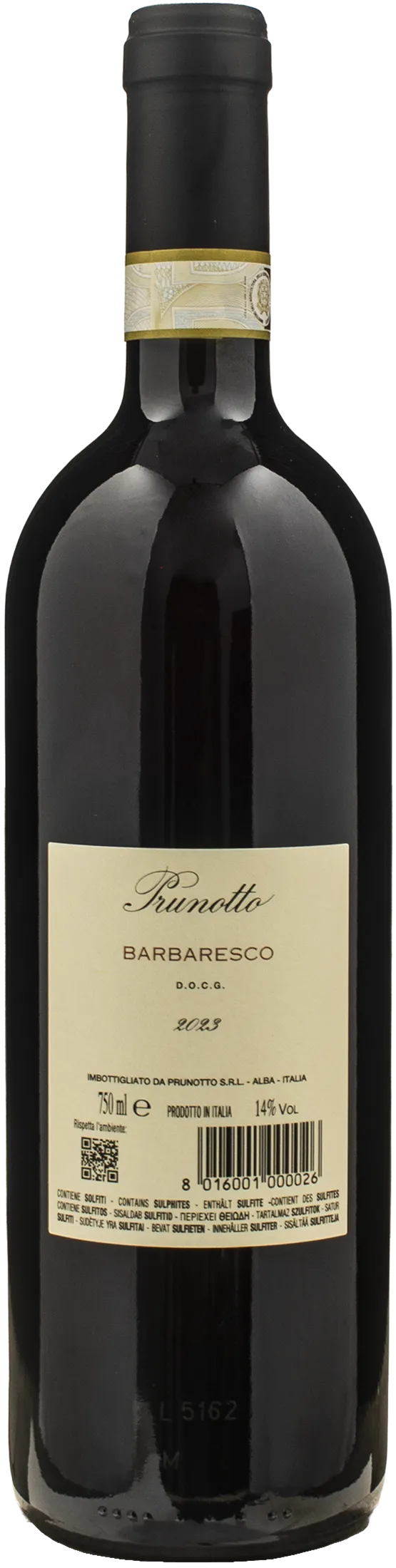
Description
What kind of wine it is
Prunotto's Barbaresco is a still red wine that embodies the essence of Piedmont, made from Nebbiolo grapes grown in the Alba area, in the heart of the Langhe. This prestigious denomination presents itself with an intense garnet red colour. On the nose, it reveals a complex aromatic bouquet, enriched with hints of red fruit, wild berries and violet, accompanied by elegant spicy notes of liquorice, cinnamon and cloves. On the palate, it offers a full and velvety taste, supported by enveloping tannins that lead to a long and persistent finish with echoes of ripe fruit.
Where it comes from
This red originates from an area of excellence, among the hills of the Langhe and Roero. The vines sink their roots into the fossil marls of Sant’Agata, silty formations rich in minerals such as manganese, zinc and boron, which give the wine an important structure. Prunotto masterfully interprets the grapes, enhancing the characteristics of the Alba area, offering an expression that faithfully reflects the character of this prestigious terroir.
How it is produced
The production process begins with a meticulous selection of the bunches, followed by destemming and crushing. The maceration on the skins lasts for about fifteen days at a controlled temperature. Malolactic fermentation is completed before winter to soften the tannic texture, followed by about a year of ageing in oak barrels and a further period of rest in the bottle. This red of great structure is ideal for accompanying red meats, game and mature cheeses, expressing its full potential if decanted for about an hour before serving.
History and Curiosities
Founded in Alba in 1904, the Prunotto winery embodies the essence of the Langhe through its prestigious Barbaresco DOCG 2023. The exclusive Nebbiolo grapes derive their unmistakable identity from the fossil marls of Sant’Agata, soils rich in manganese, zinc and boron. Thanks to a year of ageing in oak barrels of various sizes and a subsequent period of rest in the bottle, the wine develops a velvety and complex elegance. Created under the expert guidance of oenologist Gianluca Torrengo, this Piedmontese red has received a score of 92/100 from James Suckling.
Awards
-
2023
 92
92/100
James Suckling is an influential American wine critic and journalist who worked at Wine Spectator for 30 years. He left the magazine in 2010 to start his own website and guidebook (JamesSuckling.com). He specialises in Italian and Bordeaux wines.
Tasting notes

Perfume

Color

Taste
Serve at:
16 - 18 °C
Longevity:
10 - 15 years
Decanting time:
1 hour

- Start up year: 1904
- Oenologist: Gianluca Torrengo
- Bottles produced: 1.116.400
- Hectares: 70
The Antinori family, charmed by such rich natural beauty, unique vineyards and soils, decided to invest time and energy in this terroir confident that their efforts would make Prunotto what it is today, one of the most important winemaking estates in the Piedmont region. Read more


| Name | Prunotto Barbaresco 2023 |
|---|---|
| Type | Red still |
| Denomination | Barbaresco DOCG |
| Vintage | 2023 |
| Size | 0,75 l |
| Alcohol content | 14.0% by volume |
| Grape varieties | 100% Nebbiolo |
| Country | Italy |
| Region | Piedmont |
| Vendor | Prunotto |
| Story | History and Curiosities Founded in Alba in 1904, the Prunotto winery embodies the essence of the Langhe through its prestigious Barbaresco DOCG 2023. The exclusive Nebbiolo grapes derive their unmistakable identity from the fossil marls of Sant’Agata, soils rich in manganese, zinc and boron. Thanks to a year of ageing in oak barrels of various sizes and a subsequent period of rest in the bottle, the wine develops a velvety and complex elegance. Created under the expert guidance of oenologist Gianluca Torrengo, this Piedmontese red has received a score of 92/100 from James Suckling. |
| Origin | Langhe (Alba, province of Cuneo), Piedmont, Italy |
| Soil composition | Fossil marls of Sant’Agata (silty marls) from the Tortonian-Messinian period, rich in manganese, zinc and boron |
| Fermentation temperature | 30 °C |
| Fermentation | Approximately 15 days |
| Production technique | Destemming and crushing of the grapes, maceration for about 15 days (maximum temperature 30 °C), malolactic fermentation completed before the end of winter, ageing for about 1 year in oak barrels of varying capacities. |
| Wine making | The selected grapes were destemmed and crushed. Maceration lasted about 15 days at a maximum temperature of 30°C. Malolactic fermentation was completed before the end of winter. The wine was aged for about 1 year in oak barrels of varying capacities. |
| Aging | About 1 year in oak barrels of varying capacity, followed by further ageing in the bottle |
| Year production | 1116400 bottles |
| Allergens | Contains sulphites |