


Philipponnat
Champagne Reserve Rosé Brut
| Denomination | AOC Champagne Rosè Brut |
|---|---|
| Size | 0,75 l |
| Alcohol content | 12.5% by volume |
| Area | Champagne region (France) |
| Grape varieties | 69% Pinot Nero, 29% Chardonnay, 2% Pinot Meunier |
| Aging | Approximately 3 years on the lees, much longer than the legal minimum of 15 months; 3 months' rest after disgorgement before shipping. Disgorgement date on the back label. |
- Blend: 69% Pinot Noir, 29% Chardonnay, 2% Pinot Meunier; 0.75 L bottle
- Ageing: traditional method, 3 years on the lees and 3 months after disgorgement
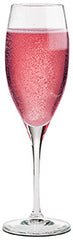
- Colour: pale pink with salmon reflections, which can develop coppery hues
- Aromas: notes of strawberry, cherry, pink grapefruit, toasted bread and chalk
- Serving: at 6-8 °C, ideal as an aperitif, with smoked fish and shellfish


Description
What kind of wine is it
Philipponnat Champagne Reserve Rosé Brut is a Rosé Brut Champagne of great structure, created from a blend of Pinot Noir, Chardonnay and Pinot Meunier. Produced using the Traditional Method, it reveals a delicate and creamy mousse. The bouquet expresses wild strawberry and cherry, intertwined with notes of pink grapefruit, orange blossom honey, toasted bread and a pronounced chalky mineral vein. The palate is full and lively, supported by vibrant acidity and a slight astringency that enhances the clear fruity notes.
Where does it come from
The wine originates in Mareuil-sur-Aÿ, in the historic Champagne region. The grapes come from Premier Cru and Grand Cru plots, ensuring a clear viticultural balance between freshness and body. The profile of this sparkling wine combines the bold character of Pinot Noir with the mineral backbone of Chardonnay. In the glass, it displays a light pink hue with subtle salmon reflections, a shade that can naturally evolve over time into complex copper nuances.
How is it produced
The production follows minimal intervention practices. Malolactic fermentation is systematic, except for a portion aged in wooden barrels. The rosé colour comes from a fraction of Pinot Noir extracted from free-run juice and macerated on the skins, then blended. The Brut dosage includes reserve wines matured in wood. The secondary fermentation takes place using the Traditional Method, requiring ageing on the lees for about three years, followed by three months of rest after disgorgement to stabilise the wine.
History and Curiosities
With roots in Champagne dating back to 1522, the family crest on the bottle seals a centuries-old tradition. This prestigious Champagne Rosé Brut is crafted from selected grapes sourced from Premier and Grand Cru vineyards. Its elegance develops through the rigorous traditional method, with maturation on the lees for around three years, well beyond the legal minimum, followed by a three-month rest after disgorgement, the date of which is indicated on the back label. The excellent scores from Wine Spectator and Bettane & Desseauve attest to the undisputed quality of the Maison.
Awards
-
 90
90/100
Wine spectator is the most influential wine guide on the internet.
Tasting notes
Perlage

Perfume

Color

Taste
Serve at:
06 - 08 °C
Longevity:
05 - 10 years
- Start up year: 1522
- Bottles produced: 600.000
- Hectares: 20
In 1696, Apvril’s descendants, who were often ‘Royal Mayors’ of Ay, registered the family coat of arms in the Armorial de France. Today, this same coat of arms adorns all the House’s bottles. The labels of Philipponnat, vineyard owners and wine merchants, were among the first to bear the signature of sparkling Champagnes as early as the mid-19th century. Read more


| Name | Philipponnat Champagne Reserve Rosè Brut |
|---|---|
| Type | Rosé classic method sparkling wine brut |
| Denomination | Champagne AOC |
| Size | 0,75 l |
| Alcohol content | 12.5% by volume |
| Grape varieties | 69% Pinot Nero, 29% Chardonnay, 2% Pinot Meunier |
| Country | France |
| Region | Champagne region |
| Vendor | Philipponnat |
| Story | History and Curiosities With roots in Champagne dating back to 1522, the family crest on the bottle seals a centuries-old tradition. This prestigious Champagne Rosé Brut is crafted from selected grapes sourced from Premier and Grand Cru vineyards. Its elegance develops through the rigorous traditional method, with maturation on the lees for around three years, well beyond the legal minimum, followed by a three-month rest after disgorgement, the date of which is indicated on the back label. The excellent scores from Wine Spectator and Bettane & Desseauve attest to the undisputed quality of the Maison. |
| Origin | Mareuil-sur-Aÿ, Champagne, France |
| Fermentation | 12–14 days |
| Production technique | Traditional method |
| Wine making | Malolactic fermentation is systematically sought, except for a fraction fermented in wooden barrels; the red Pinot Noir is obtained from free-run must, macerated for 12–14 days, and used in small proportions to impart the rosé colour; low dosage; traditional winemaking with minimal intervention; aged on the lees for about 3 years and rested for 3 months after disgorgement before shipping. |
| Aging | Approximately 3 years on the lees, much longer than the legal minimum of 15 months; 3 months' rest after disgorgement before shipping. Disgorgement date on the back label. |
| Allergens | Contains sulphites |