


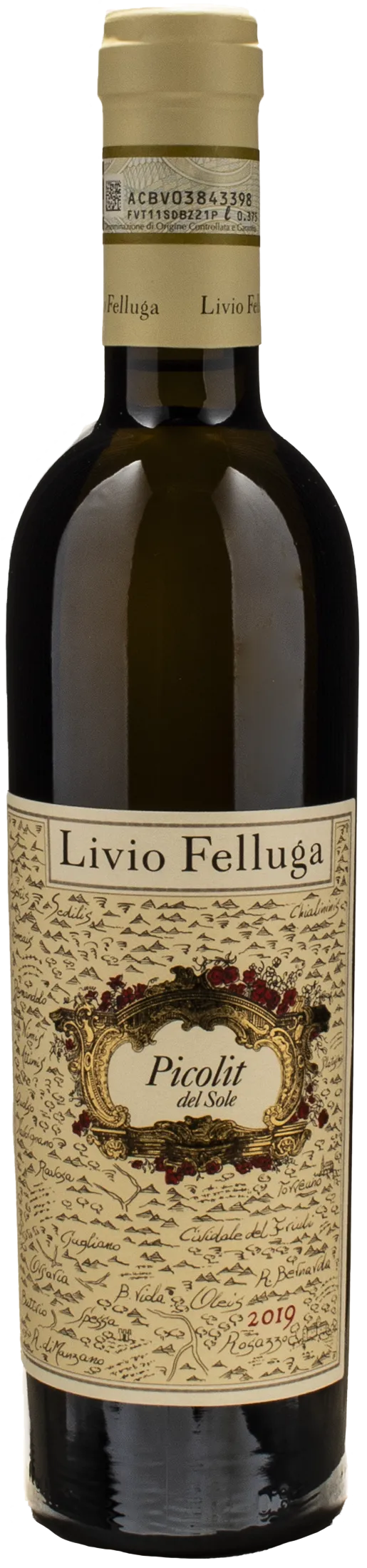
Livio Felluga
Picolit 0.375L 2019
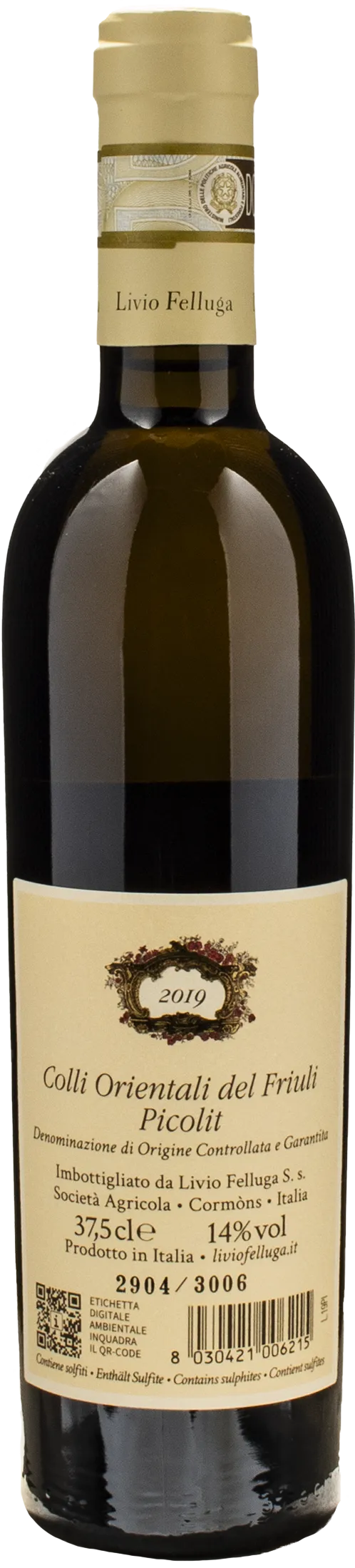
| Denomination | DOCG Colli Orientali del Friuli Picolit |
|---|---|
| Size | 0,375 l |
| Alcohol content | 14.0% by volume |
| Area | Friuli-Venezia Giulia (Italy) |
| Grape varieties | 100% Picolit |
| Aging | After fermentation, the wine is kept on the lees for several months; once bottled, it rests in temperature-controlled rooms for maturation. |
- Name: Colli Orientali del Friuli Picolit DOCG, 100% Picolit
- Colour and aromas: antique gold; spring flowers, candied peel, vanilla
- Taste: sweetness and acidity in balance; apricot, acacia honey, sweet spices
- Vinification: brief maceration; fermentation in small French oak barrels
- Key data: 14% vol; 0.375 L format; meditation wine, serve at 10–12 °C
Description
What kind of wine it is
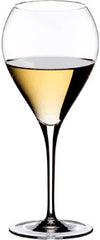
Picolit by Livio Felluga is a sweet wine that reveals itself in the glass with an intense antique gold hue. This Friulian expression offers a profound tasting experience, characterised by an impeccable balance between sugary richness and vibrant acidity. Ageing on the lees gives the wine a creamy texture and pronounced savouriness, completing a complex and satisfying structure. On the nose, it opens with a broad bouquet, featuring elegant aromas of spring flowers, candied peel, vanilla and sweet spices, confirming itself as a meditation wine of great charm and persistence.
Where it comes from
This passito is born in the Colli Orientali del Friuli, a territory historically dedicated to excellent viticulture. The history of the Picolit grape variety has ancient roots, documented since the eighteenth century, when it was already regularly appreciated by European nobility. The secret of its style lies in the physiology of the plant, subject to a natural phenomenon of partial floral fertilisation. This agronomic peculiarity drastically reduces fruit development, leaving very few berries on each bunch. The result is a marked aromatic concentration, capable of offering the palate a dense and persistent fruitiness.
How it is produced
Production begins with a rigorous manual harvest, selecting only bunches that have reached perfect ripeness. In the winery, after gentle destemming, the fruit undergoes a brief maceration in contact with the skins, followed by soft pressing and must decantation. Fermentation takes place at a controlled temperature in small French oak barrels, maintaining great aromatic precision. Before completing its evolution in the bottle, the wine rests for a long time on its own lees, a crucial step to enrich its flavour profile and complexity.
History and Curiosities
Considered the noblest wine of Friuli, Livio Felluga Picolit boasts ancient and fascinating origins, documented as far back as 1750. The uniqueness of this grape variety lies in the partial fertilisation of its flowers, a natural phenomenon that results in very few berries per bunch, ensuring an extremely high concentration of aroma. Historically cherished by the great European nobility, this exclusive meditation wine offers the palate a harmonious balance between sweet and fresh sensations. It is a masterpiece of the Colli Orientali del Friuli.
Tasting notes
Perfume

Color
Taste
Serve at:
10 - 12 °C
Longevity:
10 - 15 years
- Start up year: 1956
- Oenologist: Viorel Flocea
- Bottles produced: 800.000
- Hectares: 187


| Name | Livio Felluga Picolit 0.375L 2019 |
|---|---|
| Type | White dessert wine dessert wine |
| Denomination | Colli Orientali del Friuli Picolit DOCG |
| Vintage | 2019 |
| Size | 0,375 l |
| Alcohol content | 14.0% by volume |
| Grape varieties | 100% Picolit |
| Country | Italy |
| Region | Friuli-Venezia Giulia |
| Vendor | Livio Felluga |
| Story | History and Curiosities Considered the noblest wine of Friuli, Livio Felluga Picolit boasts ancient and fascinating origins, documented as far back as 1750. The uniqueness of this grape variety lies in the partial fertilisation of its flowers, a natural phenomenon that results in very few berries per bunch, ensuring an extremely high concentration of aroma. Historically cherished by the great European nobility, this exclusive meditation wine offers the palate a harmonious balance between sweet and fresh sensations. It is a masterpiece of the Colli Orientali del Friuli. |
| Origin | Colli Orientali del Friuli, Friuli-Venezia Giulia, Italia |
| Cultivation system | Cappuccina |
| Production technique | Short maceration, temperature-controlled fermentation in small French oak barrels and ageing on the lees |
| Wine making | Grapes are gently destemmed and left to macerate for a short period, then softly pressed; the resulting must is clarified by decantation. This is followed by fermentation at a controlled temperature in small French oak barrels. |
| Aging | After fermentation, the wine is kept on the lees for several months; once bottled, it rests in temperature-controlled rooms for maturation. |
| Allergens | Contains sulphites |