Cantine Leonardo da Vinci
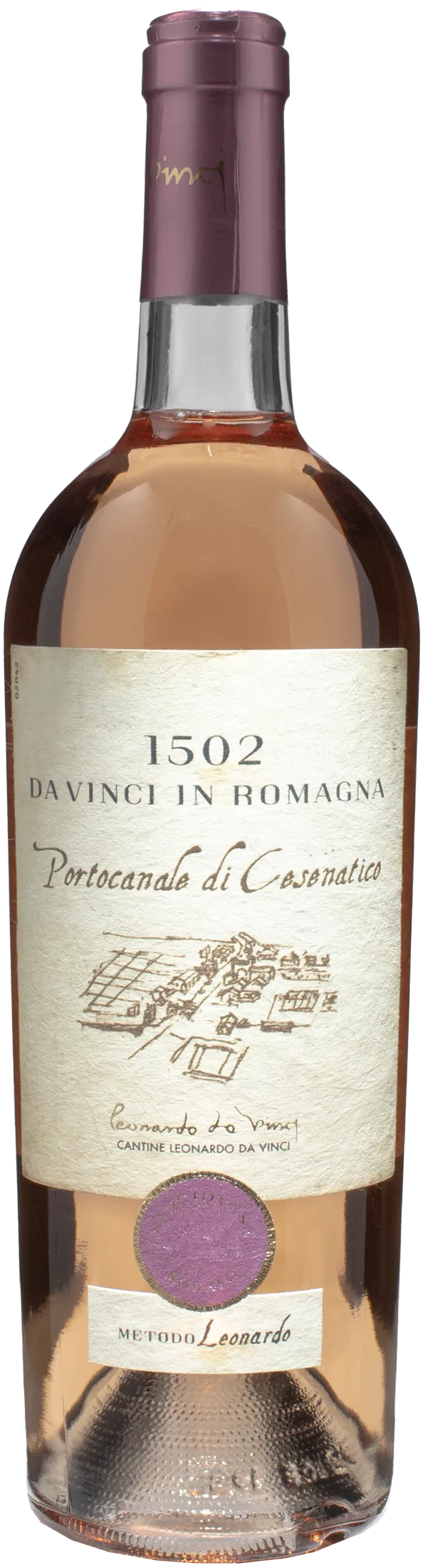
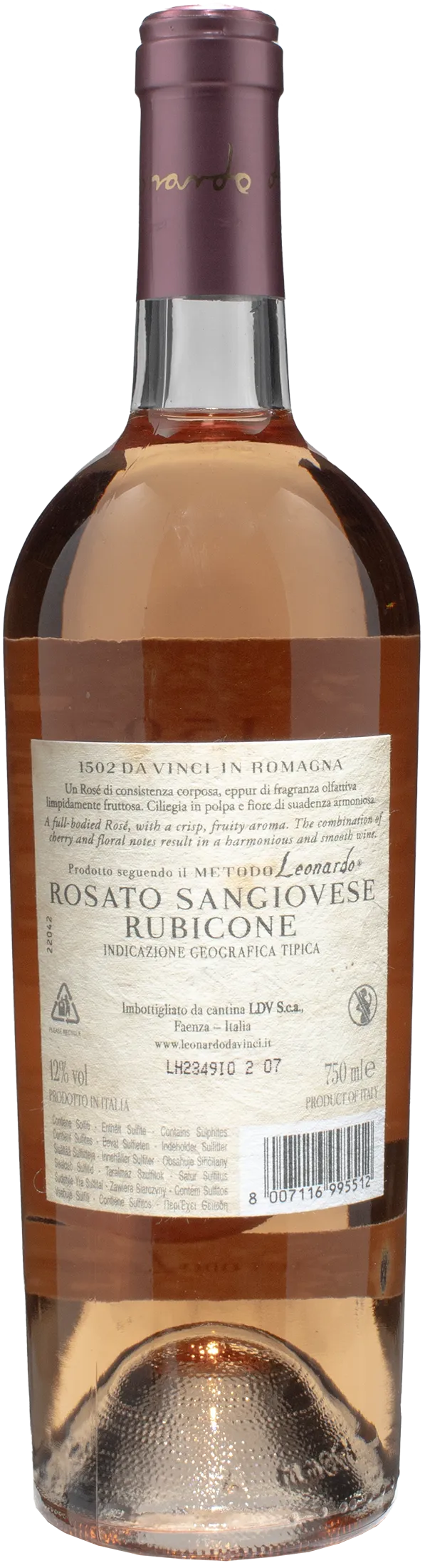
1502 Sangiovese Portocanale Cesenatico Rosato 2022
| Denomination | Rubicone IGT |
|---|---|
| Size | 0,75 l |
| Alcohol content | 12.0% by volume |
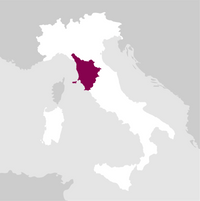
| Area | Emilia-Romagna (Italy) |
| Grape varieties | 100% Sangiovese |
| Aging | Batonnage for 2 months on fine lees. |
| Year | 2022 |
| Product name | 1502 Sangiovese Portocanale Cesenatico Rosato 2022 |
| Color | Appearance: a pleasant, delicate pink colour. |
| Perfume | A marked floral note perfectly introduces hints of white peach and apricot. |
| Taste | Pleasantly fresh and delicate on the palate, in perfect harmony with the fruity olfactory sensations, it is crisp and savoury. |
| Pairings | Seafood crudités. |
| Region | Emilia-Romagna |
| Country | Italy |
Description
Still rosé from Emilia-Romagna, Rubicone IGT, 12% ABV, produced by Cantine Leonardo da Vinci. 1502 Sangiovese Portocanale Cesenatico Rosato, 2022 vintage. A rosé that celebrates the connection with the territory and the history of Leonardo da Vinci, a tribute to the genius and winemaking tradition of Romagna. Soft pressing to extract color, followed by cold vinification in stainless steel at a maximum of 13°C with selected yeasts. Aged with batonnage for 2 months on fine lees. A pronounced floral note perfectly introduces hints of white peach and apricot. Pleasantly fresh and delicate on the palate, in perfect harmony with the fruity aromas, it is crisp and savory.
Details

Perfume

Color

Taste
Serve at:
10 - 12 °C.
Longevity:
05 - 10 years
Pairings
- Start up year: 1961
- Oenologist: Riccardo Pucci
- Bottles produced: 5.000.000
- Hectares: 750
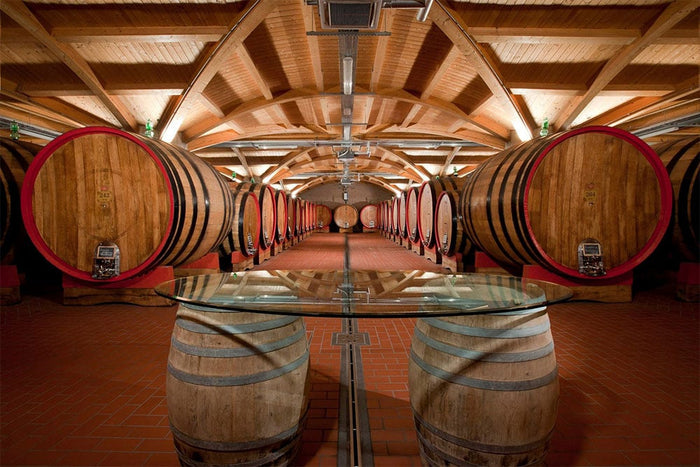
The original headquarters, restructured and enlarged, are still the operative centre today. The winery is situated in the borough of Vinci, just 5 kilometres from the birthplace of the world famous artist and inventor Leonardo.
The co-operative takes its name from the great man, paying homage to the mind of the man who was universally recognised as a genius and to emphasise its deep-rooted bond with the territory, the same bond which Leonardo felt and whose surname is specifically associated with the village where he was born on 15 April 1452.
Today, Cantine Leonardo da Vinci is a pioneering co-operative, innovative and modern, which relies on the work and grape production of its 160 members. Read more
| Name | Leonardo da Vinci 1502 Sangiovese Portocanale Cesenatico Rosato 2022 |
|---|---|
| Type | Rosé still |
| Denomination | Rubicone IGT |
| Vintage | 2022 |
| Size | 0,75 l |
| Alcohol content | 12.0% by volume |
| Grape varieties | 100% Sangiovese |
| Country | Italy |
| Region | Emilia-Romagna |
| Vendor | Cantine Leonardo da Vinci |
| Origin | Castrocaro Terme, Predappio, Bertinoro |
| Climate | Altitude: 50 00 m. a.s.l. |
| Soil composition | Silty clayey at the foot of the hill, slightly skeletal as it approaches the Apennines. |
| Cultivation system | Spurred cordon. |
| Harvest | Early, mid-September. |
| Fermentation temperature | Maximum 13 °C. |
| Wine making | Soft pressing for colour extraction followed by cold vinification in stainless steel at a maximum of 13 °C with selected yeasts. |
| Aging | Batonnage for 2 months on fine lees. |
| Allergens | Contains sulphites |