


Elena Walch
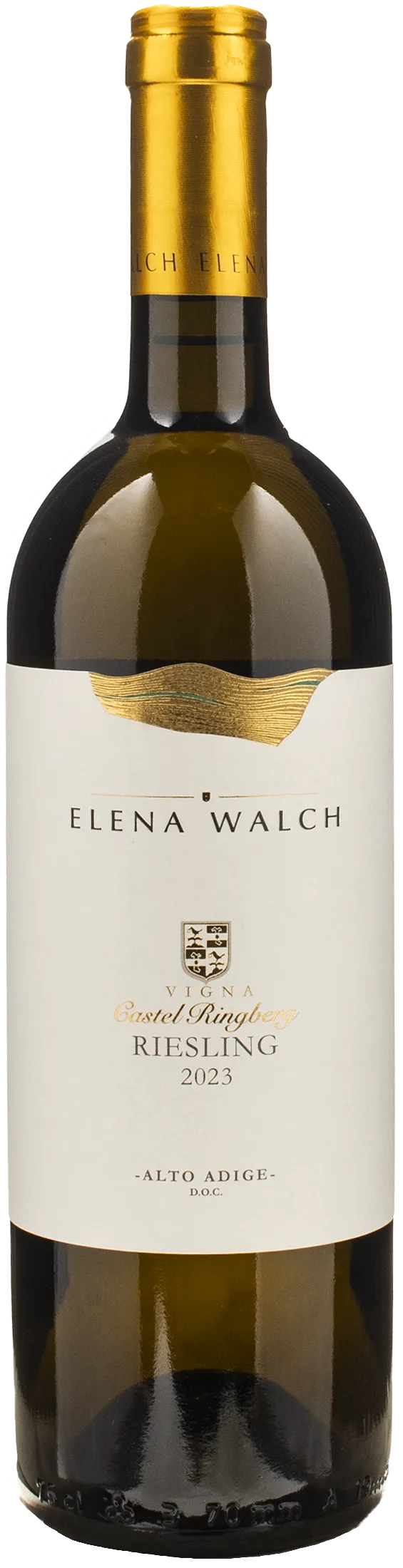
Alto Adige Riesling Vigna Castel Ringberg 2023
| Denomination | DOC Alto Adige Riesling |
|---|---|
| Size | 0,75 l |
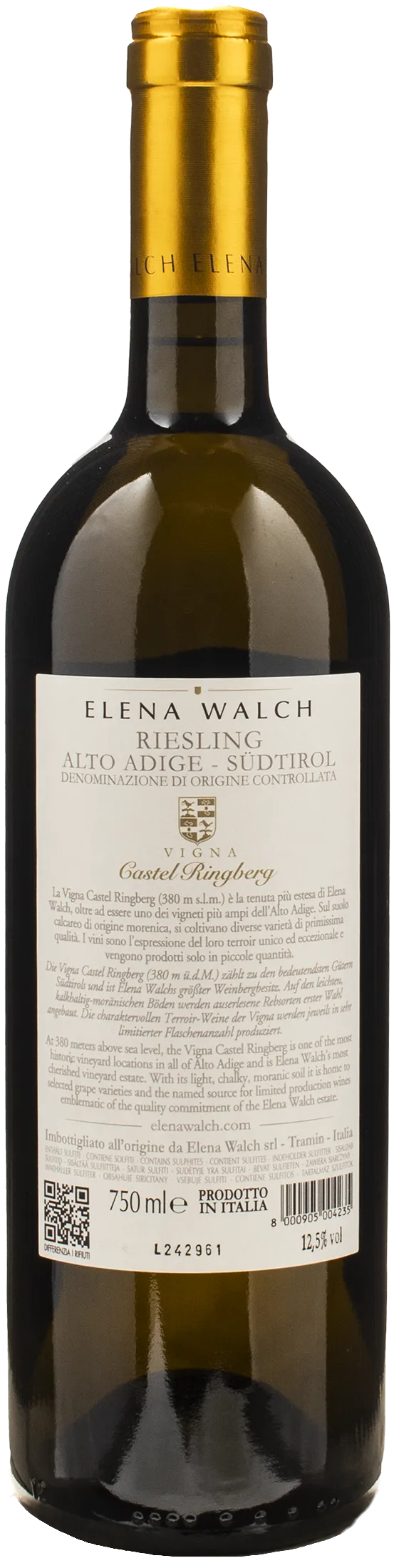
| Alcohol content | 12.5% by volume |
| Area | Trentino Alto Adige (Italy) |
| Grape varieties | 100% Riesling |
| Aging | Extended contact on the lees after fermentation in stainless steel tanks until bottling. |
- Grape variety and alcohol content: 100% Riesling, Alto Adige DOC designation, 2023 harvest, 12.5% vol
- Aromatic profile: notes of peach, white flowers, lime, grapefruit, white pepper and mineral nuances
- Taste: dry, intensely fresh, pronounced acidity, mineral structure and a crisp finish
- Vinification in steel: gentle pressing, fermentation at 18°C, ageing on the lees
- Pairings: ideal with seafood, pasta with bottarga or sea urchin, white fish, poultry and cheese
Description
What kind of wine it is
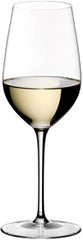
Elena Walch Riesling Vigna Castel Ringberg is a dry white wine that expresses the authentic soul of the Riesling grape variety. On the nose, the bouquet blends aromas of peach, white flowers and citrus fruits such as lime and grapefruit, enriched by elegant hints of white pepper. On the palate, vibrant freshness and a solid mineral structure lead to a harmonious finish. This semi-aromatic profile is ideal for accompanying seafood, first courses with bottarga or sea urchins, but is also perfect as an aperitif with fresh cheeses or white meats.
Where it comes from
Produced in Trentino-Alto Adige, this wine originates from the Alto Adige area, from vineyards situated above Lake Caldaro. The grapes are grown in the historic single vineyard surrounding the estate's Renaissance castle, where the vines grow between three hundred and thirty and four hundred metres above sea level. The soil, composed of dolomitic rock, alluvial gravel and limestone, imparts a pronounced tension and a deep territorial character to the sip.
How it is produced
In the winery, the aim is to preserve the purity of the fruit through gentle pressing and static decantation of the must. Fermentation takes place in stainless steel tanks at a controlled temperature to maintain the fragrance of the aromas. The wine completes its journey with ageing on the lees in stainless steel, avoiding the use of barrels. This approach enhances the linearity and refined elegance that make this glass unique.
History and Curiosities
The prestigious Riesling Vigna Castel Ringberg originates from an exceptional area, among the rows of vines surrounding the Renaissance castle of the same name, built by the Habsburgs in 1620 in a commanding position overlooking Lake Caldaro. In South Tyrol, the term “Vigna” officially identifies a single mapped vineyard, a synonym for excellence and traceability. This monopoly of the Elena Walch estate embodies the vision of a family-run winery led by Julia and Karoline, characterised by innovation and respect for the land.
Tasting notes
Perfume
Color
Taste
Serve at:
10 - 12 °C
Longevity:
05 - 10 years
- Start up year: 1988
- Oenologist: Stefano Bolognani
- Bottles produced: 800.000
- Hectares: 90
Encouraging quality and innovation, Elena Walch stood at the head of the Alto Adige quality revolution and has gained local and international esteem for her efforts. An architect by trade, Elena Walch married into one of the oldest and most significant wine families of the region and brought new, modern concepts to the traditional establishment. Now, the responsibility for the family business is being put into the hands of the daughters, Julia and Karoline Walch, already the fifth generation. Read more


| Name | Elena Walch Alto Adige Riesling Vigna Castel Ringberg 2023 |
|---|---|
| Type | White still semi-aromatic |
| Denomination | Alto Adige DOC |
| Vintage | 2023 |
| Size | 0,75 l |
| Alcohol content | 12.5% by volume |
| Grape varieties | 100% Riesling |
| Country | Italy |
| Region | Trentino Alto Adige |
| Vendor | Elena Walch |
| Story | History and Curiosities The prestigious Riesling Vigna Castel Ringberg originates from an exceptional area, among the rows of vines surrounding the Renaissance castle of the same name, built by the Habsburgs in 1620 in a commanding position overlooking Lake Caldaro. In South Tyrol, the term "Vigna" officially identifies a single mapped vineyard, a synonym for excellence and traceability. This monopoly of the Elena Walch estate embodies the vision of a family-run winery led by Julia and Karoline, characterised by innovation and respect for the land. |
| Origin | Lake Caldaro, South Tyrol, Italy |
| Soil composition | Mixture of dolomitic rock, ancient gravel from the River Adige and light limestone residue soils |
| Fermentation temperature | 18 °C |
| Production technique | Soft pressing of the grapes; static decantation of the must; fermentation in stainless steel tanks at controlled temperature (~18 °C); ageing on the lees in stainless steel until bottling |
| Wine making | Soft pressing of the grapes, with static decantation of the must; fermentation in stainless steel tanks at a controlled temperature of about 18 °C; maturation on the lees in stainless steel tanks until bottling. |
| Aging | Extended contact on the lees after fermentation in stainless steel tanks until bottling. |
| Total acidity | 7.7 gr/L |
| Residual sugar | 4.1 gr/L |
| Year production | 800000 bottles |
| Allergens | Contains sulphites |