


David Leclapart
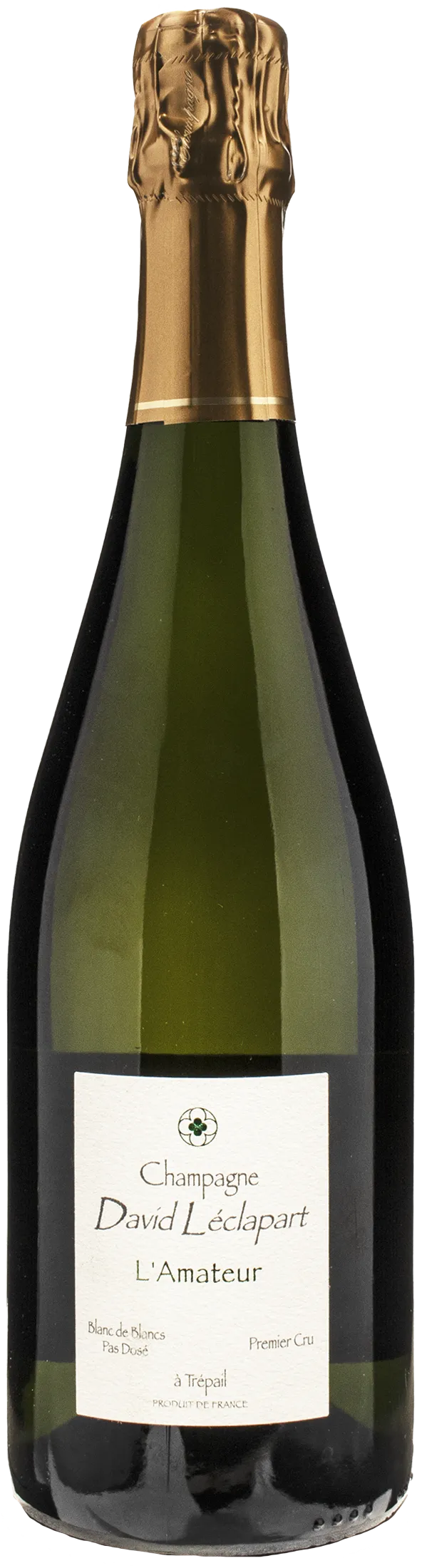
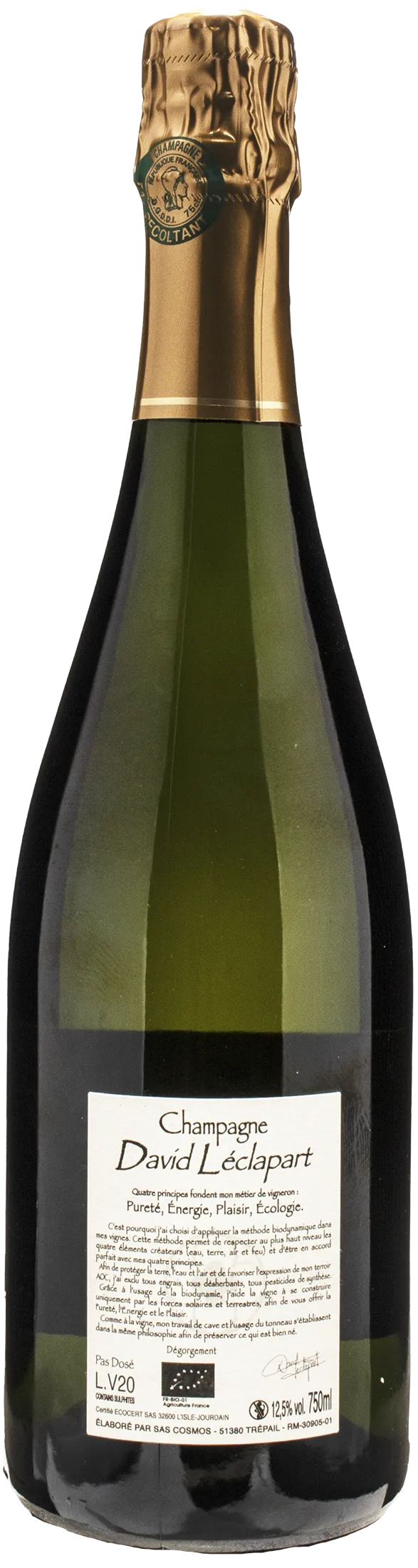
Champagne 1er Cru Blanc de Blancs Pas Dose L'Amateur
| Denomination | AOC Champagne Premier Cru Blanc de Blancs |
|---|---|
| Size | 0,75 l |
| Alcohol content | 12.5% by volume |
| Area | Champagne region (France) |
| Grape varieties | 100% Chardonnay |
- Type and grape variety: Premier Cru Blanc de Blancs sparkling wine with no dosage, 100% Chardonnay
- Origin: Trépail, an interpretation of the terroir with citrus notes and saline minerality
- Vinification: Traditional bottle method, indigenous yeasts, unfiltered
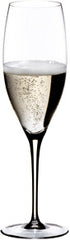
- Sensory profile: Fine perlage, floral notes, white fruit, dried fruit and toffee
- Ageing: Ageing potential 15–25 years; 12.5% ABV; serving temperature 6–8 °C
Description
What kind of wine it is
The Champagne David Leclapart Champagne Premier Cru Blanc de Blancs Pas Dosé L’Amateur is made entirely from Chardonnay grapes, following the strict Traditional Method, which gives it an extremely fine perlage. Visually, it displays a brilliant straw yellow hue. The bouquet reveals floral aromas and notes of white and yellow-fleshed fruit, enriched by hints of dried fruit and a touch of toffee. On the palate, it is fresh and vibrant, with a deep structure and a persistence that evolves towards a citrusy and savoury finish, characterised by pronounced saline notes. It is a dry and linear wine, thanks to the absence of dosage.
Where it comes from
The grapes come from the village of Trépail, located in the renowned Champagne region. This terroir, recognised as Premier Cru, imparts a marked mineral character to the Chardonnay. In his own vineyards, David Leclapart follows the principles of biodynamics, promoting natural balance through spontaneous grassing and grazing of animals among the rows. This respectful approach allows for the production of highly expressive fruit, capable of reflecting the purity of the terroir and ensuring excellent ageing potential.
How it is produced
In the winery, intervention is kept to a minimum to preserve the quality of the raw material, starting with traditional pressing and static clarification. Spontaneous fermentations, including malolactic, occur thanks to indigenous yeasts. The producer chooses not to carry out filtration, fining or forced stabilisation, respecting the lunar cycles for racking and bottling. The secondary fermentation in the bottle takes place according to the Traditional Method and is completed without the addition of sugars, thus offering a pure, essential and extremely elegant profile.
History and Curiosities
Founded in Trépail in 1988, David Leclapart's winery cultivates just three hectares of vineyard to produce L’Amateur, a sublime symbol of craftsmanship in Champagne. The deep commitment to biodynamic agriculture is reflected in sheep grazing among the vines and cellar activities governed by lunar cycles. The utmost respect for nature is expressed through spontaneous fermentations, the absence of filtration, and minimal use of sulphites. An authentic excellence, awarded scores of up to 94/100 by the finest guides.
Awards
-
 94
94/100
James Suckling is an influential American wine critic and journalist who worked at Wine Spectator for 30 years. He left the magazine in 2010 to start his own website and guidebook (JamesSuckling.com). He specialises in Italian and Bordeaux wines.
-
 91
91/100
The prestigious international wine guide from the renowned Robert Parker, the world's most experienced and trusted wine taster.
-
 89
89/100
Vinous is the online guide from Antonio Galloni, one of the world's leading wine connoisseurs.
-
 91
91/100
Wine spectator is the most influential wine guide on the internet.
Tasting notes
Perlage
Perfume

Color
Taste
Serve at:
06 - 08 °C
Longevity:
15 - 25 years
- Start up year: 1988
- Oenologist: David Leclapart
- Bottles produced: 15.000
- Hectares: 3
In 2000, three years have passed since the beginning of biodynamic conversion, the amount of time that experts consider essential for first tangible results. Another radical choice - not ever dose sparkling wines - adds further difficulties, because it highlights the unevenness of enforcement, and the smallest uncertainty of health or maturity of the grapes. The rain-soaked 2001 is one of the worst years for Champagne, in the meantime, his '99 and 2000 began to get noticed by consumers and by some observer. First successes of David and the state of perfect health of the grapes - in a region with a so difficult climate - reassure the family and intrigue villagers.
The exclusion of any synthetic chemical products, the total and spontaneous revegetation of the soil, the use of biodynamic preparations, not satisfie the desire for naturalness of this winemaker. Since 2002, Léclapart realizes an old project: the sheep in the vineyard. These animals have a double advantage: fleecing of course the grass without threatening the vines and fertilized the soil by returning the native plant material in an elaborate form.
"The sheep - says David -is an animal of light, we have always needed in a region so Nordic. There is a complicity between the animal and the plant, which "feels" the presence. I also like the idea of returning to the landscape a variety that the monoculture of the vine has almost erased. I know my neighbors to take me crazy and that's why I tell them that sheep are only used to mow and fertilize"
Belonging to a Scottish rare breed , these animals can remain outdoors during the day and the night in all weathers. Léclapart borrowed them from a shepard of the Ardennes, which will take them back in spring.
Sheeps are moved from one plot of land to another every 15/20 days, but obviously each vineyard should be fenced from time to time. Read more


| Name | David Leclapart Champagne 1er Cru Blanc de Blancs Pas Dose L'Amateur |
|---|---|
| Type | White organic classic method sparkling wine pas dosé |
| Denomination | Champagne AOC |
| Size | 0,75 l |
| Alcohol content | 12.5% by volume |
| Grape varieties | 100% Chardonnay |
| Country | France |
| Region | Champagne region |
| Vendor | David Leclapart |
| Story | History and Curiosities Founded in Trépail in 1988, David Leclapart's winery cultivates just three hectares of vineyard to produce L’Amateur, a sublime symbol of craftsmanship in Champagne. The deep commitment to biodynamic agriculture is reflected in sheep grazing among the vines and cellar activities governed by lunar cycles. The utmost respect for nature is expressed through spontaneous fermentations, the absence of filtration, and minimal use of sulphites. An authentic excellence, awarded scores of up to 94/100 by the finest guides. |
| Origin | Trépail (France) |
| Production technique | Traditional method with second fermentation in the bottle (traditional method) |
| Wine making | Traditional pressing; addition of sulphur solution as discreetly as possible; static clarification; indigenous yeasts; no cold stabilisation or heating of the cellar; no inoculation with lactic bacteria; no fining or filtration; racking and bottling according to lunar cycles; systematic malolactic fermentation occurring spontaneously, resulting in late bottling. |
| Allergens | Contains sulphites |