


Cantina Sociale Trento
600UNO Trento Rosé
| Denomination | DOC Trento Spumante Rosato |
|---|---|
| Size | 0,75 l |
| Alcohol content | 12.5% by volume |
| Area | Trentino Alto Adige (Italy) |
| Grape varieties | 100% Pinot Nero |
| Aging | Aged on the lees for at least 30 months after bottling. |
- Trentodoc rosé brut: Trento DOC 100% Pinot Noir, 12.5% vol, 0.75 l bottle
- Traditional method: bottle refermentation and ageing on the lees for at least 30 months
- Harvest and vinification: hand-picked; fermentation at 17°C for 10–14 days
- Sensory profile: pale pink, fine perlage; fruity and floral notes, slight hint of yeast
- Awards and serving: Bibenda 4 bunches, Veronelli 2 stars; serving temperature 8–10°C


Description
What kind of wine it is
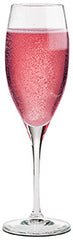
600UNO Trento Rosé from Cantina di Trento is an elegant Brut rosé sparkling wine, a true expression of the Trento region. Made from Pinot Noir grapes, it is crafted using the Traditional Method, a key step in defining its complexity. In the glass, it displays a delicate pink colour and a fine, persistent perlage. The aromatic profile opens with a fresh bouquet, featuring fruity and floral notes intertwined with a subtle hint of bread crust. On the palate, it offers a savoury, elegant and pleasantly mineral sip.
Where it comes from
This Trento originates in the heart of Trentino Alto Adige. The hillside vineyards, located above the eastern part of the city of Trento, benefit from a microclimate ideal for the perfect ripening of the grapes. The vines grow at an altitude between 500 and 650 metres above sea level, a geographical condition crucial for preserving the wine's natural acidity and imparting freshness. The care of these small plots is entrusted to the local cooperative's winegrowers, who are dedicated to enhancing the agricultural vocation of the Alpine landscape.
How it is produced
The process begins with a manual harvest, during which the bunches are carefully picked to preserve their integrity. After destemming, there is a brief maceration, followed by the alcoholic fermentation of the base wine at a controlled temperature. In spring, the blend is created to trigger the prise de mousse. According to the principles of the Traditional Method, the second fermentation in the bottle is followed by ageing on the lees for at least 30 months, essential for enriching the structure and aromatic nuances.
History and Curiosities
Founded in 1956, the Cantina Sociale Trento passionately brings together small local winegrowers to enhance a region with a great winemaking tradition. The refined 600UNO Trento Rosé is the emblem of this successful story of cooperation. Born from vineyards located between 500 and 650 metres above sea level on the eastern hills of the city, this excellent Trento DOC Spumante is expertly crafted by oenologist Giorgia Brugnara. Awarded four Bibenda bunches and two Veronelli stars, it boasts a splendid evolution in the bottle that can last up to ten years.
Tasting notes

Perlage

Perfume

Color

Taste
Serve at:
08 - 10 °C
Longevity:
05 - 10 years
- Start up year: 1956
- Oenologist: Giorgia Brugnara
- Bottles produced: 750.000
- Hectares: 100
This is what a wine cooperative is in our opinion: a place to defend and promote the area and its products thanks to the union of those who live and work in the area every day. Read more


| Name | Cantina Sociale di Trento Trento Cuvee 601 Brut Rosè |
|---|---|
| Type | Rosé classic method sparkling wine brut |
| Denomination | Trento DOC |
| Size | 0,75 l |
| Alcohol content | 12.5% by volume |
| Grape varieties | 100% Pinot Nero |
| Country | Italy |
| Region | Trentino Alto Adige |
| Vendor | Cantina Sociale Trento |
| Story | History and Curiosities Founded in 1956, the Cantina Sociale Trento passionately brings together small local winegrowers to enhance a region with a great winemaking tradition. The refined 600UNO Trento Rosé is the emblem of this successful story of cooperation. Born from vineyards located between 500 and 650 metres above sea level on the eastern hills of the city, this excellent Trento DOC Spumante is expertly crafted by oenologist Giorgia Brugnara. Awarded four Bibenda bunches and two Veronelli stars, it boasts a splendid evolution in the bottle that can last up to ten years. |
| Origin | Above the eastern part of the city of Trento (500–650 m a.s.l.) |
| Fermentation temperature | Around 17 °C |
| Fermentation | 10–14 days |
| Production technique | Traditional method (bottle fermentation) |
| Wine making | After a brief maceration of the destemmed grapes, alcoholic fermentation of the base wine takes place, maintaining the temperature at around 17°C for 10–14 days. In spring, after a short resting period for the base wine, the cuvée is created with the addition of the necessary sugars for the secondary fermentation; this is followed by bottling and ageing on the lees for at least 30 months (traditional method). |
| Aging | Aged on the lees for at least 30 months after bottling. |
| Total acidity | 7.0 gr/L |
| Residual sugar | 4.0 gr/L |
| Allergens | Contains sulphites |