


Bric Cenciurio
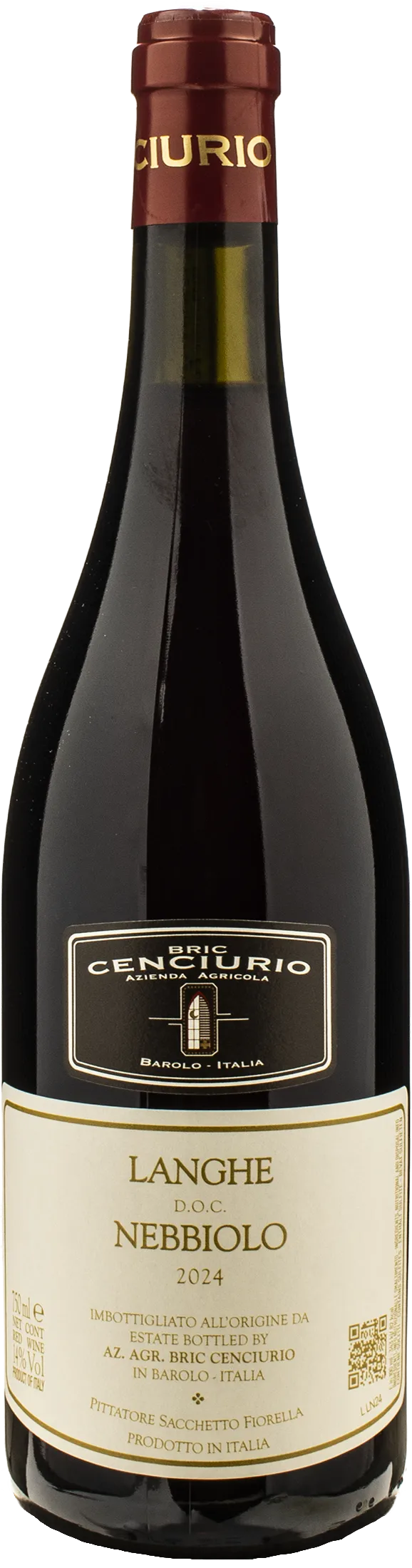
Langhe Nebbiolo 2024
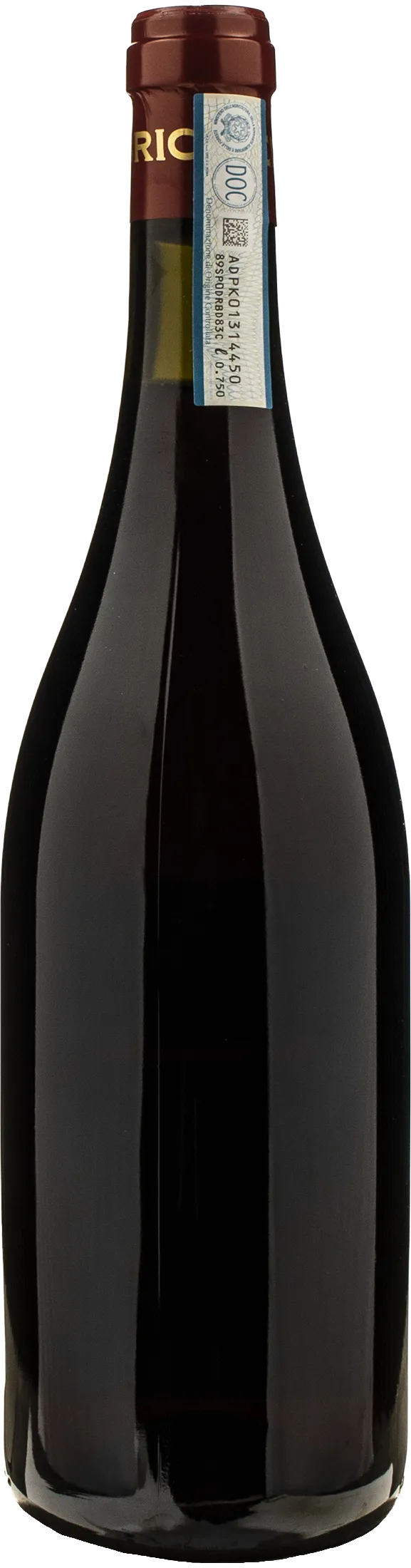
| Denomination | DOC Langhe Nebbiolo |
|---|---|
| Size | 0,75 l |
| Alcohol content | 14.0% by volume |
| Area | Piedmont (Italy) |
| Grape varieties | 100% Nebbiolo |
- Grape variety and DOC: Langhe DOC, 100% Nebbiolo, still red wine from Piedmont
- Vintage and alcohol content: 2024 Harvest, 14% alcohol by volume, 0.75-litre bottle
- Origin: Grapes from historic vineyards located between Barolo and Roero, Piedmont
- Aroma and flavour: Delicate notes, refined taste, elegant and harmoniously balanced
- Vinification and serving: Meticulous processing, 1-hour decanting
Description
What type of wine it is
Bric Cenciurio Langhe Nebbiolo is a still red wine produced from Nebbiolo grapes, an authentic expression of the Langhe territory in Piedmont. This label is distinguished by an aromatic profile characterised by delicate scents, offering a fine, elegant, and well-balanced sip on the palate. The identity of the grape variety emerges with absolute precision, providing a linear and consistent tasting experience. A decanting of about an hour is recommended to allow the wine to fully reveal its complexity and its loyalty to the territory of origin.
Where it comes from
The grapes destined for this wine come from historic vineyards located between the famous areas of Barolo and Roero. This specific geographical context brings together two neighbouring and complementary territories, whose meeting deeply shapes the character of the wine. The peculiar geological nature of the area, characterised by the presence of stratified soils, ensures a variable and complex soil composition. This remarkable pedological richness naturally supports the delicacy of the aromas and the gustatory balance, offering a clear and defined interpretation of the terroir.
How it is produced
The production process managed by Bric Cenciurio is based on rigorous respect for the raw material, adopting careful cellar management so as not to alter the natural balance of the fruit. Every single stage of vinification and ageing is skilfully calibrated according to the specific characteristics of the harvested grapes, ensuring precise and targeted interventions. This approach allows the finesse of the aromatic profile to be preserved intact, developing a fine and elegant taste that clearly expresses the true nature of Nebbiolo.
History and Facts
This wine is made from grapes sourced from historic vineyards, renewing the historical union between the Barolo and Roero territories that characterises the estate's families. Its creation reflects the traditional Italian oenological heritage that defines these lands.
Tasting notes

Perfume

Color
Taste
Serve at:
14 -16 °C
Longevity:
05 - 10 years
Decanting time:
1 hour
- Start up year: 1996
- Oenologist: Alessandro Pittatore
- Bottles produced: 70.000
- Hectares: 15
Starting from here, in 1990 Franco Pittatore and his brother-in-law Carlo Sacchetto decided to merge their properties in Barolo and Roero, to give life to their dream: producing traditional high-quality wines. A dream, but also a solid project, carried out today by Franco's sons, Alessandro and Alberto, in their estate vineyards in Barolo, Novello, Castellinaldo, and Magliano Alfieri.
Their commitment to keeping alive the good agricultural practices learned from their ancestors, further improved by their oenological studies and continuous research, translates into good practices aimed to safeguard the natural cycles of the land.
Strictly manual labor, carried out with the same care and attention in each vineyard, a part of the land set aside to natural forest, thus renouncing to increase the production in favor of maintaining great biodiversity and an ideal microclimate, are the concrete signs of a commitment that continues in the cellar, with the maximum respect for the grapes and their natural times. Read more


| Name | Bric Cencurio Langhe Nebbiolo 2024 |
|---|---|
| Type | Red still |
| Denomination | Langhe DOC |
| Vintage | 2024 |
| Size | 0,75 l |
| Alcohol content | 14.0% by volume |
| Grape varieties | 100% Nebbiolo |
| Country | Italy |
| Region | Piedmont |
| Vendor | Bric Cenciurio |
| Story | History and Facts This wine is made from grapes sourced from historic vineyards, renewing the historical union between the Barolo and Roero territories that characterises the estate's families. Its creation reflects the traditional Italian oenological heritage that defines these lands. |
| Origin | Barolo and Roero (Piedmont, Italy) |
| Soil composition | The different types of soil, due to the infinite series of different layers that characterise these areas. |
| Production technique | Cellar operations are carried out with great care, adapting every stage of vinification and ageing to the characteristics of each vintage’s grapes, without ever forcing nature’s hand. |
| Wine making | In the cellar, work is carried out with great care, adapting every stage of winemaking and ageing to the characteristics of the grapes of each vintage, without ever forcing nature's hand. |
| Allergens | Contains sulphites |