


Adami
Valdobbiadene Prosecco Superiore Bosco di Gica Brut
| Denomination | DOCG Conegliano Valdobbiadene Prosecco Spumante Superiore Brut |
|---|---|
| Size | 0,75 l |
| Alcohol content | 11.0% by volume |
| Area | Veneto (Italy) |
| Grape varieties | 97% Glera, 3% Chardonnay |
| Aging | Ageing and resting on fine lees in stainless steel for three months; refermentation according to the Italian method (Charmat) in stainless steel autoclaves (cycle of about 40 days), cold tartaric stabilisation (-4 °C) and microfiltration before bottling. |
- Name: Non-vintage Brut Sparkling Wine Prosecco Superiore DOCG from Valdobbiadene
- Grape variety and cru: 95–97% Glera and 3–5% Chardonnay from Bosco di Gica, Colbertaldo
- Aromas: hints of yellow apple and peach with floral notes of wisteria and acacia blossom
- Perlage and taste: compact mousse, fine and persistent bubbles; fresh and savoury flavour
- Serving and pairings: serve at 6–8 °C; ideal with fish, shellfish and cacio e pepe


Description
What kind of wine it is
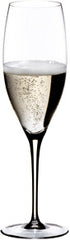
Adami Valdobbiadene Prosecco Superiore Bosco di Gica Brut is a dry and harmonious sparkling wine, an expression of the Veneto region. The blend of Glera grapes and Chardonnay gives it a straw-yellow colour, enhanced by a fine and persistent perlage. On the nose, it opens with a delicate bouquet featuring fragrant notes of yellow apple, peach, wisteria and acacia. On the palate, it is crisp, fresh and savoury, making it an excellent aperitif. Its versatility makes it ideal for accompanying seafood dishes, shellfish and recipes with bold flavours such as the classic spaghetti cacio e pepe.
Where it comes from
The grapes ripen on the hills of Conegliano Valdobbiadene, focusing on the historic cru Bosco di Gica in Colbertaldo. The vineyards stretch across south-facing hillsides at an altitude between 180 and 300 metres. The moraine-origin soils, composed of clay and limestone, are dry and well-drained. This geological composition, together with a temperate climate characterised by cold winters and hot summers, promotes optimal ripening, giving the wine vibrant freshness and a distinct mineral character.
How it is produced
After harvesting, the bunches undergo a gentle pressing, followed by static decantation of the must. The initial fermentation takes place in stainless steel with the aid of selected yeasts, followed by three months of ageing on the fine lees to give the wine body. The secondary fermentation occurs using the Charmat Method in stainless steel autoclaves, ensuring a fine effervescence. The production cycle concludes with cold stabilisation and careful microfiltration, processes necessary to maintain the clarity and elegance of the sip.
History and Curiosities
Born in 1920 from the intuition of the Adami family, the elegant Prosecco Superiore DOCG Bosco di Gica embodies the authentic winemaking tradition of the region. Thanks to the enhancement of the exclusive plot acquired from Count Balbi Valier, Abele created the first Cru of Valdobbiadene. The name pays homage to an ancient grove in Colbertaldo, guardian of memories dating back six centuries. Today, this sparkling wine continues an unbroken tradition, offering the palate undisputed excellence, celebrated by 91 points Robert Parker.
Awards
-
 4
4Italian Sommelier Foundation (FIS) guide This has been one of the most prestigious wine guides in Italy for over 10 years.
-
 89
89/100
The prestigious international wine guide from the renowned Robert Parker, the world's most experienced and trusted wine taster.
-
 2
2One of the most prestigious wine guides in Italy.
-
 91
91/100
Vinous is the online guide from Antonio Galloni, one of the world's leading wine connoisseurs.
Tasting notes

Perlage
Perfume

Color

Taste
Serve at:
06 - 08 °C
Longevity:
03 - 05 years
- Start up year: 1933
- Oenologist: Franco e Fabrizio Adami
- Bottles produced: 850.000
- Hectares: 50
Today, the fourth generation, in the persons of Fabrizio, Claudio and Cristina, are actively contributing, and brand exploration has now spread to four continents. The long arc of these years has seen an alternating succession of viticultural achievements and international accolades that have brought together winegrowing experts, wine lovers, and sector professionals, an opportunity-rich adventure in which excellence has always met challenges yet always emerged triumphant. The result has been a patrimony of a family, of a growing area, and of a community, a heritage that only 100 years of history can fashion. Read more


| Name | Adami Valdobbiadene Prosecco Superiore Bosco di Gica Brut |
|---|---|
| Type | White charmat method sparkling wine brut |
| Denomination | Conegliano Valdobbiadene Prosecco DOCG |
| Size | 0,75 l |
| Alcohol content | 11.0% by volume |
| Grape varieties | 97% Glera, 3% Chardonnay |
| Country | Italy |
| Region | Veneto |
| Vendor | Adami |
| Story | History and Curiosities Born in 1920 from the intuition of the Adami family, the elegant Prosecco Superiore DOCG Bosco di Gica embodies the authentic winemaking tradition of the region. Thanks to the enhancement of the exclusive plot acquired from Count Balbi Valier, Abele created the first Cru of Valdobbiadene. The name pays homage to an ancient grove in Colbertaldo, guardian of memories dating back six centuries. Today, this sparkling wine continues an unbroken tradition, offering the palate undisputed excellence, celebrated by 91 points Robert Parker. |
| Origin | Hills in the municipalities of Valdobbiadene, Vidor and Farra di Soligo (Bosco di Gica, Colbertaldo) |
| Climate | Temperate with cold winters and hot, dry summers |
| Soil composition | Heterogeneous, with many hills of morainic origin; clay soil, often calcareous, thin, dry and shallow, especially at higher altitudes. |
| Cultivation system | Double inverted, Cappuccina |
| Plants per hectare | 2500-3500 |
| Yield per hectare | 13,500 kg/ha |
| Harvest | 20 September, 10 October |
| Fermentation temperature | 17–19 °C (fermentation); 15–17 °C (secondary fermentation) |
| Fermentation | Approximately 40 days |
| Production technique | Charmat method (Italian method in steel autoclaves) |
| Wine making | Gentle pressing with pneumatic presses, static decantation of the must, fermentation at a controlled temperature (17 9 °C) with selected yeasts. Maturation and ageing on fine lees in stainless steel for three months. |
| Aging | Ageing and resting on fine lees in stainless steel for three months; refermentation according to the Italian method (Charmat) in stainless steel autoclaves (cycle of about 40 days), cold tartaric stabilisation (-4 °C) and microfiltration before bottling. |
| Total acidity | 6.0 gr/L |
| PH | 3.2 |
| Residual sugar | 10.0 gr/L |
| Allergens | Contains sulphites |