


Vinosia
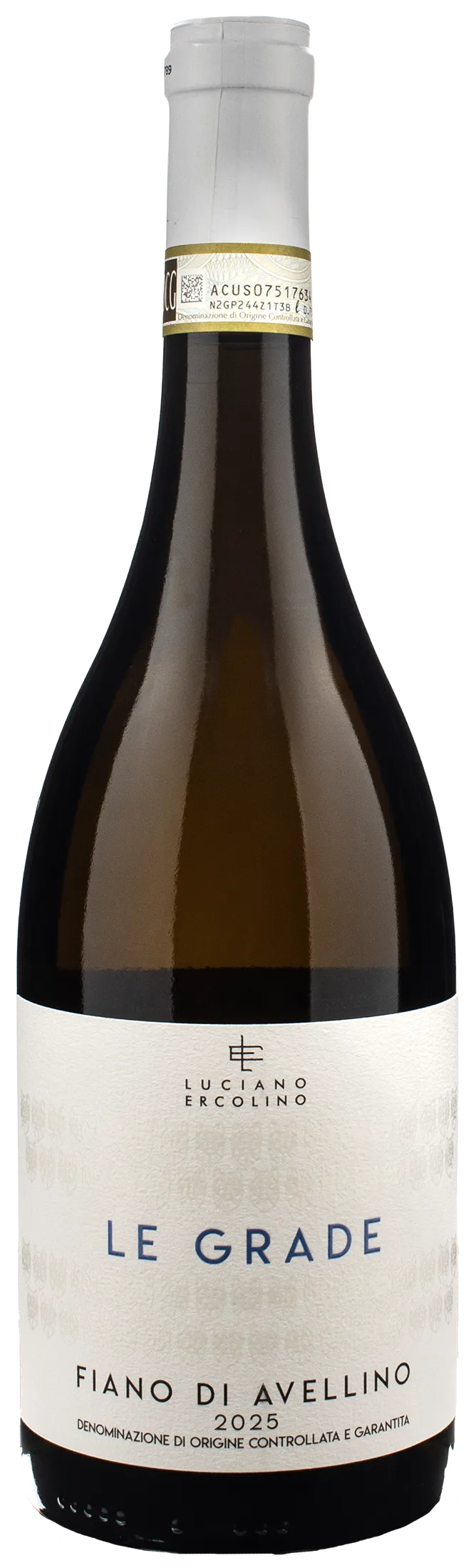
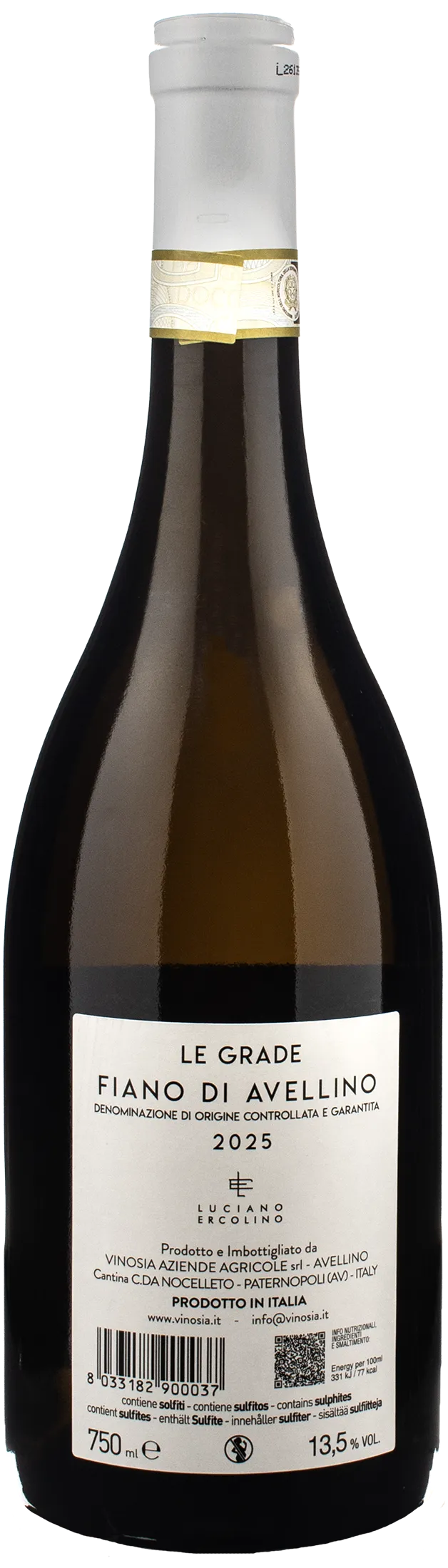
Fiano di Avellino Le Grade 2025
| Denomination | DOCG Fiano di Avellino |
|---|---|
| Size | 0,75 l |
| Alcohol content | 13.5% by volume |
| Area | Campania (Italy) |
| Grape varieties | 100% Fiano |
| Aging | Ageing in stainless steel tanks (stainless steel vats) |
- Denomination and grape: Fiano di Avellino DOCG from 100% Fiano grapes
- Olfactory profile: hints of pear, apricot and lemongrass with floral accents
- Tasting notes: dry, fresh and smooth flavour; savoury finish with elegant minerality
- Steel vinification: gentle pressing and fermentation with indigenous yeasts
- Data and serving: 0.75 l bottle, 13.5% vol; ideal at 8–10 °C with fish and shellfish dishes
Description
What type of wine it is
Vinosia's Le Grade Fiano di Avellino DOCG is a still white wine from Campania produced exclusively from Fiano grapes. Characterised by a dry and fresh style, this Fiano di Avellino stands out for its medium body and a harmonious bouquet ranging from notes of pear, apricot, and lemongrass, enriched by delicate floral hints. Fermented in stainless steel, it is lean and pleasant on the palate, with nuances of toasted almond and acacia honey. The finish offers a savoury close and fine minerality, which provide balance to the palate, leaving a soft sensation.
Where it comes from
This Fiano di Avellino originates in Campania, on the hills between Atripalda and San Potito Ultra. The soils of volcanic origin, fresh and soft, are rich in micro-elements that give the wine a strong territorial character. The suitability of this area allows the Fiano grape variety to express itself with elegance and well-defined aromas. This terroir, historically dedicated to white grape varieties since the Angevin era, guarantees ideal conditions for the vine, resulting in a distinct minerality and a smooth, pleasant drinkability.
How it is produced
Vinosia's production begins in October with careful manual harvesting. After gentle crushing and pneumatic pressing of the whole clusters, the must undergoes cold static clarification. Fermentation takes place in stainless steel tanks, partly through the action of indigenous yeasts; malolactic fermentation is not completed to preserve the natural freshness and acidity of the grape. Ageing in steel maintains the straw-yellow colour with greenish reflections, resulting in a fresh and dry sip.
History and interesting facts
Already appreciated by the Angevins for its extraordinary potential, Fiano is considered the king of white grape varieties of the ancient Kingdom of the Two Sicilies. Le Grade by Vinosia embodies this noble heritage: it originates on the hills between Atripalda and San Potito Ultra, in the heart of the Fiano di Avellino DOCG. The soft volcanic soils, rich in precious microelements, bestow the wine with extraordinary elegance, while careful fermentation using indigenous yeasts faithfully preserves its authentic Campanian territorial identity.
Tasting notes
Perfume

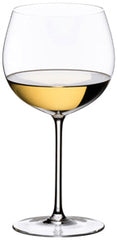
Color
Taste
Serve at:
12 - 14 °C
Longevity:
03 - 05 years
- Start up year: 2004
- Oenologist: Maio Ercolino, Nicola Tucci
- Bottles produced: 800.000
- Hectares: 50
We are in one of the most vocated and historical areas of Irpinia, where the 50 hectares cultivated with the native varieties, Fiano, Greco and Aglianico, insist. These serve as a solid basis for a project that aims to enhance the Irpinian wine tradition through a contemporary technical interpretation. Read more


| Name | Vinosia Fiano di Avellino Le Grade 2025 |
|---|---|
| Type | White still |
| Denomination | Fiano di Avellino DOCG |
| Vintage | 2025 |
| Size | 0,75 l |
| Alcohol content | 13.5% by volume |
| Grape varieties | 100% Fiano |
| Country | Italy |
| Region | Campania |
| Vendor | Vinosia |
| Story | History and interesting facts Already appreciated by the Angevins for its extraordinary potential, Fiano is considered the king of white grape varieties of the ancient Kingdom of the Two Sicilies. Le Grade by Vinosia embodies this noble heritage: it originates on the hills between Atripalda and San Potito Ultra, in the heart of the Fiano di Avellino DOCG. The soft volcanic soils, rich in precious microelements, bestow the wine with extraordinary elegance, while careful fermentation using indigenous yeasts faithfully preserves its authentic Campanian territorial identity. |
| Origin | Hills between the municipalities of Atripalda and San Potito Ultra (Avellino), Campania, Italy |
| Soil composition | Fresh, very soft and of volcanic origin. |
| Harvest | The first ten days of October |
| Production technique | Soft crushing; pneumatic pressing of the whole bunches; cold static settling; fermentation in stainless steel, partially with indigenous yeast starters. |
| Wine making | Soft crushing; pneumatic pressing of whole bunches; static cold settling; fermentation in stainless steel, partially with indigenous yeast starters; incomplete malolactic fermentation; ageing in stainless steel tanks (almost exclusive use of free-run juice for flagship wines). |
| Aging | Ageing in stainless steel tanks (stainless steel vats) |
| Allergens | Contains sulphites |