


Sirch Azienda Agricola
Sauvignon 2025
| Denomination | DOC Colli Orientali del Friuli Sauvignon |
|---|---|
| Size | 0,75 l |
| Alcohol content | 13.0% by volume |
| Area | Friuli-Venezia Giulia (Italy) |
| Grape varieties | 100% Sauvignon |
| Aging | At the end of fermentation, the wine remains on its lees for several months in stainless steel tanks, with periodic stirring; it is then bottled and aged in the bottle for several months before being released for sale. |
- Type and vintage: Still white DOC Colli Orientali del Friuli, 2025 vintage
- Grape variety and origin: Sauvignon Blanc grapes from the Colli Orientali del Friuli
- Varietal aromas: Notes of boxwood and tomato leaf, citrus fruits such as lime and grapefruit, hints of peach
- Palate and finish: Broad and juicy, with lively acidity, balanced savouriness and a saline finish
- Vinification: In stainless steel at 16–18 °C and aged for 6 months on the lees with bâtonnage


Description
What type of wine it is
Sirch's Sauvignon is a still white wine with a protected designation of origin that expresses the authentic character of Friuli-Venezia Giulia. Produced from Sauvignon Blanc grapes grown in the Colli Orientali del Friuli and aged on its lees in steel, it stands out for its intense and typically varietal aromatic profile. On the nose, clear notes of boxwood and tomato leaf emerge, enriched by citrus nuances of lime and grapefruit, with slight hints of peach. On the palate, it proves to be broad and juicy, supported by a balanced sapidity and a lively acidity. The relaxed sip closes with a fresh and saline finish, ideal for pairing with shellfish, prawn risottos and asparagus.
Where it comes from
This wine comes from the hillside vineyards located between Cividale del Friuli, Orsaria and Cladrecis. The vines take root in soils composed of marl and sandstone of Eocene origin, a mineral matrix that enhances the aromatic definition of the grapes. The mild and sunny microclimate, mitigated by the influence of the Mediterranean, favours optimal phenolic ripeness. Present in this territory since the late nineteenth century, Sauvignon Blanc is cultivated by Sirch using the Guyot training system, an agronomic choice aimed at enhancing the aromatic concentration and identity of the terroir.
How it is produced
Production begins with the harvesting of mid-hill grapes that have reached full maturity, followed by destemming and soft pressing. The must is clarified via static decantation at low temperature and fermented in temperature-controlled steel tanks. Subsequently, the wine ages for six months on its fine lees, gaining structure thanks to periodic bâtonnage. This period on the noble lees consolidates the balance of flavour, while the final refinement preserves the natural freshness and varietal purity of the wine before being released to the market.
History and curiosities
Introduced during the Habsburg era at the end of the 19th century, Sauvignon Blanc has become an emblem of Friulian tradition. Grown on the marly and sandstone soils of the Colli Orientali del Friuli, this grape variety releases a rare aromatic finesse. In this setting of excellence, the Sirch winery puts to use the experience gained since the mid-1950s. Thanks to the meticulous care of the Guyot training system, the one hundred hectares of hillside vineyards located between Cividale, Orsaria and Cladrecis give life to a harmonious and refined wine, an authentic guardian of territorial identity.
Tasting notes
Perfume

Color
Taste
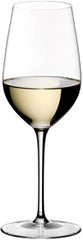
Serve at:
12 - 14 °C
Longevity:
03 - 05 years
- Start up year: 2015
- Oenologist: Luca Sirch
- Bottles produced: 650.000
- Hectares: 100
Sirch has invested in land, people and facilities and today cultivates its vineyards in three different locations in the Friuli Colli Orientali DOC region: Cividale del Friuli, Orsaria and Cladrecis. From here, it exports to many European countries and even reaching the United States of America thanks to Terlato Wines, a worldwide reality in wine distribution, which has chosen our company for its Terlato Vineyards label. SIRCH: the experience that comes from manual skills in the vineyard and in the cellar! A solid path of growth, which owes its fortune to the wise balance between contemporary vision and loyalty to its historical and natural roots. These are the values of tradition guiding SIRCH on this delicate path Read more


| Name | Sirch Sauvignon 2025 |
|---|---|
| Type | White still |
| Denomination | Colli Orientali del Friuli DOC |
| Vintage | 2025 |
| Size | 0,75 l |
| Alcohol content | 13.0% by volume |
| Grape varieties | 100% Sauvignon |
| Country | Italy |
| Region | Friuli-Venezia Giulia |
| Vendor | Sirch Azienda Agricola |
| Story | History and curiosities Introduced during the Habsburg era at the end of the 19th century, Sauvignon Blanc has become an emblem of Friulian tradition. Grown on the marly and sandstone soils of the Colli Orientali del Friuli, this grape variety releases a rare aromatic finesse. In this setting of excellence, the Sirch winery puts to use the experience gained since the mid 950s. Thanks to the meticulous care of the Guyot training system, the one hundred hectares of hillside vineyards located between Cividale, Orsaria and Cladrecis give life to a harmonious and refined wine, an authentic guardian of territorial identity. |
| Origin | Colli Orientali del Friuli (Friuli-Venezia Giulia, Italy), vineyards between Cividale del Friuli, Orsaria and Cladrecis |
| Climate | Mild and sunny microclimate in the Colli Orientali, influenced by the Mediterranean, which favours ripening and aromatic expression. |
| Soil composition | Predominantly marls and sandstones of Eocene origin |
| Cultivation system | Guyot system |
| Fermentation temperature | 16 to 18 °C |
| Production technique | Destemming and soft pressing; static settling at a low temperature; fermentation in stainless steel tanks at a controlled temperature (16–18 °C); ageing on the lees with periodic stirring (bâtonnage). |
| Wine making | The grapes, harvested at phenolic ripeness, are destemmed and gently pressed; the must undergoes static decantation at a low temperature and begins fermentation in stainless steel tanks at a controlled temperature (16–18 °C). At the end of fermentation, the wine remains on the lees in steel for several months with periodic stirring (bâtonnage), then it is bottled and aged in the bottle for several months before being released to the market. |
| Aging | At the end of fermentation, the wine remains on its lees for several months in stainless steel tanks, with periodic stirring; it is then bottled and aged in the bottle for several months before being released for sale. |
| Allergens | Contains sulphites |