


Tenute Silvio Nardi
43° Rosato Toscana
| Denomination | IGT Toscana |
|---|---|
| Size | 0,75 l |
| Alcohol content | 14.5% by volume |
| Area | Tuscany (Italy) |
| Grape varieties | Merlot, Syrah |
- Name and style: Still Rosé Toscana Indicazione Geografica Tipica, 0.75 l, 14.5% vol
- Grape blend: Blend of Merlot and Syrah, balanced between fruity notes and freshness
- Vinification: Aged in stainless steel to preserve fragrance and aromatic purity
- Aromatic profile: Hints of aromatic herbs, wild strawberries, wisteria and cherry blossom rose
- Taste and serving: Soft and savoury on the palate, long finish; serving temperature 10–12 °C


Description
What kind of wine it is
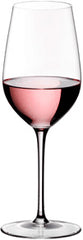
The 43° Rosato Toscana from Tenute Silvio Nardi is a still rosé made from a harmonious blend of Merlot and Syrah. In the glass, it displays a bright cherry-pink colour, while on the nose it releases clear aromas of wild strawberries, wisteria and fresh aromatic herbs. On the palate, it stands out for its pleasant softness, balanced by a marked savouriness that leads the tasting towards a long and persistent finish.
Where it comes from
This wine originates from the Tuscany region, an area highly suited to viticulture. It is produced by Tenute Silvio Nardi, a winery established in 1954 in Montalcino. Careful management of the vineyards allows the specific characteristics of the soil to be fully expressed, giving the wine a strong identity and a remarkable capacity for ageing, estimated between five and ten years.
How it is produced
The production of the 43° Rosato Toscana involves vinification in stainless steel, a technical choice aimed at preserving the fragrance of the aromas and the clarity of the fruit. This process keeps the aromatic precision of the Merlot and Syrah intact, ensuring a clean and linear palate. Attention to detail in the cellar is reflected in the wine's gustatory balance, a quality that has enabled this wine to receive significant recognition from James Suckling and the Veronelli guide.
History and Curiosities
The 43° Rosato Toscana IGT from Tenute Silvio Nardi celebrates the perfect balance between Merlot and Syrah, combining the winemaking tradition of Montalcino, established in 1954, with a modern vision. Distinguished by a bright cherry pink colour, this elegant wine, aged in stainless steel, reveals enveloping notes of wild strawberries, wisteria and aromatic herbs. On the palate, it is pleasantly smooth, supported by a pronounced savouriness that ensures a long and persistent finish. Awarded 90 points by James Suckling, it offers a longevity of 5-10 years.
Awards
-
 2
2One of the most prestigious wine guides in Italy.
Tasting notes

Perfume

Color

Taste
Serve at:
10 - 12 °C
Longevity:
05 - 10 years
- Start up year: 1954
- Oenologist: Mario Pisanu, Davide Crastus
- Bottles produced: 250.000
- Hectares: 80
In 1958, when the Brunello Consortium didn't exist yet and Montalcino was but a small unknown village, the first Brunello bottle came from the cellars of Casale del Bosco. Today, we can affirm that Silvio Nardi was the first "foreigner" to invest in the Montalcino.
In 1962, the Manachiara Estate was bought, with its 40 hectares of vineyards, near Castelnuovo dell'Abate, 25 km from Casale del Bosco. The Manachiara vineyards give their name today to the company's precious Brunello cru of the same name.
In 1967 Silvio Nardi was one of the founders of the Brunello di Montalcino wine Consortium.
In 1990 Emilia Nardi, Silvio's youngest daughter, took over the management of the company. She introduced radical changes in the process of wine production and company management and embarked on a process of restructuring both the vineyards and the cellar, choosing to combine tradition with scientific research. Read more


| Name | Silvio Nardi 43° Rosato Toscana |
|---|---|
| Type | Rosé still |
| Denomination | Toscana IGT |
| Size | 0,75 l |
| Alcohol content | 14.5% by volume |
| Grape varieties | Merlot, Syrah |
| Country | Italy |
| Region | Tuscany |
| Vendor | Tenute Silvio Nardi |
| Story | History and Curiosities The 43° Rosato Toscana IGT from Tenute Silvio Nardi celebrates the perfect balance between Merlot and Syrah, combining the winemaking tradition of Montalcino, established in 1954, with a modern vision. Distinguished by a bright cherry pink colour, this elegant wine, aged in stainless steel, reveals enveloping notes of wild strawberries, wisteria and aromatic herbs. On the palate, it is pleasantly smooth, supported by a pronounced savouriness that ensures a long and persistent finish. Awarded 90 points by James Suckling, it offers a longevity of 5 0 years. |
| Origin | Montalcino (Tuscany, Italy) |
| Production technique | Vinification in stainless steel |
| Wine making | Vinification in stainless steel. |
| Allergens | Contains sulphites |