


Patrice Colin
Petillant Perles Grises Brut
| Denomination | IGT Vin de France |
|---|---|
| Size | 0,75 l |
| Alcohol content | 12.0% by volume |
| Area | Loire (France) |
| Grape varieties | 100% Pineau d'Aunis |
- Format and alcohol content: 0.75 litre bottle, 12% alcohol by volume
- Grape variety and vineyards: 100% Pineau d’Aunis from vines over 40 years old
- Production technique: spontaneous fermentation and refermentation using the traditional method
- Aromas and flavour: hints of white flowers and graphite, notes of geranium and spices, lively finish
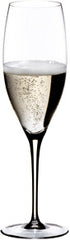
- Serving temperature and pairings: serve at 6-8°C, ideal with aperitifs and starters, recommended ageing 5-10 years


Description
What kind of wine is it
Patrice Colin Petillant Perles Grises Brut is a sparkling wine made using the Traditional Method that expresses the purity of the Pineau d’Aunis grape variety. Produced as a Vin de France, this biodynamic wine displays a very pale copper hue, almost transparent. Its aromatic profile is distinguished by the elegance of white flowers intertwined with characteristic mineral notes of graphite. On the palate, it reveals a vibrant and fragrant brut style, enriched with hints of geranium and spices. Perfect for accompanying starters, it offers a fresh and balanced drink.
Where does it come from
The grapes are grown in Thoré-la-Rochette, in the heart of the Loire Valley. Patrice Colin’s work is based on a rigorous biodynamic approach aimed at enhancing the terroir. The vines sink their roots into steep hillside soils composed of clay and flint, a formation that imparts a distinct gustatory tension to the wine. The presence of historic old vines, some dating back to the late nineteenth century, gives the harvest aromatic concentration and marked structural complexity.
How is it produced
Vinification follows natural principles, beginning with a natural fermentation that respects the identity of the harvest. The subsequent prise de mousse is carried out strictly using the Traditional Method, ensuring a fine and persistent perlage. The absence of high dosage defines a brut style focused on precision and fruit freshness. With excellent structure, this sparkling wine has cellaring potential of between five and ten years and is best enjoyed served at a temperature of 6-8 °C.
History and Curiosities
Produced in Thoré-la-Rochette, in the Loire Valley, Patrice Colin Pétillant Perles Grises Brut is the authentic expression of biodynamic and sustainable viticulture. This sparkling wine is made from 100% Pineau d’Aunis grapes, sourced from historic vineyards dating back to 1890, rooted in soils composed of clay and flint. Thanks to natural fermentation and the artisanal care of the traditional method, it offers an inimitable experience, highlighting with remarkable freshness the unique character of the French terroir.
Tasting notes
Perfume
Color
Taste
Serve at:
06 - 08 °C
Longevity:
05 - 10 years
- Hectares: 25
The domain sell himself all of his wines : directely (50% at private, 25% at cellarmens and restaurants, and 25% at exportation). Tree kinds of wines: red, white and grey. On the domain : tree wage earners, one seasonal and two trader agents work. A team work is the most important, each one has his part of responsability.
The competence from eachone create a whole at the service of the domain. Today, the exploitation wants elaborate a quality of wine, in the soil’s respect. The wine making preserves to the maximum the soil’s effect. Maturing and the bottling process helps the wine to preserve its character and complexity. Read more


| Name | Patrice Colin Petillant Perles Grises Brut |
|---|---|
| Type | White biodynamic classic method sparkling wine brut |
| Denomination | Vin de France IGT |
| Size | 0,75 l |
| Alcohol content | 12.0% by volume |
| Grape varieties | 100% Pineau d'Aunis |
| Country | France |
| Region | Loire |
| Vendor | Patrice Colin |
| Story | History and Curiosities Produced in Thoré-la-Rochette, in the Loire Valley, Patrice Colin Pétillant Perles Grises Brut is the authentic expression of biodynamic and sustainable viticulture. This sparkling wine is made from 100% Pineau d’Aunis grapes, sourced from historic vineyards dating back to 1890, rooted in soils composed of clay and flint. Thanks to natural fermentation and the artisanal care of the traditional method, it offers an inimitable experience, highlighting with remarkable freshness the unique character of the French terroir. |
| Origin | Thoré-la-Rochette, Loire, France |
| Soil composition | Clay and flint, sloping soils |
| Production technique | Classic method (traditional method) |
| Wine making | Biodynamic sparkling wine produced using the traditional method (classic method) in brut style, with natural fermentation. |
| Allergens | Contains sulphites |