


Pasqua Vigneti e Cantine
Trevenezie Rosè 11 Minutes 2025
| Denomination | IGT Tre Venezie |
|---|---|
| Size | 0,75 l |
| Alcohol content | 12.5% by volume |
| Area | Veneto (Italy) |
| Grape varieties | 50% Corvina, 25% Trebbiano, 15% Syrah, 10% Carmènere |
| Aging | Once the alcoholic fermentation is complete, the wine remains in contact with the fine lees for about 2 months, then it is filtered and bottled; ageing in stainless steel tanks. |
- Blend: Corvina 50%, Trebbiano di Lugana 25%, Syrah 15%, Carménère 10%
- Vinification: Pressing and maceration for 11 minutes; fermentation at 12-13 °C
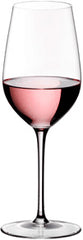
- Sensory profile: Salmon pink, notes of strawberry and violet, dry and fresh taste
- Ageing: In stainless steel on fine lees for 2 months, followed by filtration and bottling
- Serving and pairings: Temperature 10–14 °C; ideal as an aperitif, with fish and cheeses


Description
What kind of wine it is
Pasqua 11 Minutes Rosé is a still rosé wine that expresses the elegance of the Tre Venezie region. It is created from a blend of Corvina, Trebbiano di Lugana, Syrah and Carménère, balancing freshness, structure and acidity. The colour is a delicate pale salmon pink, introducing a bouquet that combines notes of ripe strawberries and violets with hints of rose. On the palate, it is dry and fresh, enhanced by a subtle spiciness that increases its drinkability. This fruity texture finishes with a long and harmonious finish, ideal for accompanying light starters, fish dishes and fresh cheeses.
Where it comes from
This rosé originates from vineyards cultivated along the enchanting shores of Lake Garda, an area of Veneto that shapes the wine's stylistic identity. The territorial imprint is revealed through soft hues and delicate organoleptic characteristics, perfect for outlining a clear and immediate aromatic profile. The name refers to the technical choice of extracting only the finest fractions of the must, ensuring a clean floral expression and a marked suitability for the spring and summer seasons.
How it is produced
The process begins with the pressing of destemmed grapes, followed by an eleven-minute maceration in contact with the skins, the exact interval needed to achieve its distinctive pink hue. After this stage, the must is cooled and left to settle for a period between twelve and twenty-four hours. Alcoholic fermentation takes place at constant temperatures to preserve the integrity of the aromas. The process concludes with maturation in stainless steel on fine lees for about two months before filtration, ensuring aromatic clarity and precision on the palate.
History and Curiosities
Born on the picturesque shores of Lake Garda, Pasqua 11 Minutes Rosé is a refined wine that owes its name to the very brief maceration of the skins: eleven minutes, the ideal time to achieve its delicate salmon pink hue. This sophisticated blend combines the floral notes of Corvina with the elegance of Trebbiano, releasing an intense and complex bouquet of ripe strawberries and roses. Maturation in steel preserves its freshness, offering a fruity sip and a harmonious finish, perfect for stylishly accompanying aperitifs and fish dishes.
Tasting notes

Perfume

Color

Taste
Serve at:
10 - 12 °C
Longevity:
03 - 05 years
- Start up year: 1925
- Oenologist: Carlo Olivari
- Bottles produced: 12.800.000
- Hectares: 322
Today, working alongside President Umberto are his sons Riccardo, CEO, and Alessandro, President of Pasqua USA. With the presentation of the Pasqua House of the Unconventional manifesto, today the winery aims to be a laboratory of research, a space for comparison where quality and creativity are the protagonists. Read more


| Name | Pasqua Trevenezie Rosè 11 Minutes 2025 |
|---|---|
| Type | Rosé still |
| Denomination | Tre Venezie IGT |
| Vintage | 2025 |
| Size | 0,75 l |
| Alcohol content | 12.5% by volume |
| Grape varieties | 50% Corvina, 25% Trebbiano, 15% Syrah, 10% Carmènere |
| Country | Italy |
| Region | Veneto |
| Vendor | Pasqua Vigneti e Cantine |
| Story | History and Curiosities Born on the picturesque shores of Lake Garda, Pasqua 11 Minutes Rosé is a refined wine that owes its name to the very brief maceration of the skins: eleven minutes, the ideal time to achieve its delicate salmon pink hue. This sophisticated blend combines the floral notes of Corvina with the elegance of Trebbiano, releasing an intense and complex bouquet of ripe strawberries and roses. Maturation in steel preserves its freshness, offering a fruity sip and a harmonious finish, perfect for stylishly accompanying aperitifs and fish dishes. |
| Origin | Shores of Lake Garda |
| Fermentation temperature | 12 3 °C |
| Production technique | Pressing of destemmed grapes with a very short maceration in contact with the skins for 11 minutes |
| Wine making | The destemmed grapes are crushed with a contact time between juice and skins of 11 minutes; the must is cooled and settled for about 12–24 hours in a stainless steel tank. This is followed by alcoholic fermentation at a low temperature (12–13 °C). After fermentation, the wine remains on the fine lees for about 2 months, then it is filtered and bottled; maturation takes place in stainless steel. |
| Aging | Once the alcoholic fermentation is complete, the wine remains in contact with the fine lees for about 2 months, then it is filtered and bottled; ageing in stainless steel tanks. |
| Total acidity | 5.57 gr/L |
| PH | 3.05 |
| Residual sugar | 5.5 gr/L |
| Allergens | Contains sulphites |