


Vin De la Neu - Nicola Biasi
Vin de la Neu 2020
| Denomination | IGT Vigneti delle Dolomiti |
|---|---|
| Size | 0,75 l |
| Alcohol content | 12.5% by volume |
| Area | Trentino Alto Adige (Italy) |
| Grape varieties | 100% Johanniter |
| Aging | 10 months in barrique + 16–20 months in bottle. |
- Grape variety and origin: Johanniter, Typical Geographical Indication Vigneti delle Dolomiti, Trentino
- Aromas: chamomile, white peach, almond, thyme and white pepper
- Taste profile: fresh and vertical, savoury, full-bodied structure with a long and precise finish
- Vinification technique: parcels vinified separately, 21-day fermentation in barrique, bâtonnage
- Ageing and production: 10 months in barrique, 16–20 months in bottle; production of 957 bottles

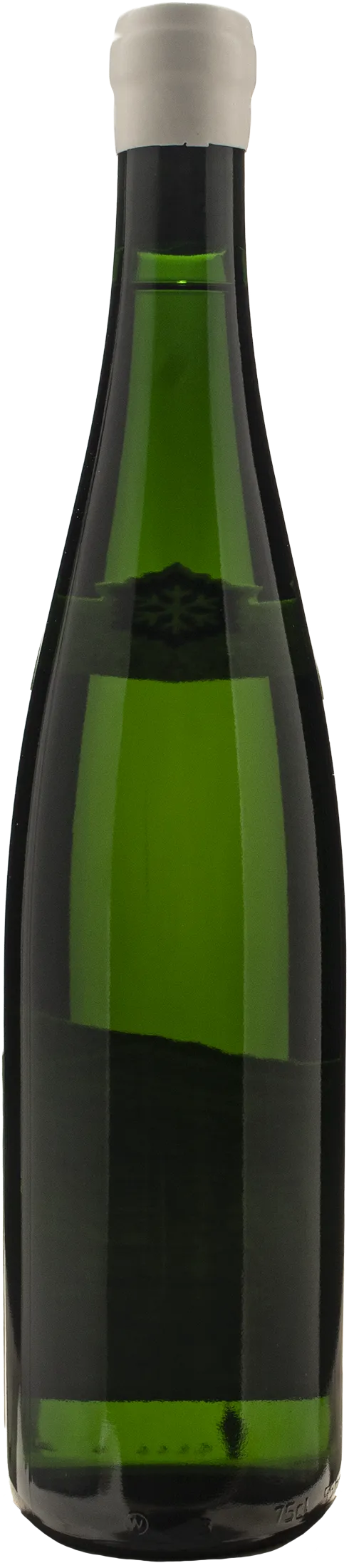
Description
What kind of wine it is
Vin de la Neu by Nicola Biasi is a still white wine made from the Johanniter grape variety, classified as Indicazione Geografica Tipica Vigneti delle Dolomiti, in Trentino. It stands out for its fascinating and complex aromatic profile, featuring notes of chamomile, white peach and almond, enhanced by hints of thyme and white pepper. On the palate, it reveals a full and linear structure, supported by vibrant freshness and pronounced savouriness. The harmonious balance leads to a long and precise finish, perfect for those who appreciate wines with great character and verticality.
Where it comes from
This wine originates in the heart of Trentino, from the union of two small high-altitude crus: a historic vineyard and a more recently planted one. Mountain viticulture demands extreme dedication and meticulous care among the rows. The particular soil and climate conditions of the area allow for a marked natural acidity, encouraging slow ripening and giving the wine a distinctive territorial identity.
How it is produced
After a rigorous manual harvest with careful selection of the bunches, vinification begins with the separate processing of each parcel. Following static clarification in cement tanks and gentle pressing, alcoholic fermentation takes place in French oak barrels, both new and second use. During this period, constant bâtonnage encourages aromatic extraction, supported by controlled micro-oxygenation to increase complexity. After malolactic fermentation in cement, the final blend is created, which continues to mature in wood. The process concludes with essential bottle ageing, fundamental for achieving ultimate expressive elegance.
History and Curiosities
Vin de la Neu 2020 comes from two small crus in Trentino: a historic vineyard, harvested on the morning of 14 October, and a younger one planted in the spring of 2017, picked in the afternoon of the same day. Production is extremely limited, with only 957 bottles and 30 magnums produced. This vintage boasts one of the warmest winters ever recorded in Trentino. The label, decorated with a snowflake, features the inscription “Mille Metri A Mille Metri”.
Tasting notes
Perfume

Color
Taste
Serve at:
10 - 12 °C
Longevity:
05 - 10 years
- Oenologist: Nicola Biasi
- Bottles produced: 1.000


| Name | Nicola Biasi Vin de la Neu 2020 |
|---|---|
| Type | White still |
| Denomination | Vigneti delle Dolomiti IGT |
| Vintage | 2020 |
| Size | 0,75 l |
| Alcohol content | 12.5% by volume |
| Grape varieties | 100% Johanniter |
| Country | Italy |
| Region | Trentino Alto Adige |
| Vendor | Vin De la Neu - Nicola Biasi |
| Story | History and Curiosities Vin de la Neu 2020 comes from two small crus in Trentino: a historic vineyard, harvested on the morning of 14 October, and a younger one planted in the spring of 2017, picked in the afternoon of the same day. Production is extremely limited, with only 957 bottles and 30 magnums produced. This vintage boasts one of the warmest winters ever recorded in Trentino. The label, decorated with a snowflake, features the inscription "Mille Metri A Mille Metri". |
| Origin | Trentino, Italia |
| Climate | One of the warmest winters on record in Trentino with below-average rainfall; a warmer and drier spring; a slightly warmer summer with rainfall concentrated in August, which was cooler and wetter |
| Harvest | Autumn 2020 |
| Fermentation | 21 days |
| Production technique | Parcels vinified separately; static clarification in unglazed concrete tanks; gentle pressing; alcoholic fermentation in French oak barriques (new and second use) for 21 days with vigorous bâtonnage; malolactic fermentation in concrete; maturation in wood after malolactic fermentation; clarification and filtration before bottling. |
| Wine making | Parcels vinified separately; static clarification in unglazed cement tanks; gentle pressing; alcoholic fermentation in French oak barriques (new and second use) for 21 days with vigorous bâtonnage; malolactic fermentation in cement; maturation in wood after malolactic fermentation, then clarification and filtration before bottling (October 2021) and bottle ageing until February 2023. |
| Aging | 10 months in barrique + 16–20 months in bottle. |
| Year production | 987 bottles |
| Allergens | Contains sulphites |