


Lis Neris
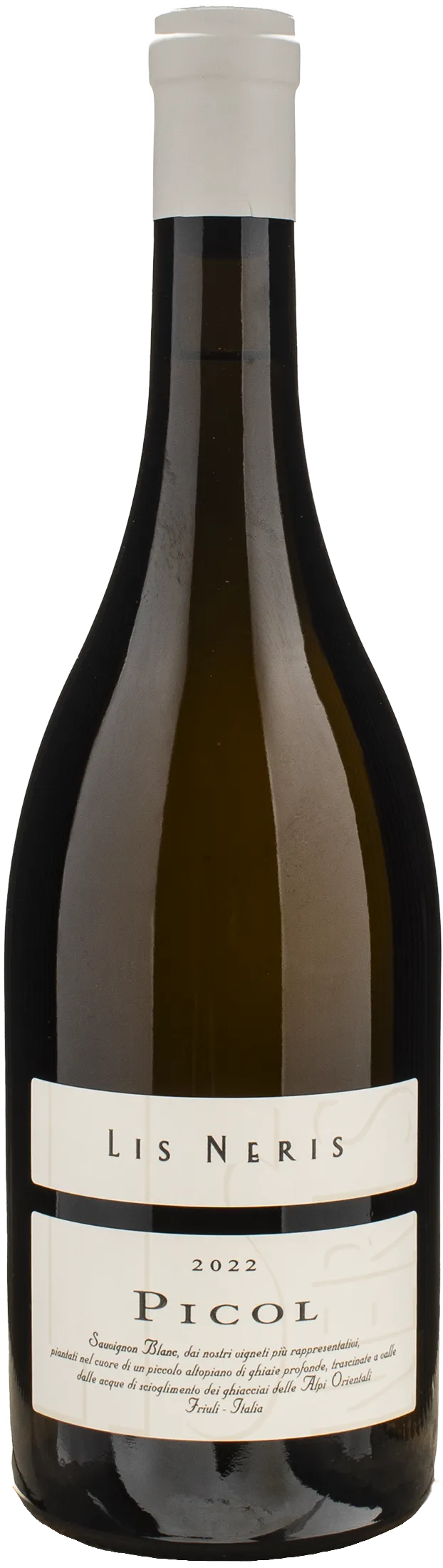
Friuli Isonzo Sauvignon Picol 2022
| Denomination | DOC Friuli Isonzo Sauvignon |
|---|---|
| Size | 0,75 l |
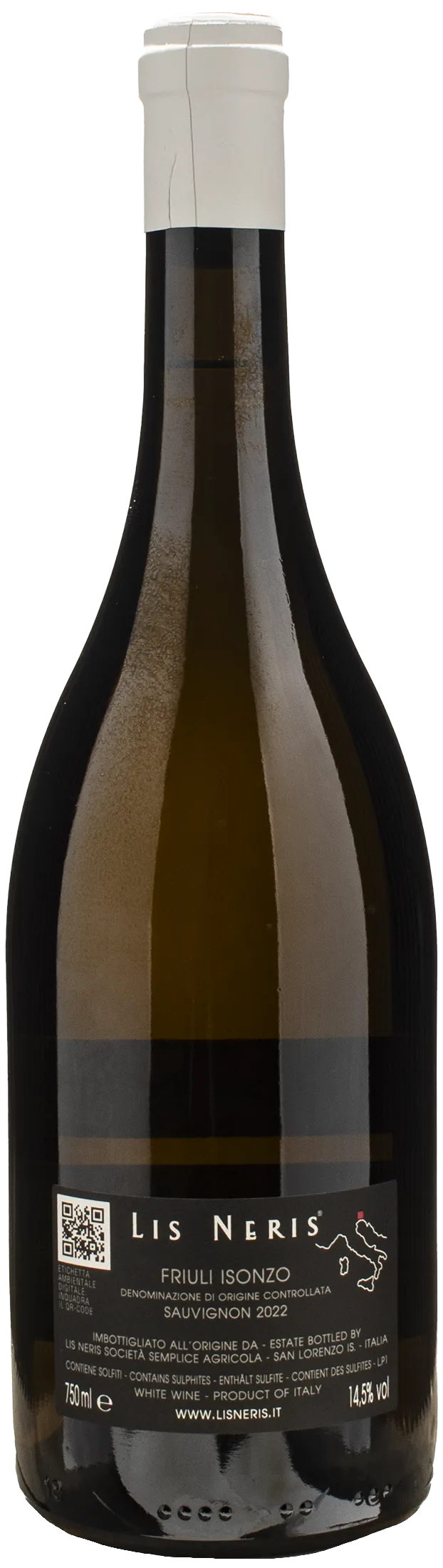
| Alcohol content | 14.5% by volume |
| Area | Friuli-Venezia Giulia (Italy) |
| Grape varieties | 100% Sauvignon |
| Aging | Aged on fine lees for 10 months in the same fermentation vessels, followed by 11 months in bottle. |
- Grape variety and vintage: 100% Sauvignon, still white Friuli Isonzo DOC, harvested in 2022
- Vinification: pneumatic pressing and fermentation in 500-litre oak barrels at 20–22 °C
- Ageing: 10 months on fine lees followed by 11 months in bottle for greater complexity
- Sensory profile: notes of citron, kiwi, passion fruit, nettle, elderflower and a mineral hint
- At the table and serving: fresh and savoury wine, ideal at 10–12 °C with fish, shellfish and cheeses
Description
What kind of wine it is
Lis Neris Sauvignon Picol is a still white wine made from Sauvignon grapes grown in the Friuli Isonzo area. Its aromatic profile opens with notes of citron, kiwi and passion fruit, enriched by hints of nettle and elderflower on an elegant mineral background. On the palate, it stands out for its great balance, characterised by a savoury and refreshing sip. Its pronounced acidity makes it perfect for accompanying seafood specialities, enhancing oily fish, grilled prawns and richly flavoured first courses.
Where it comes from
The character of this Sauvignon takes shape in Friuli-Venezia Giulia, in the San Lorenzo area. The vineyards are located on a gravelly limestone plateau situated between the Isonzo river and the Slovenian border. In this area, the mild climate favours a slow ripening of the grapes, allowing the variety to develop intense and balanced aromas. The warm, stony soils give the must a solid structure and depth. The Lis Neris winery enhances each individual plot to deliver an expression that is a true reflection of its place of origin.
How it is produced
Work in the winery begins with a rigorous manual harvest, followed by immediate pneumatic pressing. Fermentation takes place entirely in French oak barrels at a controlled temperature between 20 and 22°C. To encourage complexity and aromatic integration, the wine rests on its fine lees for ten months in the same containers. This process concludes with a further ageing phase before release, ensuring the wine has a pronounced mineral character and perfect structural balance.
History and Curiosities
Originating from the gravelly and calcareous plateau of San Lorenzo, located between the Isonzo River and the Slovenian border, Sauvignon Picol embodies the prestigious winemaking tradition of Lis Neris, a historic winery founded in 1879. Led by the expertise of oenologist Alvaro Pecorari, the estate enhances a unique territory that ensures a slow ripening of the grapes, resulting in perfectly balanced aromatic profiles. This captivating 2022 vintage has won over the most discerning palates, achieving the superb score of 96/100 from James Suckling.
Awards
-
2022
 4
4Italian Sommelier Foundation (FIS) guide This has been one of the most prestigious wine guides in Italy for over 10 years.
-
2022
 90
90/100
James Suckling is an influential American wine critic and journalist who worked at Wine Spectator for 30 years. He left the magazine in 2010 to start his own website and guidebook (JamesSuckling.com). He specialises in Italian and Bordeaux wines.
-
2022
 96
96/100
One of the most prestigious wine guides in Italy.
-
2022
 3
3One of the most prestigious wine guides in Italy.
-
2022
 90
90/100
Vinous is the online guide from Antonio Galloni, one of the world's leading wine connoisseurs.
-
2022
 3
3Italian Sommelier Association (AIS) guide
Tasting notes
Perfume

Color
Taste
Serve at:
10 - 12 °C
Longevity:
05 - 10 years
- Start up year: 1879
- Oenologist: Alvaro Pecorari
- Bottles produced: 450.000
- Hectares: 74


| Name | Lis Neris Friuli Isonzo Sauvignon Picol 2022 |
|---|---|
| Type | White still semi-aromatic |
| Denomination | Friuli Isonzo DOC |
| Vintage | 2022 |
| Size | 0,75 l |
| Alcohol content | 14.5% by volume |
| Grape varieties | 100% Sauvignon |
| Country | Italy |
| Region | Friuli-Venezia Giulia |
| Vendor | Lis Neris |
| Story | History and Curiosities Originating from the gravelly and calcareous plateau of San Lorenzo, located between the Isonzo River and the Slovenian border, Sauvignon Picol embodies the prestigious winemaking tradition of Lis Neris, a historic winery founded in 1879. Led by the expertise of oenologist Alvaro Pecorari, the estate enhances a unique territory that ensures a slow ripening of the grapes, resulting in perfectly balanced aromatic profiles. This captivating 2022 vintage has won over the most discerning palates, achieving the superb score of 96/100 from James Suckling. |
| Origin | San Lorenzo (GO), Friuli-Venezia Giulia, Italy (Picol, Jurosa and Gris vineyards, between the Slovenian border and the Isonzo river) |
| Climate | Mediterranean |
| Soil composition | Calcareous gravelly plateau, 60 m a.s.l. |
| Cultivation system | Guyot |
| Plants per hectare | 5200 |
| Yield per hectare | 50 hl |
| Fermentation temperature | 20–22 °C |
| Production technique | Pneumatic pressing; 100% fermentation in 500-litre French oak barrels at 20–22 °C; ageing on fine lees for 10 months in the same fermentation containers; subsequent ageing in bottle (bottled 11 months after harvest). |
| Wine making | Pneumatic pressing; 100% fermentation in 500-litre French oak barrels at 20–22 °C; ageing on fine lees for 10 months in the same fermentation containers; subsequent ageing in bottle (bottled 11 months after harvest). |
| Aging | Aged on fine lees for 10 months in the same fermentation vessels, followed by 11 months in bottle. |
| Allergens | Contains sulphites |