


Le Marchesine
Franciacorta Brigantia Brut Saten Millesimato 2022
| Denomination | DOCG Franciacorta Saten Brut |
|---|---|
| Size | 0,75 l |
| Alcohol content | 13.0% by volume |
| Area | Lombardy (Italy) |
| Grape varieties | 100% Chardonnay |
| Aging | Fermentation and maturation in small Allier oak barrels; bottle ageing on the lees for at least 36 months in temperature-controlled rooms (12–14 °C) |
- Name and format: Satèn Brut DOCG Sparkling Wine 2022, 0.75 litre bottle
- Grapes and alcohol content: 100% Chardonnay, 13% alcohol by volume
- Vinification: hand-picked, gentle pressing, Traditional Method
- Ageing: matured in Allier oak and 36 months on the lees at 12–14 °C
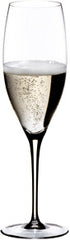
- Profile and serving: fine bubbles, notes of plum and white flowers; serving temperature 6–8 °C


Description
What kind of wine it is
Franciacorta Brigantia Brut Satèn by Le Marchesine is a white wine from Lombardy produced using the Traditional Method with Chardonnay grapes. In the glass, it displays a straw yellow colour with golden highlights and a fine, persistent perlage. On the nose, aromas of plum and white flowers emerge, accompanied by a delicate mineral note. On the palate, it reveals a full-bodied sip and a pleasant savouriness, well integrated into a structured and balanced flavour profile.
Where it comes from
This wine originates in Lombardy, in Passirano, at the heart of Franciacorta. The Le Marchesine winery manages its own vineyards, enhancing the expression of the local terroir. Ageing takes place in spacious underground cellars, designed to provide a quiet and ideal resting environment. The use of temperature-controlled rooms ensures consistent maturation, which is essential to preserve and enhance the aromatic characteristics of the Chardonnay.
How it is produced
Production begins with manual harvesting, followed by a very slow and gentle pressing of whole bunches. Fermentation and the initial resting period take place in small oak barrels, giving aromatic purity and structure to the base wine. The prise de mousse then follows, as required by the Traditional Method. The process concludes with ageing on the lees for at least thirty-six months, giving the Chardonnay an elegant perlage, great harmony and pronounced sensory complexity.
History and Curiosities
Founded in 1985 by the Biatta family, the Le Marchesine winery preserves the legacy of five generations of winegrowers. Under the supervision of oenologist Jean Pierre Valade, Franciacorta Brigantia Satèn is produced according to the principles of the Traditional Method, undergoing a slow 36-month maturation on the lees in 2,500 square metres of underground cellars. Resting at a constant temperature of 12–14 °C, the wine obtained from the 51 hectares of vineyards in Lombardy develops its unmistakable elegance and refinement, becoming a symbol of local excellence.
Tasting notes

Perlage
Perfume

Color
Taste
Serve at:
06 - 08 °C
Longevity:
05 - 10 years
- Start up year: 1985
- Oenologist: Jean Pierre Valade
- Bottles produced: 425.000
- Hectares: 51


| Name | Le Marchesine Franciacorta Brigantia Brut Saten Millesimato 2022 |
|---|---|
| Type | White brut |
| Denomination | Franciacorta DOCG |
| Vintage | 2022 |
| Size | 0,75 l |
| Alcohol content | 13.0% by volume |
| Grape varieties | 100% Chardonnay |
| Country | Italy |
| Region | Lombardy |
| Vendor | Le Marchesine |
| Story | History and Curiosities Founded in 1985 by the Biatta family, the Le Marchesine winery preserves the legacy of five generations of winegrowers. Under the supervision of oenologist Jean Pierre Valade, Franciacorta Brigantia Satèn is produced according to the principles of the Traditional Method, undergoing a slow 36-month maturation on the lees in 2,500 square metres of underground cellars. Resting at a constant temperature of 12–14 °C, the wine obtained from the 51 hectares of vineyards in Lombardy develops its unmistakable elegance and refinement, becoming a symbol of local excellence. |
| Origin | Passirano (BS) |
| Harvest | Hand-picked in small crates, with very slow and gentle pressing of whole bunches. |
| Production technique | Traditional method; hand harvesting in small crates; very slow and gentle pressing of whole bunches; fermentation and maturation in small Allier oak barrels; bottle ageing on the lees for at least 36 months in temperature-controlled rooms (12–14 °C) |
| Wine making | Hand harvesting in small crates, very slow and gentle pressing of whole bunches; fermentation and maturation in small Allier oak barrels; bottling for the prise de mousse according to the Traditional Method (between March and April) and maturation in bottle on the lees for at least 36 months in temperature-controlled cellars (12–14 °C). |
| Aging | Fermentation and maturation in small Allier oak barrels; bottle ageing on the lees for at least 36 months in temperature-controlled rooms (12–14 °C) |
| Total acidity | 6.5 gr/L |
| Dry extract | 20.0 gr/L |
| Allergens | Contains sulphites |