


Larmandier-Bernier
Bernier Champagne 1er Cru Rose de Saignee Extra Brut
| Denomination | AOC Champagne Premier Crus Rosè Extra Brut |
|---|---|
| Size | 0,75 l |
| Alcohol content | 12.5% by volume |
| Area | Champagne region (France) |
| Grape varieties | 90% Pinot Nero, 10% Pinot Grigio |
| Aging | The bottling takes place at the end of July; the wine matures on the lees for almost a year and is then aged in the bottle for at least another 2 years in the cellar, with disgorgement 6 months before being released for sale. |
- Name: Rosé sparkling wine Champagne AOC Premier Cru Extra Brut, 12.5% vol
- Grapes and origin: 90% Pinot Noir, 10% Pinot Gris; sourced from Vertus, Champagne region, France
- Vinification: 2-3 days maceration, indigenous yeasts and traditional method
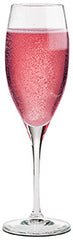
- Tasting notes: fine bubbles; fruity notes from the Pinot and minerality; long and intense persistence
- Pairings: ideal at 6-8°C with aperitifs, sushi, tuna tartare and mature cheeses


Description
What kind of wine is it
Larmandier-Bernier 1er Cru Rosé de Saignée Extra Brut Champagne is an elegant organic rosé produced according to the principles of the Traditional Method. This Premier Cru Champagne is created from a harmonious blend of Pinot Noir and Pinot Gris grapes. In the glass, it displays a fine and refined perlage, introducing a well-structured bouquet. On the nose, the fruity character of the Pinot merges with a pronounced minerality, creating a clear olfactory expression. On the palate, the rich and vibrant bubbles accompany a lively sip that finishes with a long and intense aftertaste.
Where does it come from
This Champagne originates from Vertus, a true expression of the region's terroir. Larmandier-Bernier, a historic family estate, tends its vineyards with total dedication to the faithful expression of the terroir. The vines are cared for using sustainable farming practices, strictly avoiding the use of herbicides. This virtuous viticulture results in a Premier Cru Champagne with a defined style, where the mineral character of the land provides balance and identity, enhancing with every sip the natural vocation of its place of origin.
How is it produced
Vinification follows the rosé de saignée technique, with the grapes macerating on the skins for several days to extract colour and aromatic complexity. Alcoholic fermentation occurs spontaneously with indigenous yeasts in cement vats or eggs, followed by malolactic fermentation. After almost a year resting in the cellar, bottle ageing continues for over two years. The perfect balance of this Extra Brut makes it ideal as an aperitif or to accompany tuna tartare, sushi, shellfish, delicate meats and mature cheeses.
History and Curiosities
Produced in Vertus by the historic family-run maison Larmandier-Bernier, this elegant Champagne embodies the authentic expression of the terroir through meticulous organic viticulture. Its uniqueness lies in the rare rosé de saignée technique, with the grapes gently macerated on the skins to extract intense fruity aromas and a brilliant colour. After patient maturation on the lees, this cuvée offers a vibrant experience, celebrated by prestigious international awards, including 93 points from James Suckling and Vinous.
Awards
-
 93
93/100
James Suckling is an influential American wine critic and journalist who worked at Wine Spectator for 30 years. He left the magazine in 2010 to start his own website and guidebook (JamesSuckling.com). He specialises in Italian and Bordeaux wines.
-
 92
92/100
The prestigious international wine guide from the renowned Robert Parker, the world's most experienced and trusted wine taster.
-
 93
93/100
Vinous is the online guide from Antonio Galloni, one of the world's leading wine connoisseurs.
-
 91
91/100
Wine spectator is the most influential wine guide on the internet.
Tasting notes
Perlage

Perfume
Color
Taste
Serve at:
06 - 08 °C
Longevity:
05 - 10 years
From the beginning of the 20th century, the Larmandiers made Champagnes which very quickly proved their fine qualities. Thus Jules Larmandier and then his son, Philippe Allyre, began to supply the great Parisian restaurants (la Tour d'Argent, Taillevent, Charlot Roi des Coquillages, …).
In 1971, Philippe Larmandier, the grandson of Jules, created with his wife, Elisabeth Bernier, who owned vineyards in Vertus, Larmandiers-Bernier Champagne. Upon the death of her husband in 1982, Elisabeth managed the family estate and developed the sales, particularly in Belgium and Switzerland. In 1988, Pierre, the son of Philippe and Elisabeth, who had just graduated from Nantes Business School, decided to return to the job "which flowed in his veins".
Pierre is striving to refine still further his work in the cellar in order to bring the grapes to the glass in the best possible way, by putting the originality of each terroir first.
In 2002, he bought about ten acres of vines in Vertus. Ten acres in Vertus is already exceptional, but what is perhaps unique in Champagne is the fact that these vines have never known any weed-killer, nor any processed household refuse. The soil is and always has been ploughed. The previous owner, who was taking retirement, knew that the vines would continue to be ploughed.
The estate was awarded one, and then two stars in the guide 'Classement des Meilleurs Vins de France'. Pierre Larmandier was selected by the 'Revue des Vins de France' as 'most promising figure for wine 2002' and 'winegrower of the year 2003' by Bernard Burtschy of GaultMillau. In 'The New France', Andrew Jefford considered that "few winegrowers in Champagne have such an impressive range of Champagnes". Read more


| Name | Larmandier Bernier Champagne 1er Cru Rosè de Saignee Extra Brut |
|---|---|
| Type | Rosé organic classic method sparkling wine extra brut |
| Denomination | Champagne AOC |
| Size | 0,75 l |
| Alcohol content | 12.5% by volume |
| Grape varieties | 90% Pinot Nero, 10% Pinot Grigio |
| Country | France |
| Region | Champagne region |
| Vendor | Larmandier-Bernier |
| Story | History and Curiosities Produced in Vertus by the historic family-run maison Larmandier-Bernier, this elegant Champagne embodies the authentic expression of the terroir through meticulous organic viticulture. Its uniqueness lies in the rare rosé de saignée technique, with the grapes gently macerated on the skins to extract intense fruity aromas and a brilliant colour. After patient maturation on the lees, this cuvée offers a vibrant experience, celebrated by prestigious international awards, including 93 points from James Suckling and Vinous. |
| Origin | Vertus, Champagne, France |
| Production technique | Rosé de saignée (maceration on the skins 2–3 days), traditional method |
| Wine making | A technique rarely used in Champagne: selected Pinot grapes are sorted on a sorting table, partially destemmed and macerated for 2–3 days (saignée). This is followed by natural alcoholic fermentation with indigenous yeasts in tanks or concrete eggs, malolactic fermentation and maturation on the lees for almost a year; bottling at the end of July and further ageing in bottle for at least another 2 years, with disgorgement 6 months before release. |
| Aging | The bottling takes place at the end of July; the wine matures on the lees for almost a year and is then aged in the bottle for at least another 2 years in the cellar, with disgorgement 6 months before being released for sale. |
| Allergens | Contains sulphites |