


La Valentina
Cerasuolo d'Abruzzo 2025
| Denomination | DOC Cerasuolo d'Abruzzo |
|---|---|
| Size | 0,75 l |
| Alcohol content | 13.5% by volume |
| Area | Abruzzo (Italy) |
| Grape varieties | 100% Montepulciano |
| Aging | Aged in steel, with natural stabilisation and bottling carried out from mid-January. |
- Name and vintage: Cerasuolo d’Abruzzo DOC 2025, organic still rosé wine
- Grapes and alcohol content: 100% Montepulciano, 13.5% alcohol by volume
- Vinification in steel: 18-hour maceration on the skins, saignée and slow fermentation
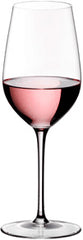
- Aromas and colour: Bright cherry pink, notes of cherry, pomegranate and violet
- Serving and pairings: 10-12 °C, ideal for aperitifs, delicate fish, white meats and cheeses


Description
What kind of wine it is
The Cerasuolo d’Abruzzo from La Valentina is an organic rosé wine that expresses the pure character of Montepulciano grapes. Within the renowned Cerasuolo d’Abruzzo denomination, it stands out visually for its brilliant cherry-pink colour. On the nose, it offers an elegant and defined bouquet, where delicate hints of violet blend harmoniously with crisp notes of cherry and pomegranate. The palate reveals a light and balanced structure, supported by a lively acidity that ensures great smoothness. The finish is clean, pleasantly savoury and accompanied by consistent fruity returns.
Where it comes from
This wine originates from the hills of Spoltore, in the province of Pescara, where the La Valentina winery cultivates its vineyards using sustainable farming practices. The vines, trained with the traditional Abruzzo pergola system, grow on medium-textured clay soils, enjoying optimal exposure to the south and south-west. The rows, positioned at an altitude between one hundred and fifty and three hundred metres above sea level, benefit from a microclimate that favours ideal ripening of the grapes. This specific terroir imparts a delicate minerality to the wine, enhancing its gustatory tension and deep territorial character.
How it is produced
The harvest takes place between mid-September and mid-October, carefully selecting the Montepulciano bunches to ensure clear aromatic precision. In the winery, there is a skin maceration lasting about eighteen hours, followed by saignée of the must and a slow fermentation at controlled temperature. The subsequent ageing in steel fully preserves the elegance and freshness of the fruit, completed by natural stabilisation. Bottling seals a linear and taut rosé, characterised by a clean finish with not overly long persistence.
History and Curiosities
Founded in 1990 on the hills of Spoltore, the La Valentina winery produces an organic Cerasuolo d’Abruzzo DOC from 100% Montepulciano grapes grown using the Abruzzo pergola system. Under the guidance of oenologist Luca D’Attoma, the grapes undergo an 18-hour skin maceration and a slow fermentation in steel at a controlled temperature. This meticulous process, combined with ageing and natural stabilisation, preserves the elegant freshness of a rosé that faithfully embodies the authentic soul of the region.
Tasting notes

Perfume

Color

Taste
Serve at:
10 - 12 °C
Longevity:
03 - 05 years
- Start up year: 1990
- Oenologist: Luca D'Attoma
- Bottles produced: 370.000
- Hectares: 40
Our wines are the natural products of our own terroir – our unique combination of terrain and soil – which we try to convey to every bottle and which is the secret of our original taste. The local micro-climate and the land itself, to which our vines are bound and so well-adapted, give us wines of unique and distinctive character. We are convinced that a fine wine is born from the sum of countless tiny details, so our objective must not only be to consistently produce fine wines, but also to make sure that they are and will always remain authentic. Read more


| Name | La Valentina Cerasuolo d'Abruzzo 2025 |
|---|---|
| Type | Rosé organic still |
| Denomination | Cerasuolo d'Abruzzo DOC |
| Vintage | 2025 |
| Size | 0,75 l |
| Alcohol content | 13.5% by volume |
| Grape varieties | 100% Montepulciano |
| Country | Italy |
| Region | Abruzzo |
| Vendor | La Valentina |
| Story | History and Curiosities Founded in 1990 on the hills of Spoltore, the La Valentina winery produces an organic Cerasuolo d’Abruzzo DOC from 100% Montepulciano grapes grown using the Abruzzo pergola system. Under the guidance of oenologist Luca D’Attoma, the grapes undergo an 18-hour skin maceration and a slow fermentation in steel at a controlled temperature. This meticulous process, combined with ageing and natural stabilisation, preserves the elegant freshness of a rosé that faithfully embodies the authentic soul of the region. |
| Origin | Spoltore (PE) |
| Soil composition | Medium-textured clay |
| Cultivation system | Pergola abruzzese |
| Plants per hectare | 1600-2000 |
| Yield per hectare | 85 hl/ha |
| Harvest | Between mid-September and mid-October |
| Fermentation temperature | At a low controlled temperature |
| Production technique | Maceration with the skins for about 18 hours, bleeding of the must and slow fermentation at a controlled low temperature in steel |
| Wine making | Maceration with the skins for about 18 hours, bleeding of the must and slow fermentation at a low controlled temperature in stainless steel; maturation in stainless steel with natural stabilisation and bottling from mid-January. |
| Aging | Aged in steel, with natural stabilisation and bottling carried out from mid-January. |
| Allergens | Contains sulphites |