


Cantina Kurtatsch
Sauvignon 2025
| Denomination | DOC Alto Adige Sauvignon |
|---|---|
| Size | 0,75 l |
| Alcohol content | 13.0% by volume |
| Area | Trentino Alto Adige (Italy) |
| Grape varieties | 100% Sauvignon |
| Aging | Maturation on fine lees in stainless steel |
- Identity: 100% Sauvignon Blanc, Alto Adige DOC 2025, 13% vol, 0.75 l bottle
- Terroir: Vineyards in Cortaccia between 450 and 600 metres, dolomitic-limestone soils
- Vinification: Cold maceration, controlled fermentation and maturation in steel
- Aromas: Notes of peach, citrus, elderflower, sage and spring flowers; straw yellow colour
- Taste and pairings: Dry, juicy and mineral; ideal with aperitifs, asparagus and fish dishes


Description
What kind of wine it is
Kurtatsch Sauvignon Blanc is a still white wine with controlled designation of origin that expresses the authenticity of the Alto Adige region. Produced by Kurtatsch from Sauvignon Blanc grapes and vinified in steel, it stands out for its balanced and elegant style, with a medium-full body and a streamlined texture. The aromatic profile offers intense scents of peach and citrus, enriched by hints of elderflower, sage, and delicate spring flowers. On the palate, it is dry and juicy, driven by lively freshness and a pronounced mineral imprint. The sip finishes with a tense, chalky, and saline finish, providing a pleasant persistence of flavour.
Where it comes from
The Sauvignon Blanc grapes originate in the Cortaccia area, grown on steep slopes between 450 and 600 metres above sea level, with an ideal east and south-east exposure. The deep soils have a rich dolomitic-limestone matrix, with gravel, sand, and stony components that ensure optimal drainage for the roots. The climate is influenced by alpine currents and refreshing evening breezes, elements that create a marked daily temperature range. These natural conditions define a heroic viticulture capable of enhancing the lively acidity and clear aromatic definition typical of limestone soils.
How it is produced
The process begins with careful harvesting of the bunches, followed by a cold maceration in the press to delicately extract the aromatic profile. Fermentation takes place at a controlled temperature in stainless steel tanks, thus preserving maximum olfactory clarity. Subsequently, the wine matures on the fine lees in steel containers; this technical choice gives the palate a light and silky texture, without the use of barrels. This approach allows the peculiarities of the Sauvignon Blanc grape to remain intact, ensuring a dry and juicy texture of great purity.
History and Curiosities
Founded in 1900, Cantina Kurtatsch is a historic cooperative in South Tyrol that has succeeded in enhancing the value of Sauvignon Blanc, introduced from Bordeaux at the end of the nineteenth century. In the warm plains, it struggled to express itself, but it found its true calling on the steep slopes of Cortaccia at an altitude of 500-600 metres. In this dolomitic-limestone terroir, refreshed by evening breezes, the grapes acquire an innate elegance. The result of heroic viticulture, the wine faithfully expresses the essence of the territory.
Tasting notes
Perfume

Color
Taste
Serve at:
10 - 12 °C
Longevity:
03 - 05 years
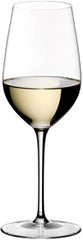
- Start up year: 1900
- Oenologist: Erwin Carli
- Bottles produced: 1.600.000
- Hectares: 190
Outstanding wine is made in the vineyard. That’s why we consider our members – who do the vineyard work – to be the protagonists. For generations, they have cultivated a special connection to their vineyards, and know every single grapevine. This invaluable knowledge, paired with the small structure of our winery, offers the best prerequisites for the production of unique, characterful wines.
Thanks to the 190 small-structured family farms that cultivate 190 hectares of vineyards in a sustainable way, we are able to select the best grape material for each individual location.
We, together with our 190 members, have committed ourselves to producing nature-oriented wines through a comprehensive policy of sustainibility. The goal: sustainability in all areas – from the work in the vineyard through to the final product. During the year, we are in continuous exchange with our members to advise and support. Sustainibility is also a topic in the cellars: continuing education and optimizing guarantee sustainably designed work methods. Read more


| Name | Kurtatsch Sauvignon Blanc 2025 |
|---|---|
| Type | White still |
| Denomination | Alto Adige DOC |
| Vintage | 2025 |
| Size | 0,75 l |
| Alcohol content | 13.0% by volume |
| Grape varieties | 100% Sauvignon |
| Country | Italy |
| Region | Trentino Alto Adige |
| Vendor | Cantina Kurtatsch |
| Story | History and Curiosities Founded in 1900, Cantina Kurtatsch is a historic cooperative in South Tyrol that has succeeded in enhancing the value of Sauvignon Blanc, introduced from Bordeaux at the end of the nineteenth century. In the warm plains, it struggled to express itself, but it found its true calling on the steep slopes of Cortaccia at an altitude of 500-600 metres. In this dolomitic-limestone terroir, refreshed by evening breezes, the grapes acquire an innate elegance. The result of heroic viticulture, the wine faithfully expresses the essence of the territory. |
| Origin | Cortaccia (Bolzano), Alto Adige, Italia |
| Climate | Ventilated slopes with refreshing evening breezes, strong daily temperature range and alpine influence |
| Soil composition | Dolomitic-calcareous, deep and gravelly soils |
| Yield per hectare | 75 hl/ha |
| Production technique | Cold maceration in the press; temperature-controlled fermentation in stainless steel; ageing on fine lees in stainless steel |
| Wine making | Cold maceration; fermentation at controlled temperature in stainless steel; ageing on fine lees in stainless steel. |
| Aging | Maturation on fine lees in stainless steel |
| Total acidity | 5.8 gr/L |
| Residual sugar | 2.1 gr/L |
| Allergens | Contains sulphites |