


Jermann
Vintage Tunina 2023
| Denomination | IGT Venezia Giulia |
|---|---|
| Size | 0,75 l |
| Alcohol content | 12.5% by volume |
| Area | Friuli-Venezia Giulia (Italy) |
| Grape varieties | Chardonnay, Malvasia bianca, Ribolla Gialla, Sauvignon |
| Aging | Partly aged in 80-hectolitre wooden barrels and partly in steel, where it matures for 9 months before bottling; further refinement in the bottle for about 7 months. |
- Blend 2023: Chardonnay, Sauvignon, Ribolla Gialla and Malvasia Bianca
- Vinification: Fermentation in steel and 80 hl wooden barrels; 9 months of ageing plus 7 in bottle
- Aroma: Intense and elegant, with persistent notes of honey and wildflowers
- Taste: Dry, smooth and harmonious, with full body and long persistence
- Pairings: Serve at 10-12 °C; first courses with truffle, baked fish, white meats, cheeses


Description
What kind of wine it is
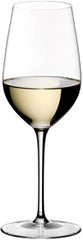
Vintage Tunina by Jermann combines Chardonnay, Sauvignon Blanc, Ribolla Gialla and Malvasia Bianca in a territorial blend of great elegance. In the glass, it appears a bright straw yellow with luminous golden highlights, releasing an intense and broad aroma with hints of honey and wildflowers. On the palate, it is dry, smooth and very harmonious, supported by a full body and a long finish. It is an ideal meditation wine, perfect for accompanying truffle-based first courses, cheese selections and baked fish.
Where it comes from
The vines take root in the area of Dolegna del Collio, in the Venezia Giulia region. The soil consists of marl and sandstone of Eocene origin, a rocky substrate that creates the typical Friulian ponca. The vineyards are cultivated using the Guyot-Cappuccina system on well-exposed hillsides. The wine's name pays homage to the ancient owner of the land, Casanova's beloved Antonia, known as Tunina, enriching the tasting experience with an authentic and fascinating historical heritage.
How it is produced
The vinification is designed to balance freshness and complexity, skilfully dividing fermentation between stainless steel containers and wooden barrels. The wine then matures for nine months, completing its evolution with a careful bottle ageing of about seven months. This meticulous production process perfectly integrates every aromatic component, resulting in a wine with an enveloping texture, best appreciated at a serving temperature between ten and twelve degrees.
History and Curiosities
Created in the 1970s, the renowned Jermann Vintage Tunina owes its name to the vineyard’s former owner, known for being Casanova’s poorest Venetian lover. Described by Luigi Veronelli as “the Mennea of Italian wines”, this refined white blend skilfully combines Chardonnay, Sauvignon, Ribolla Gialla and Malvasia. Historically multi-award-winning and celebrated by critics as a true meditation wine, it has the power to deeply inspire those who taste it, transforming every glass into a fascinating journey through Friulian excellence.
Awards
-
2023
 5
5Italian Sommelier Foundation (FIS) guide This has been one of the most prestigious wine guides in Italy for over 10 years.
-
2023
 94
94/100
James Suckling is an influential American wine critic and journalist who worked at Wine Spectator for 30 years. He left the magazine in 2010 to start his own website and guidebook (JamesSuckling.com). He specialises in Italian and Bordeaux wines.
Tasting notes
Perfume

Color

Taste
Serve at:
10 - 12 °C
Longevity:
05 - 10 years
- Start up year: 1881
- Oenologist: Luca Belluzzo
- Bottles produced: 1.500.000
- Hectares: 180
1930-1940: Angelo Jermann, who is 93 today, not only continues the family's grape-growing tradition but also keeps livestock and transforms Jermann into an all-around, successful farm.
1971-1973: Silvio Jermann, son to Angelo and Bruna and an enology graduate of both Conegliano and San Michele, revolutionizes the Jermann winery after a research sabbatical overseas, creating Vintage Tunina.
1975: Official release of Vintage Tunina, which fast achieves cult status and effectively launches Jermann's new course.
07/07/2007: Silvio inaugurates a second Jermann winery: Ruttars. Read more


| Name | Jermann Vintage Tunina 2023 |
|---|---|
| Type | White still |
| Denomination | Venezia Giulia IGT |
| Vintage | 2023 |
| Size | 0,75 l |
| Alcohol content | 12.5% by volume |
| Grape varieties | Chardonnay, Malvasia bianca, Ribolla Gialla, Sauvignon |
| Country | Italy |
| Region | Friuli-Venezia Giulia |
| Vendor | Jermann |
| Story | History and Curiosities Created in the 1970s, the renowned Jermann Vintage Tunina owes its name to the vineyard’s former owner, known for being Casanova’s poorest Venetian lover. Described by Luigi Veronelli as "the Mennea of Italian wines", this refined white blend skilfully combines Chardonnay, Sauvignon, Ribolla Gialla and Malvasia. Historically multi-award-winning and celebrated by critics as a true meditation wine, it has the power to deeply inspire those who taste it, transforming every glass into a fascinating journey through Friulian excellence. |
| Origin | Dolegna del Collio (GO) |
| Soil composition | Predominantly marls and sandstones belonging to the flysch formation of Eocene age, which give rise to a rocky substrate that, through transformation, forms the characteristic "ponca" of our mainly hilly geographical area. |
| Cultivation system | Guyot-Cappuccina |
| Plants per hectare | 6000-7000 |
| Yield per hectare | 40–60 quintals per hectare |
| Production technique | Fermentation partly in 80-hectolitre wooden barrels and partly in steel |
| Wine making | Part of the fermentation is carried out in 80-hectolitre wooden barrels and part in steel. |
| Aging | Partly aged in 80-hectolitre wooden barrels and partly in steel, where it matures for 9 months before bottling; further refinement in the bottle for about 7 months. |
| Total acidity | 5.4 gr/L |
| Allergens | Contains sulphites |