


Jacques Rousseaux
Champagne Grand Cru Rosè de Saignèe Extra Brut
| Denomination | AOC Champagne Grand Crus Rosè Extra Brut |
|---|---|
| Size | 0,75 l |
| Alcohol content | 12.5% by volume |
| Area | Champagne region (France) |
| Grape varieties | Chardonnay, Pinot Nero |
- Grand Cru Origin: Verzenay (Champagne), produced by Jacques Rousseaux, independent winegrower
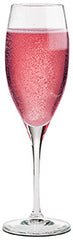
- Rosé de saignée style: traditional method with bleeding, onion skin pink colour
- Extra Brut dosage: dry and lively flavour, residual sugars of 3.5 g/l
- Fruity and spicy aromas: notes of blackcurrant, raspberry, cherry, grapefruit and mint
- Recommended pairings: fish, shellfish, seafood risottos, cheeses and starters


Description
What kind of wine it is
The Champagne Grand Cru Rosé de Saignée Extra Brut is a creation by Jacques Rousseaux, crafted according to the Traditional Method. This rosé produced by the saignée method stands out for its onion skin pink colour and a fine, persistent perlage. The combination of Pinot Noir and Chardonnay gives it a well-defined structure, while the Extra Brut dosage ensures a dry and vibrant profile. On the palate, it is rich and dynamic, with a harmonious balance that leads to an aromatic and highly enjoyable finish.
Where it comes from
This wine originates from the vineyards of Verzenay, a renowned village classified as Grand Cru. Jacques Rousseaux works here as an independent winemaker, adopting an agronomic approach based on organic and sustainable practices to protect the ecosystem. Such meticulous care guarantees high-quality grapes, capable of expressing in the glass the authentic identity and distinctive character that define Champagne from this prestigious region.
How it is produced
The winemaking process uses the saignée technique to extract colour and substance from the Pinot Noir skins, which is then blended in a balanced blend with Chardonnay. The bouquet reveals aromas of blackcurrant, raspberry and cherry, enriched by hints of grapefruit, pomegranate and peppermint. On the palate, the freshness precisely recalls the spicy notes. It is an ideal choice to accompany seafood risottos, shellfish and refined cheese selections.
History and Curiosities
Crafted by the independent winemaker Jacques Rousseaux in Verzenay, this exquisite Champagne Grand Cru embodies the essence of the most authentic artisanal tradition. The historic Rosé de Saignée technique, achieved through bleeding, masterfully enhances the Pinot Noir and Chardonnay, cultivated according to strict organic and sustainable principles. This non-vintage Extra Brut combines vibrant freshness with a seductive spicy bouquet, offering a persistent and aromatic finish, perfect for accompanying shellfish and enriching your most special moments.
Tasting notes
Perlage

Perfume

Color
Taste
Serve at:
06 - 08 °C
Longevity:
05 - 10 years
In Champagne the numerous vine growers cultivated their vines throughout the year and sold their harvest to the trade houses. Paul Rousseaux, born in 1884, followed a project shared with numerous other vine growers: produce his own champagne and market it himself (in 1999 we tasted the contents of one of these bottles, the wine was still fresh, with the color of old gold).
Paul had two children, Pierre and Michel. Pierre married Charlotte Degouy and they continued to cultivate the vineyards and to make their champagne, despite the conflicts that devastated Europe and our region during this period. They had four children: Jacques, Anne-Marie, Luc and Dominique. And today... Jacques, the eldest son, continues to cultivate the vineyards of the family, who trust in him. With his wife, Bernadette, they have developed their market during 30 years. Since January 2001 Céline and Eric, two of their three children, welcome you at the house of Jacques Rousseaux at Verzenay. Read more


| Name | Jacques Rousseaux Champagne Grand Cru Rosè de Saignee Extra Brut |
|---|---|
| Type | Rosé green classic method sparkling wine extra brut |
| Denomination | Champagne AOC |
| Size | 0,75 l |
| Alcohol content | 12.5% by volume |
| Grape varieties | Chardonnay, Pinot Nero |
| Country | France |
| Region | Champagne region |
| Vendor | Jacques Rousseaux |
| Story | History and Curiosities Crafted by the independent winemaker Jacques Rousseaux in Verzenay, this exquisite Champagne Grand Cru embodies the essence of the most authentic artisanal tradition. The historic Rosé de Saignée technique, achieved through bleeding, masterfully enhances the Pinot Noir and Chardonnay, cultivated according to strict organic and sustainable principles. This non-vintage Extra Brut combines vibrant freshness with a seductive spicy bouquet, offering a persistent and aromatic finish, perfect for accompanying shellfish and enriching your most special moments. |
| Origin | Verzenay, Champagne, France |
| Production technique | Classic method (traditional method) rosé de saignée (obtained by bleeding) |
| Wine making | Traditional method (classic method) rosé de saignée (obtained by bleeding). |
| Residual sugar | 3.5 gr/L |
| Allergens | Contains sulphites |