


Haras De Pirque (Antinori)
Chardonnay 2025
| Denomination | N/A |
|---|---|
| Size | 0,75 l |
| Alcohol content | 13.5% by volume |
| Area | Casablanca Valley (Chile) |
| Grape varieties | 100% Chardonnay |
| Aging | Aged for six months in oak, then blended and bottled. |
- Vintage and grape: 2025, 100% Chardonnay; still Chilean white wine, 0.75 l
- Origin: Casablanca Valley, Chile; maritime climate influenced by ocean breezes
- Vinification: hand-picked, gentle pressing, aged on lees, 6 months in wood
- Aromas: hints of pineapple, orange zest and lychee; herbal notes and a citrus finish
- Pairings: serve at 10–14 °C; ideal with fish, shellfish, white meats and risottos


Description
What kind of wine it is
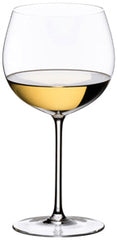
Haras de Pirque Chardonnay Reserva is a Chilean white wine born from the collaboration between the South American estate and Antinori. This expression fully enhances Chardonnay, presenting itself with a pale yellow colour and bright greenish reflections. On the nose, it is complex and precise, with aromas of pineapple, orange peel and lychee intertwined with subtle hints of fresh herbs. On the palate, it is enveloping and savoury, driven by a vibrant freshness that blends with the fruit, ensuring a citrusy and persistent finish every time it is tasted.
Where it comes from
This white wine comes to life in the prestigious Casablanca Valley, a Chilean wine region renowned for its maritime climate. The vineyards are located on north-west facing hills, constantly caressed by the cool breezes of the Pacific Ocean. This marked oceanic influence allows the grapes to ripen slowly and progressively, preserving their acidity and aromatic tension. The surrounding environment, characterised by rich native vegetation, enriches the fruit, giving the wine a pronounced gustatory liveliness and a deep territorial identity.
How it is produced
The production process begins with a careful manual harvest, essential for keeping the grape bunches intact and preserving their aromatic profile. In the winery, gentle pressing is followed by rapid settling of the must. A portion of the liquid undergoes partial fermentation in French oak barrels, giving breadth to the structure. After a period of resting on fine lees, maturation in wood continues for six months. At the end, the different fractions are blended into an elegant final blend, thus completing a harmonious and balanced organoleptic profile.
History and Curiosities
Founded in 1992 at the foot of the Andes, the Haras de Pirque project embodies Chile's genuine winemaking vocation. The prestigious partnership with Marchesi Antinori enhances the excellence of the terroir, resulting in a masterful interpretation of Chardonnay from the Casablanca Valley. The 2025 vintage encapsulates the perfect meeting of international vision and local identity. Caressed by the breezes of the Pacific Ocean, the grapes ripen slowly, developing an elegant profile enriched by the unmistakable balsamic notes imparted by the dense native vegetation.
Tasting notes

Perfume

Color

Taste
Serve at:
12 - 14 °C
Longevity:
03 - 05 years
- Start up year: 1992
- Hectares: 600
The collaboration between Haras de Pirque, a producer of excellence in the area, and Marchesi Antinori stems from the desire to 'explore' the potential of Chile. The wine that has become a symbol of the union between the two wine producers is Albis, the fruit of an international grape, Cabernet Sauvignon, and Carmenere, the Chilean grape par excellence.
Furthermore, the conviction that the Andean wine-growing area of Chile represents a natural habitat for Sauvignon led Marchesi Antinori to start a specific project to produce this extraordinary variety, resulting in the Albaclara wine. Read more


| Name | Haras de Pirque Chardonnay 2025 |
|---|---|
| Type | White still |
| Denomination | N/A |
| Vintage | 2025 |
| Size | 0,75 l |
| Alcohol content | 13.5% by volume |
| Grape varieties | 100% Chardonnay |
| Country | Chile |
| Region | Casablanca Valley |
| Vendor | Haras De Pirque (Antinori) |
| Story | History and Curiosities Founded in 1992 at the foot of the Andes, the Haras de Pirque project embodies Chile's genuine winemaking vocation. The prestigious partnership with Marchesi Antinori enhances the excellence of the terroir, resulting in a masterful interpretation of Chardonnay from the Casablanca Valley. The 2025 vintage encapsulates the perfect meeting of international vision and local identity. Caressed by the breezes of the Pacific Ocean, the grapes ripen slowly, developing an elegant profile enriched by the unmistakable balsamic notes imparted by the dense native vegetation. |
| Origin | Casablanca Valley, Chile |
| Climate | Maritime |
| Yield per hectare | 8,000 kg/hectare |
| Harvest | First and second week of March |
| Production technique | Manual harvest in small crates; gentle pressing with brief decantation; partial fermentation in French oak barriques; brief contact on the lees; ageing for six months in oak, then blending and bottling. |
| Wine making | Hand-picked grapes placed in small crates; gentle pressing with brief settling; part of the must fermented in French oak barriques; brief contact on the lees; aged for six months in oak, then blended and bottled. |
| Aging | Aged for six months in oak, then blended and bottled. |
| Total acidity | 4.65 gr/L |
| PH | 3.29 |
| Residual sugar | 2.2 gr/L |
| Allergens | Contains sulphites |