


Grosjean
Chardonnay 2024
| Denomination | DOC Valle d'Aosta Chardonnay |
|---|---|
| Size | 0,75 l |
| Alcohol content | 12.5% by volume |
| Area | Aosta Valley (Italy) |
| Grape varieties | 100% Chardonnay |
| Aging | Bâtonnage twice a week in November and December; ageing in stainless steel. |
- Origin and grape variety: Valle d’Aosta DOC, 100% Chardonnay, 2024, 0.75 l
- Aromatic profile: flowers, white-fleshed fruit, iodised notes and honeyed nuances
- Taste and colour: straw yellow, fresh, lively and balanced flavour, savoury minerality
- Vinification: in steel with gentle pressing, cold decanting and regular bâtonnage
- Pairings: excellent as an aperitif, with seafood risottos, sea bass and cheeses. Serve at 8-10 °C


Description
What kind of wine it is
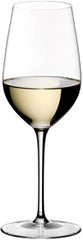
Grosjean's Chardonnay expresses its Alpine character through a bright straw-yellow hue. On the nose, it offers a floral and fruity bouquet, enriched by subtle iodised notes and honeyed nuances. On the palate, the lively attack evolves into a progressively softer structure, supported by a distinct underlying minerality. Fresh and balanced, the Chardonnay is ideal as a classy aperitif or paired with seafood risottos and hard cheeses with intense flavours, such as Provolone del Monaco.
Where it comes from
This wine is born in the heart of the Aosta Valley, between the municipalities of Quart and Jovençan, where the vines grow on very steep slopes in a context of heroic viticulture. The sandy, well-drained soils boast a marked presence of minerals that defines the character of the sip. The Grosjean winery follows strict organic farming practices, having eliminated pesticides since 1975 to protect the land using only natural fertilisers.
How it is produced
At the beginning of September, the selected bunches undergo gentle pressing, followed by cold decantation. The fermentation in steel takes place thanks to indigenous yeasts selected from the estate's vineyards. The wine then matures in the same containers, where frequent bâtonnage on the lees during the autumn enriches its structure. This careful ageing in steel preserves the varietal freshness of the Chardonnay, ensuring a long and persistent drink.
History and Curiosities
The result of heroic viticulture practised on the steep slopes of Quart and Jovençan, this Chardonnay DOC fully embodies the philosophy of the Grosjean winery. Since 1975, the company has forgone the use of insecticides in favour of organic fertilisers, diligently safeguarding the integrity of the Aosta Valley terroir. Vinification with cold settling and regular bâtonnage ensures remarkable longevity. Produced without added sulphites, this refined Alpine white releases extraordinary freshness and a distinctive minerality.
Tasting notes

Perlage
Perfume

Color
Taste
Serve at:
08 - 10 °C
Longevity:
05 - 10 years
- Start up year: 1969
- Oenologist: Hervè Grosjean
- Bottles produced: 14.000
- Hectares: 14
The company is located on the border of the towns of Quart and Saint Christophe, where lie the vineyards of Tzeriat, Rovetta, Creton, Touren in Quart, Tzantè de Wet, lace and Castle Pleod Saint Christophe. The first cultivated vines, in addition to traditional Petit Rouge, were Gamay, Pinot Noir and Petite Arvine, and currently are growing even as the native Fumin, carnelian, pressed and Vuillermin. Cultivation techniques are rooted in respect for the environment since 1975 so it is not handled insecticides and acaricides treatments are carried out rigorously and fertilizing with manure of organic origin.
Read more


| Name | Grosjean Chardonnay 2024 |
|---|---|
| Type | White green still |
| Denomination | Valle d'Aosta DOC |
| Vintage | 2024 |
| Size | 0,75 l |
| Alcohol content | 12.5% by volume |
| Grape varieties | 100% Chardonnay |
| Country | Italy |
| Region | Aosta Valley |
| Vendor | Grosjean |
| Story | History and Curiosities The result of heroic viticulture practised on the steep slopes of Quart and Jovençan, this Chardonnay DOC fully embodies the philosophy of the Grosjean winery. Since 1975, the company has forgone the use of insecticides in favour of organic fertilisers, diligently safeguarding the integrity of the Aosta Valley terroir. Vinification with cold settling and regular bâtonnage ensures remarkable longevity. Produced without added sulphites, this refined Alpine white releases extraordinary freshness and a distinctive minerality. |
| Origin | Comuni di Quart e Jovençan (Aosta) |
| Soil composition | Very sandy, moderately calcareous, very dry on a steep slope (more than 70%). |
| Cultivation system | Guyot |
| Plants per hectare | Approximately 7000 plants per hectare |
| Harvest | First ten days of September |
| Production technique | Vinification in white with gentle pressing, cold settling and fermentation in stainless steel; bâtonnage twice a week (November and December) and ageing in stainless steel; without the addition of sulphites |
| Wine making | White vinification with selected yeasts from the estate's vineyards; gentle pressing for about two hours, cold settling and fermentation in stainless steel; no added sulphites; bâtonnage twice a week in November and December; ageing in stainless steel. |
| Aging | Bâtonnage twice a week in November and December; ageing in stainless steel. |
| Allergens | Contains sulphites |