


Giacomo Borgogno e Figli
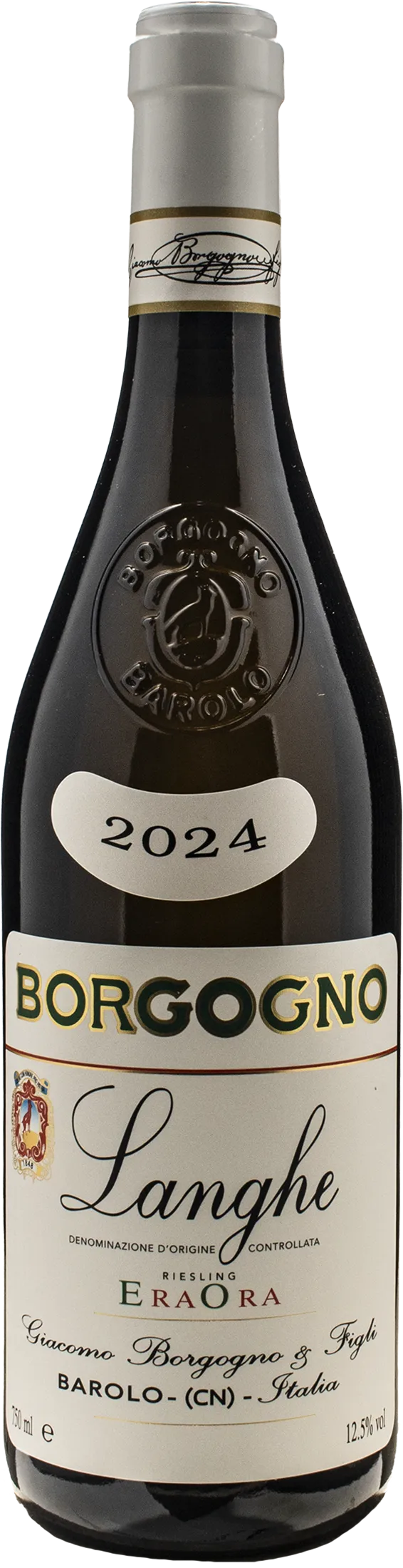
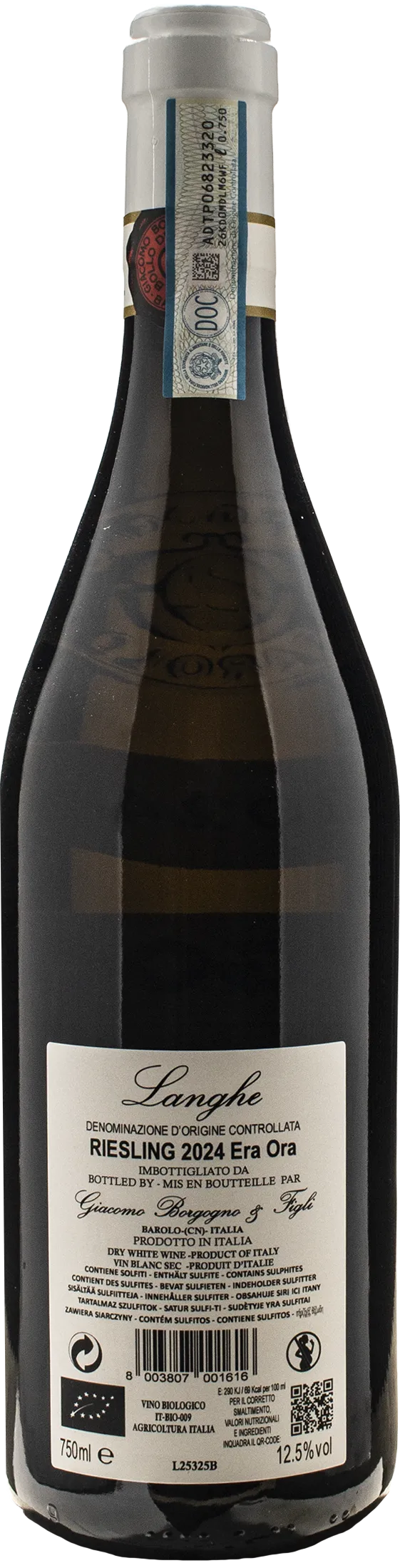
Riesling Era Ora 2024
| Denomination | DOC Langhe Riesling |
|---|---|
| Size | 0,75 l |
| Alcohol content | 12.5% by volume |
| Area | Piedmont (Italy) |
| Grape varieties | 100% Riesling |
| Aging | Aged in stainless steel for 6 months on fine lees, then a further 6 months in stainless steel, followed by 2 months in bottle. |
- Grape variety and designation: 100% Rhine Riesling, Langhe DOC, vintage 2024
- Vinification: spontaneous fermentation with indigenous yeasts and cold maceration
- Ageing: 6 months on fine lees in stainless steel, a further 6 months in stainless steel and 2 months in bottle
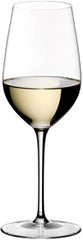
- Tasting profile: straw yellow, yellow fruit and flowers, citrus notes and minerality
- Serving and pairings: 6–8°C, perfect with oysters, sushi, fish and goat's cheese
Description
What kind of wine is it
The Riesling Era Ora by Borgogno is a white wine from Piedmont with the Langhe controlled designation of origin, vinified and matured in steel, representing the eagerly awaited introduction to a range historically dedicated to great reds. Made from Rhine Riesling grapes, it reveals bright straw-yellow hues in the glass. On the nose, it expresses a semi-aromatic profile rich in scents of yellow fruits and flowers, enhanced by a distinctive mineral note in constant evolution. On the palate, it is vertical and balanced, supported by a crisp freshness that leads the sip towards a clear, dry and savoury finish.
Where does it come from
The grapes grow in Madonna di Como, near Alba, in the heart of the Langhe in Piedmont. At an altitude of five hundred metres, the vineyards benefit from an ideal subcontinental climate. The marine sedimentary soils, composed of clay-limestone mixtures and marl rich in limestone, give structure to the wine. The east and south exposure enhances the pronounced mineral character that distinguishes this renowned area.
How is it produced
After manual harvesting, the bunches undergo a cold maceration on the skins to encourage the extraction of primary aromas. The spontaneous fermentation, triggered exclusively by indigenous yeasts, takes place in steel tanks. The subsequent six-month rest on fine lees enriches the organoleptic profile, giving depth and complexity. Thanks to further maturation in steel, Borgogno shapes a vibrant and structured white, characterised by excellent ageing potential.
History and Curiosities
The name “Era Ora” literally means that the time had come for the winery to produce its first white wine, after a long history dedicated to red wines. The choice fell on a variety of great character, with the aim of creating a product with high ageing potential and strong structure.
Tasting notes
Perfume

Color
Taste
Serve at:
10 - 12 °C
Longevity:
03 - 05 years
Decanting time:
1 hour
- Start up year: 1761
- Oenologist: Simone Borsari
- Bottles produced: 250.000
- Hectares: 40
The winery has some interesting records: in 1861, Barolo Borgogno sealed the pact for the birth of Italian unity, and in 1908, it was served to the Tsar of all Russia during a visit to Racconigi.
The turning point came in 1920, when Cesare Borgogno began exporting abroad. However his greatest insight came when he decided to "forget" half of the production of Barolo Riserva in order to sell it 20 years later, realising the great versatility and power of Nebbiolo.
Borgogno is synonymous with slowness: the winery chooses to take its time understanding things and doing them correctly. The vineyards are cared for and attended to with only organic products.
This has resulted in the winery to gain their first Biological harvest.
The decision to plant forest on eight of their 39 hectars is to protect the biodiversity of the Langa fauna from being decimated by the cultivation of vineyards.
Borgogno has a sense of history, tradition, and roots that blend with the innovation of the changing times. Read more


| Name | Giacomo Borgogno Riesling Era Ora 2024 |
|---|---|
| Type | White organic still semi-aromatic |
| Denomination | Langhe DOC |
| Vintage | 2024 |
| Size | 0,75 l |
| Alcohol content | 12.5% by volume |
| Grape varieties | 100% Riesling |
| Country | Italy |
| Region | Piedmont |
| Vendor | Giacomo Borgogno e Figli |
| Story | History and Curiosities The name "Era Ora" literally means that the time had come for the winery to produce its first white wine, after a long history dedicated to red wines. The choice fell on a variety of great character, with the aim of creating a product with high ageing potential and strong structure. |
| Origin | Madonna di Como (Alba) |
| Climate | Subcontinental with variable microclimates influenced by the Alps and the Ligurian Sea |
| Soil composition | Clay-calcareous; sedimentary soils of marine origin (sandstones of Murazzano, Lequio and Diano; Sant'Agata marls) with marls rich in limestone, fine sand and layers of clayey marl |
| Cultivation system | Guyot |
| Plants per hectare | 5,000 |
| Fermentation temperature | 17–18°C |
| Fermentation | About 20 days |
| Production technique | Spontaneous fermentation with indigenous yeasts; cold maceration on the skins |
| Wine making | After the manual harvesting of the grapes, cold maceration for about 3 days on the skins; static decantation in steel; spontaneous fermentation with indigenous yeasts in steel tanks for about 20 days at 17–18°C; ageing in stainless steel for 6 months on fine lees and a further 6 months in steel, then 2 months in bottle. |
| Aging | Aged in stainless steel for 6 months on fine lees, then a further 6 months in stainless steel, followed by 2 months in bottle. |
| Allergens | Contains sulphites |