


Tenuta Ammiraglia - Frescobaldi
Alie Rosè 2025
| Denomination | IGT Toscana |
|---|---|
| Size | 0,75 l |
| Alcohol content | 12.0% by volume |
| Area | Tuscany (Italy) |
| Grape varieties | Syrah, Vermentino |
| Aging | A few months on the fine lees, then ageing in bottle. |
- Origin and format: Still rosé Toscana IGT Maremma, vintage 2025, 0.75 l, 12% vol
- Grape varieties: Blend of Syrah and Vermentino, with a balance between juicy fruit and marine savouriness
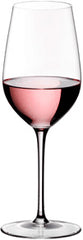
- Aroma and colour: Pale peach pink; aromas of peach, wild strawberries, flowers and pink grapefruit
- Vinification: Gentle pressing, fermentation in steel at <20°C, no malolactic fermentation
- Pairing: Serve at 10–12°C; ideal with appetisers, fish and white meats


Description
What kind of wine it is
Alie Rosé by Frescobaldi is a refined rosé wine with Typical Geographical Indication from Tuscany, the result of a harmonious blend of Syrah and Vermentino fermented in stainless steel. Its sensory profile is distinguished by its smooth drinkability and natural elegance, supported by a distinctive saline undertone. The bouquet offers delicate aromas of peach, wild strawberries and clear citrus notes of pink grapefruit, enhanced by floral nuances. On the palate, the vibrant mineral freshness accompanies a long fruity persistence, delivering an extremely clean and defined sip.
Where it comes from
This rosé is produced at the Ammiraglia Estate, located in the Maremma, along the picturesque Tuscan coast. The Mediterranean climate plays a crucial role: the intense sunshine is constantly tempered by the cool sea breezes from the Tyrrhenian Sea, which give the wine its distinctive savouriness. The vine roots delve into clay-limestone soils rich in stones, a composition that ensures excellent drainage and imparts a pronounced minerality to the structure, reflecting the deep connection with the coastal environment.
How it is produced
The winemaking process involves a direct and gentle pressing of whole bunches in the absence of oxygen, excluding contact with the skins. After the natural settling of the musts, fermentation in stainless steel at a controlled temperature begins. To preserve the lively acidity and aromatic freshness, malolactic fermentation is not carried out. The wine matures for about three months on fine lees, completing its journey with careful final maturation.
History and Curiosities
Born in 2006 at the Tenuta Ammiraglia estate in Maremma, this elegant rosé embodies the Mediterranean vocation of the historic Frescobaldi family. The name pays tribute to the sea nymph Alìe, a symbol of radiant beauty, evoking the winery's deep connection with the coastal breezes. With a winemaking dynasty dating back to the fourteenth century, capable of supplying the prestigious Swedish and Danish royal courts, the company makes the most of the unique clay-limestone soil to impart a vibrant freshness and a refined mineral character to the glass.
Tasting notes

Perfume

Color

Taste
Serve at:
10 - 12 °C
Longevity:
03 - 05 years
It is in this land of Tuscany warmed by the sun and mitigated by the sea breeze that the Tenuta Ammiraglia of the Frescobaldi family was born. It is home to an area of great potential for the production of high quality wines, as well as undoubted natural beauty, so fascinating and still unspoilt.
The estate's signature wine cellar originates from a project by Piero Sartogo and Nathalie Grenon and today represents a temple of design at the service of wine production of the highest quality, with an eye always turned towards respect for the surrounding environment.
Tenuta Ammiraglia in fact means Tuscan wine known throughout the world and produced with great respect for the Tuscan wine-making tradition, without ever forgetting innovation and attention to the future of the sector. Read more


| Name | Frescobaldi Tenuta Ammiraglia Alie Rosè 2025 |
|---|---|
| Type | Rosé still |
| Denomination | Toscana IGT |
| Vintage | 2025 |
| Size | 0,75 l |
| Alcohol content | 12.0% by volume |
| Grape varieties | Syrah, Vermentino |
| Country | Italy |
| Region | Tuscany |
| Vendor | Tenuta Ammiraglia - Frescobaldi |
| Story | History and Curiosities Born in 2006 at the Tenuta Ammiraglia estate in Maremma, this elegant rosé embodies the Mediterranean vocation of the historic Frescobaldi family. The name pays tribute to the sea nymph Alìe, a symbol of radiant beauty, evoking the winery's deep connection with the coastal breezes. With a winemaking dynasty dating back to the fourteenth century, capable of supplying the prestigious Swedish and Danish royal courts, the company makes the most of the unique clay-limestone soil to impart a vibrant freshness and a refined mineral character to the glass. |
| Origin | Maremma (Tuscan coast), Tuscany, Italy |
| Climate | Maritime Mediterranean |
| Soil composition | Clay-limestone with an abundant rocky skeleton (stones of various sizes) |
| Harvest | From the vineyard to the cellar, attention to detail is essential. Once harvested, the grapes are transported to the cellar promptly in order not to spoil or damage the bunches. |
| Fermentation temperature | Below 20 °C |
| Production technique | Gentle direct pressing (soft crushing) of whole bunches in the absence of oxygen and without maceration; fermentation in stainless steel at a controlled temperature; without malolactic fermentation |
| Wine making | Gentle pressing of whole bunches in the absence of oxygen (without maceration); settling of the musts for at least 12 hours; fermentation in stainless steel tanks at a controlled temperature below 20°C; no malolactic fermentation; ageing on fine lees followed by a period in bottle. |
| Aging | A few months on the fine lees, then ageing in bottle. |
| Allergens | Contains sulphites |