


Fernando de Castilla
Sherry PX Pedro Ximenez
| Denomination | DO Jerez-Xeres-Sherry |
|---|---|
| Size | 0,75 l |
| Alcohol content | 15.0% by volume |
| Area | Andalusia (Spain) |
| Grape varieties | 100% Pedro Ximenez |
| Aging | Ageing and maturation in the traditional Solera and Criaderas system in oak casks, with an average age of around 8-10 years |
- Andalusian origin: Sweet wine produced in Jerez de la Frontera, Jerez-Xeres-Sherry denomination
- Grapes and style: Made from 100% sun-dried Pedro Ximenez grapes, liqueur-like character and very sweet
- Solera ageing: Solera and Criaderas method in oak barrels, average age 8-10 years
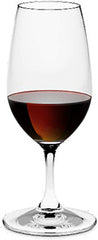
- Aroma and taste: Dark mahogany colour, notes of raisins, figs, coffee, velvety texture
- Serving and pairings: At 12-16°C; ideal with dark chocolate and blue cheeses


Description
What kind of wine it is
Fernando de Castilla Sherry PX Pedro Ximenez is a prestigious Andalusian sweet fortified wine, a distinguished representative of the Jerez-Xeres-Sherry denomination. Made from Pedro Ximenez grapes, it boasts a dark mahogany colour and clear aromas of raisins, figs and coffee. On the palate, it displays a velvety texture, offering a dense and enveloping sip. The high sweetness is balanced by a vibrant freshness that ensures a long, never cloying finish. Bottled without filtration, it expresses the authentic character of the grape variety and pairs perfectly with blue cheeses or dark chocolate.
Where it comes from
This wine originates from Jerez de la Frontera, in the heart of Andalusia. The region’s warm climate is constantly tempered by the Atlantic Ocean: humid winds cool the vineyards at night, encouraging the development of flor on the grape skins. The vines sink their roots into albariza, a white, chalky soil that absorbs rainwater and then forms a crust on the surface, essential for retaining moisture underground. In this unique environment, Fernando de Castilla cultivates its grapes, translating the Andalusian climate into extraordinary aromatic complexity.
How it is produced
Production begins with sun-drying the Pedro Ximenez grapes to naturally concentrate their sugars. After pressing, a brief fermentation is started and then halted by fortification with grape spirit, thus preserving a high residual sugar content. Ageing continues in oak barrels following the historic Solera and Criaderas method. This system organises a continuous blend through fractional transfers, drawing from the oldest casks to maintain a consistent identity. Each batch is carefully assessed to ensure optimal prolonged maturation.
History and Curiosities
Produced in Andalusia, in Jerez de la Frontera, this fortified wine showcases the excellence of Bodegas Rey Fernando de Castilla. Thanks to the Atlantic breezes, the Pedro Ximenez grapes benefit from a microclimate ideal for the development of the precious flor. Centuries-old tradition is renewed in the Solera and Criaderas system, where skilful transfers in ancient barrels ensure an average ageing of eight to ten years. From this artisanal and meticulous care comes an opulent sweet Sherry, capable of enchanting the palate with its velvety texture.
Awards
-
 93
93/100
The prestigious international wine guide from the renowned Robert Parker, the world's most experienced and trusted wine taster.
-
 93
93/100
Wine spectator is the most influential wine guide on the internet.
Tasting notes

Perfume

Color

Taste
Serve at:
10 - 12 °C
Longevity:
10 - 15 years
- Start up year: 1972
- Oenologist: Maribel Vergara
Only brandies of the highest categories of the D.O., namely Solera Reserva and Solera Gran Reserva are made. Bodegas Rey Fernando de Castilla is a funding member of the D.O. Brandy de Jerez. The aim of Bodegas Rey Fernando de Castilla has always been to offer the very best products from the sherry district presented in an elegant and contemporary way. Read more


| Name | Fernando de Castilla Sherry PX Pedro Ximenez |
|---|---|
| Type | White green fortified wine dessert wine |
| Denomination | Jerez-Xeres-Sherry DO |
| Size | 0,75 l |
| Alcohol content | 15.0% by volume |
| Grape varieties | 100% Pedro Ximenez |
| Country | Spain |
| Region | Andalusia |
| Vendor | Fernando de Castilla |
| Story | History and Curiosities Produced in Andalusia, in Jerez de la Frontera, this fortified wine showcases the excellence of Bodegas Rey Fernando de Castilla. Thanks to the Atlantic breezes, the Pedro Ximenez grapes benefit from a microclimate ideal for the development of the precious flor. Centuries-old tradition is renewed in the Solera and Criaderas system, where skilful transfers in ancient barrels ensure an average ageing of eight to ten years. From this artisanal and meticulous care comes an opulent sweet Sherry, capable of enchanting the palate with its velvety texture. |
| Origin | Jerez de la Frontera, Andalusia, Spain |
| Climate | Hottest climate in Spain, influenced by the proximity to the Atlantic Ocean; damp westerly winds cool down the land and vines at night and favour the formation of flor |
| Soil composition | Albariza (white, chalky soil that absorbs scarce rainfall and forms a surface crust that reduces evaporation) |
| Fermentation | 8 days |
| Production technique | Solera and Criadera method (fractional addition of young wine in tiered barrels, with withdrawal of up to a third from the oldest barrels) |
| Wine making | After harvesting, the grapes are crushed and subjected to rapid alcoholic fermentation (about 8 days), followed by malolactic fermentation; then mutage is carried out by adding wine distillate to stop fermentation and retain residual sugars. Ageing and maturation take place according to the traditional Solera and Criaderas method in oak barrels, with selection by the cellar master based on the thickness of the flor; the wine is unfiltered. |
| Aging | Ageing and maturation in the traditional Solera and Criaderas system in oak casks, with an average age of around 8 0 years |
| Residual sugar | 500.0 gr/L |
| Allergens | Contains sulphites |