


Emilio Hidalgo
Sherry Pedro Ximenez CZ
| Denomination | DO Jerez-Xeres-Sherry |
|---|---|
| Size | 0,75 l |
| Alcohol content | 15.0% by volume |
| Area | Andalusia (Spain) |
| Grape varieties | 100% Pedro Ximenez |
| Aging | Ageing using the Soleras and Criaderas system (periodic transfer from younger barrels to older barrels). |
- Denomination of origin: Jerez-Xeres-Sherry, Andalusia (Jerez de la Frontera)
- Grape variety: 100% Pedro Ximenez from late harvest, high sugar concentration
- Aromas: raisins and dates, dried fruit, toasted wood and sweet spices
- Ageing: soleras and criaderas method; partially filled barrels and indigenous yeasts (flor)
- Serving and technical data: 15% vol, 0.75 l; 10–12 °C, ideal with rich desserts and cheeses


Description
What kind of wine is it
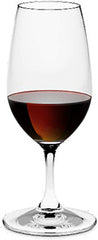
Emilio Hidalgo Sherry Pedro Ximenez CZ is a sweet fortified Spanish wine made from Pedro Ximenez grapes. In the glass, it displays a dark, bright mahogany colour, which anticipates aromas of dried fruit and toasted wood, enriched by hints of vanilla and star anise. On the palate, it reveals an enveloping sweetness with notes of date and a pronounced concentration of raisins. The viscous texture perfectly balances the residual sugar, leading to an extremely persistent finish. This Sherry is an excellent dessert wine, ideal paired with cheese or a chocolate and dried fruit tart.
Where does it come from
This wine originates in Andalusia, in Jerez de la Frontera, at the heart of the Jerez-Xeres-Sherry production region. The warm and breezy climate of the area encourages the development of an abundant protective bloom on the grape skins, an essential element for the life of the yeasts. Produced by the Emilio Hidalgo winery, the Sherry faithfully reflects the characteristics of this unique terroir. The meeting of the sun-drenched lands of southern Spain and meticulous barrel ageing gives the glass its unmistakable sweet and concentrated structure, maintaining a deep connection with its place of origin.
How is it produced
The process begins with a late harvest, essential for concentrating the sugars. After crushing, there is a brief alcoholic fermentation followed by malolactic fermentation. The addition of wine distillate halts the fermentative activity, preserving the natural sweet profile. Ageing takes place through the traditional soleras y criaderas system, which involves periodic transfers from younger barrels to older ones. Resting in barrels left partially uncovered encourages the development of native yeasts, shaping a toasted aromatic profile and a viscous structure with extraordinary persistence.
History and Curiosities
The prestigious winery Emilio Hidalgo brings centuries of Andalusian history to the glass, encapsulated in the renowned DO Jerez-Xérès-Sherry. This extraordinary sweet fortified wine has its roots in the ancient Phoenician city of Xerò and is now proudly produced by the fifth generation of the family. The label pays homage to the past with the historic inscription CZ 1650, while the meticulous ageing process using the soleras y criaderas system and the use of indigenous yeasts transform the late-harvest grapes into a masterpiece of absolute excellence.
Tasting notes

Perfume

Color

Taste
Serve at:
10 - 12 °C
Longevity:
10 - 15 years
Since 1970 has developed a major export business in the markets towards England, Holland, Germany, Austria and as well as in the United States, Japan, Denmark, Italy, France and Belgium. Today our wines and brandies continue to be sold even now that we are the fifth generation of the founding family. Read more


| Name | Emilio Hidalgo Sherry Pedro Ximenez CZ |
|---|---|
| Type | White fortified wine dessert wine |
| Denomination | Jerez-Xeres-Sherry DO |
| Size | 0,75 l |
| Alcohol content | 15.0% by volume |
| Grape varieties | 100% Pedro Ximenez |
| Country | Spain |
| Region | Andalusia |
| Vendor | Emilio Hidalgo |
| Story | History and Curiosities The prestigious winery Emilio Hidalgo brings centuries of Andalusian history to the glass, encapsulated in the renowned DO Jerez-Xérès-Sherry. This extraordinary sweet fortified wine has its roots in the ancient Phoenician city of Xerò and is now proudly produced by the fifth generation of the family. The label pays homage to the past with the historic inscription CZ 1650, while the meticulous ageing process using the soleras y criaderas system and the use of indigenous yeasts transform the late-harvest grapes into a masterpiece of absolute excellence. |
| Origin | Andalusia, Jerez de la Frontera (Spain) |
| Climate | Hot and breezy |
| Harvest | Late harvest |
| Fermentation | Just over a week |
| Production technique | Late harvest; mashing and alcoholic fermentation; malolactic fermentation; mutage (fortification) with the addition of wine distillate; ageing with the Soleras y Criaderas system; use of indigenous yeasts (flor) |
| Wine making | Late harvest, crushing and initial alcoholic fermentation lasting just over a week, followed by malolactic fermentation; then mutage (fortification) with the addition of a wine distillate to halt fermentation; ageing using the Soleras y Criaderas system with periodic transfers from younger barrels to older barrels, utilising indigenous yeasts (flor). |
| Aging | Ageing using the Soleras and Criaderas system (periodic transfer from younger barrels to older barrels). |
| Total acidity | 3.9 gr/L |
| Residual sugar | 412.0 gr/L |
| Allergens | Contains sulphites |