


Col de' Salici
Prosecco Extra Dry
| Denomination | DOC Prosecco Spumante Extra Dry |
|---|---|
| Size | 0,75 l |
| Alcohol content | 11.0% by volume |
| Area | Veneto (Italy) |
| Grape varieties | 100% Glera |
| Aging | Extra Dry Cuvée with a variable percentage of cryomacerated wine, followed by the prise de mousse (secondary fermentation) using the Charmat method; frequent bottling to ensure freshness. |
- Prosecco DOC Extra Dry: White sparkling wine from Veneto 0.75 L made from 100% Glera grapes
- Aromatic profile: Notes of apple, wisteria and acacia flowers, fruity bouquet
- Taste on the palate: Fresh, harmonious and pleasant, with lively and balanced acidity
- Charmat Method: Secondary fermentation in autoclave and vinification in steel at 18-20 °C
- Serving and storage: Serve at 6-8 °C; ageing potential of 3-5 years


Description
What kind of wine is it
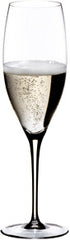
Col de’ Salici Prosecco Extra Dry is a sparkling wine made from Glera grapes that expresses the freshness of the Veneto region. Produced using the Charmat Method, it has a straw-yellow colour with greenish highlights. On the nose, it blends notes of apple with aromas of wisteria and acacia. On the palate, it is fresh and harmonious, with excellent acidity. This Extra Dry sparkling wine balances sugars well, offering a clean and crisp drink.
Where does it come from
The grapes come from the Veneto vineyards of Col de’ Salici. The Glera vines grow at two hundred metres above sea level, with optimal south-east exposure. Rooted in mainly clay soils of morainic origin, the plants are trained using Guyot, double arched cane and Sylvoz systems. This environment ensures balanced ripening, giving the fruit a clear aromatic intensity and a perfect base for a smooth sip.
How is it produced
Production begins with manual harvesting in the second week of September. In the winery, gentle crushing and destemming takes place, and part of the must undergoes brief cryomaceration. After fermentation in steel tanks, a blend is created with the cryomacerated wine for the prise de mousse in an autoclave. To preserve its fragrance, Col de’ Salici carries out frequent bottling, ensuring a consistent organoleptic profile.
History and Curiosities
Founded in 1997 in Veneto, Col de’ Salici enhances hand-picked Glera grapes to create an excellent Prosecco DOC. The vineyards are situated at 200 metres above sea level on clay soils of morainic origin, benefiting from perfect south-east exposure. Under the guidance of oenologist Saverio Notari, the winery employs partial cryomaceration and the sparkling process using the Charmat method. Thanks to frequent bottling, a constant liveliness in the glass is ensured, offering a sip that always preserves its original freshness.
Tasting notes

Perfume

Color

Taste
Serve at:
06 - 08 °C
Longevity:
03 - 05 years
- Start up year: 1997
- Oenologist: Saverio Notari
- Bottles produced: 600.000
- Hectares: 32
High-level packaging combines with quality in production. First, the grapes are selected only in the best production areas of the Conegliano Valdobbiadene DOC and DOCG. Then, the vinification occurs with partial cryomaceration, enhancing the grape variety's fragrance and fruity sensation. Finally, the bottling is carried out every 40 days to guarantee the market a product that is always fresh. Read more



| Name | Col De' Salici Prosecco Extra Dry |
|---|---|
| Type | White charmat method sparkling wine extra dry |
| Denomination | Prosecco DOC |
| Size | 0,75 l |
| Alcohol content | 11.0% by volume |
| Grape varieties | 100% Glera |
| Country | Italy |
| Region | Veneto |
| Vendor | Col de' Salici |
| Story | History and Curiosities Founded in 1997 in Veneto, Col de’ Salici enhances hand-picked Glera grapes to create an excellent Prosecco DOC. The vineyards are situated at 200 metres above sea level on clay soils of morainic origin, benefiting from perfect south-east exposure. Under the guidance of oenologist Saverio Notari, the winery employs partial cryomaceration and the sparkling process using the Charmat method. Thanks to frequent bottling, a constant liveliness in the glass is ensured, offering a sip that always preserves its original freshness. |
| Origin | Veneto, Italy |
| Soil composition | Predominantly clayey of morainic origin |
| Cultivation system | Guyot, double arched cane and Sylvoz |
| Plants per hectare | 2.500 |
| Yield per hectare | 135 q/ha |
| Harvest | Second week of September |
| Fermentation temperature | 18-20 °C |
| Fermentation | Approximately 15-20 days |
| Production technique | Charmat method |
| Wine making | Immediately after harvesting, part of the grapes undergo gentle crushing and destemming; the resulting must is then kept at a constant temperature of 5-6 °C for about 12 hours. The liquid part is fermented separately in stainless steel tanks at a constant temperature of 18-20 °C; fermentation lasts for about 15-20 days. |
| Aging | Extra Dry Cuvée with a variable percentage of cryomacerated wine, followed by the prise de mousse (secondary fermentation) using the Charmat method; frequent bottling to ensure freshness. |
| Residual sugar | 14.0 gr/L |
| Allergens | Contains sulphites |