


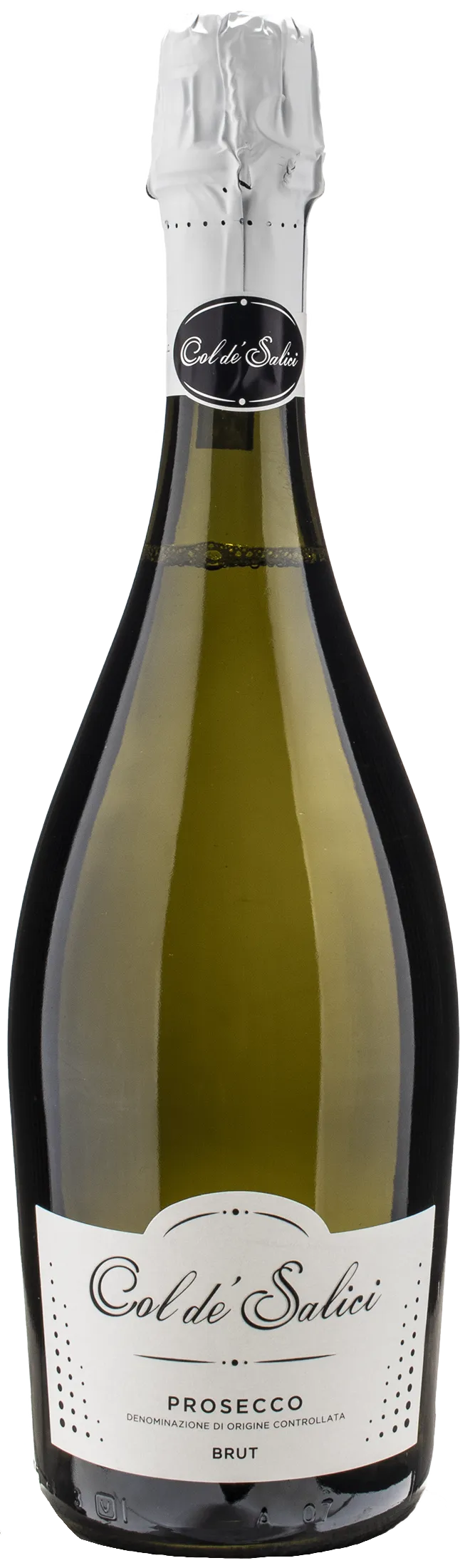
Col de' Salici
Prosecco Brut
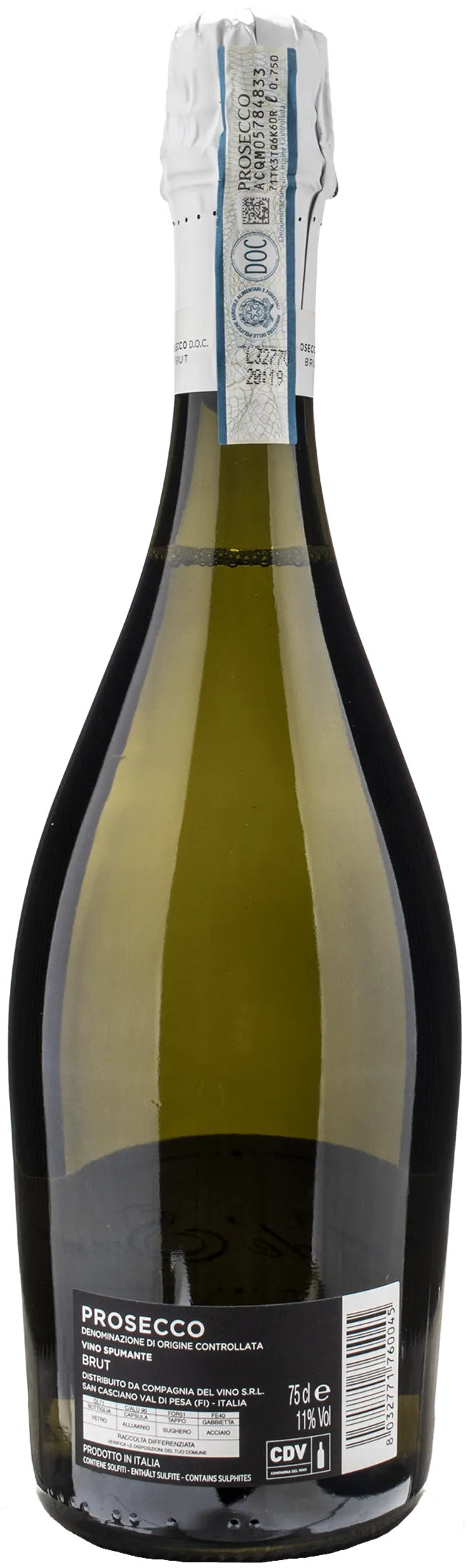
| Denomination | DOC Prosecco Spumante Brut |
|---|---|
| Size | 0,75 l |
| Alcohol content | 11.0% by volume |
| Area | Veneto (Italy) |
| Grape varieties | 100% Glera |
| Aging | Ageing with Brut cuvée (with a variable percentage of cryomacerated wine) followed by secondary fermentation |
- Origin and grape variety: Prosecco DOC Brut from Veneto, 100% Glera grapes, 11% vol, 0.75 l bottle
- Vinification in steel: Must at 5-6°C for 12 hours; fermentation at 18-20°C for 15-20 days
- Charmat method: Secondary fermentation in autoclave with Brut cuvée and cryomacerated wine
- Aromas and colour: Straw yellow colour, aromas of apple, wisteria flowers and acacia
- On the palate and serving: Fresh and harmonious taste; serve at 6-8°C, recommended storage 3-5 years
Description
What kind of wine it is
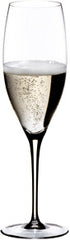
Col de’ Salici Prosecco Brut, produced in Veneto, expresses the character of the Glera grape with a balanced Brut dosage. To the eye, it offers a straw yellow colour with greenish highlights, anticipating an aromatic bouquet dominated by fruity notes of apple. The olfactory profile is enriched by delicate floral hints of wisteria and acacia. On the palate, it is smooth and harmonious, with a lively freshness and pronounced acidity. The expressiveness of the grapes is preserved by the Charmat Method.
Where it comes from
The grapes ripen between Conegliano and Valdobbiadene at two hundred metres above sea level, with a south-east exposure for even ripening. The terroir is characterised by mainly clay soils of morainic origin, which impart a clear, clean taste. The Col de’ Salici brand pays great attention to the wine’s freshness; for this reason, the company plans frequent bottlings at regular intervals. This ensures a clean and lively flavour profile.
How it is produced
The process begins with a rigorous manual harvest of the grapes in September. This is followed by gentle crushing and destemming and resting at low temperatures for twelve hours. Fermentation takes place in steel tanks for twenty days. The final stage involves creating a blend with a Brut base that includes a portion of cryo-macerated wine, essential for enhancing the fruity intensity. The prise de mousse then takes place in an autoclave for a balanced structure.
History and Curiosities
Founded in 1997 from the vision of Giancarlo Notari, the Col de’ Salici brand best expresses the vocation of the Glera grape variety through this elegant Prosecco. The grapes ripen on clay soils of morainic origin at an altitude of 200 metres, enjoying an ideal south-east exposure. Under the guidance of oenologist Saverio Notari, the company carries out frequent bottling every forty days: a technique that preserves excellent freshness, offering a tasting experience that enhances the authentic sparkling wine tradition.
Tasting notes
Perfume

Color
Taste
Serve at:
06 - 08 °C
Longevity:
03 - 05 years
- Start up year: 1997
- Oenologist: Saverio Notari
- Bottles produced: 600.000
- Hectares: 32
High-level packaging combines with quality in production. First, the grapes are selected only in the best production areas of the Conegliano Valdobbiadene DOC and DOCG. Then, the vinification occurs with partial cryomaceration, enhancing the grape variety's fragrance and fruity sensation. Finally, the bottling is carried out every 40 days to guarantee the market a product that is always fresh. Read more



| Name | Col de' Salici Prosecco Brut |
|---|---|
| Type | White charmat method sparkling wine brut |
| Denomination | Prosecco DOC |
| Size | 0,75 l |
| Alcohol content | 11.0% by volume |
| Grape varieties | 100% Glera |
| Country | Italy |
| Region | Veneto |
| Vendor | Col de' Salici |
| Story | History and Curiosities Founded in 1997 from the vision of Giancarlo Notari, the Col de’ Salici brand best expresses the vocation of the Glera grape variety through this elegant Prosecco. The grapes ripen on clay soils of morainic origin at an altitude of 200 metres, enjoying an ideal south-east exposure. Under the guidance of oenologist Saverio Notari, the company carries out frequent bottling every forty days: a technique that preserves excellent freshness, offering a tasting experience that enhances the authentic sparkling wine tradition. |
| Origin | Veneto |
| Soil composition | Predominantly clayey of morainic origin |
| Cultivation system | Guyot, Doppio Capovolto and Sylvoz |
| Plants per hectare | 2500 |
| Yield per hectare | 135 q/ha |
| Harvest | Second week of September |
| Fermentation temperature | 18-20 °C |
| Fermentation | Approximately 15-20 days |
| Production technique | Charmat method |
| Wine making | Immediately after harvesting, part of the grapes are gently crushed and destemmed; the must is kept at 5-6 °C for about 12 hours. The liquid part ferments separately in stainless steel tanks at 18-20 °C for about 15-20 days; this is followed by Brut cuvée and secondary fermentation (Charmat method). |
| Aging | Ageing with Brut cuvée (with a variable percentage of cryomacerated wine) followed by secondary fermentation |
| Residual sugar | 9.0 gr/L |
| Year production | 600000 bottles |
| Allergens | Contains sulphites |