


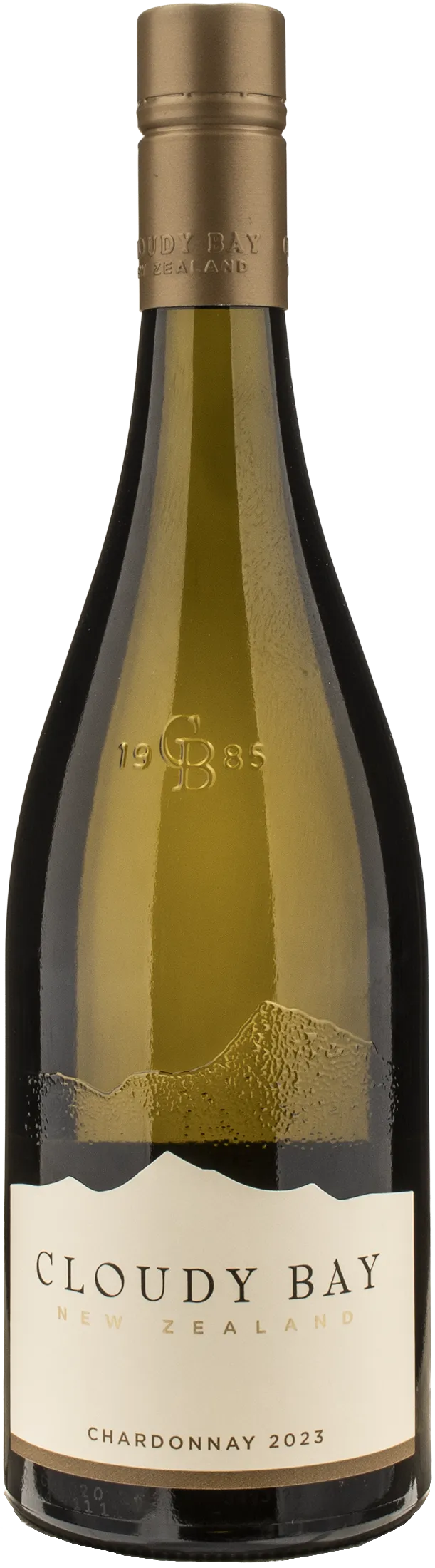
Cloudy Bay
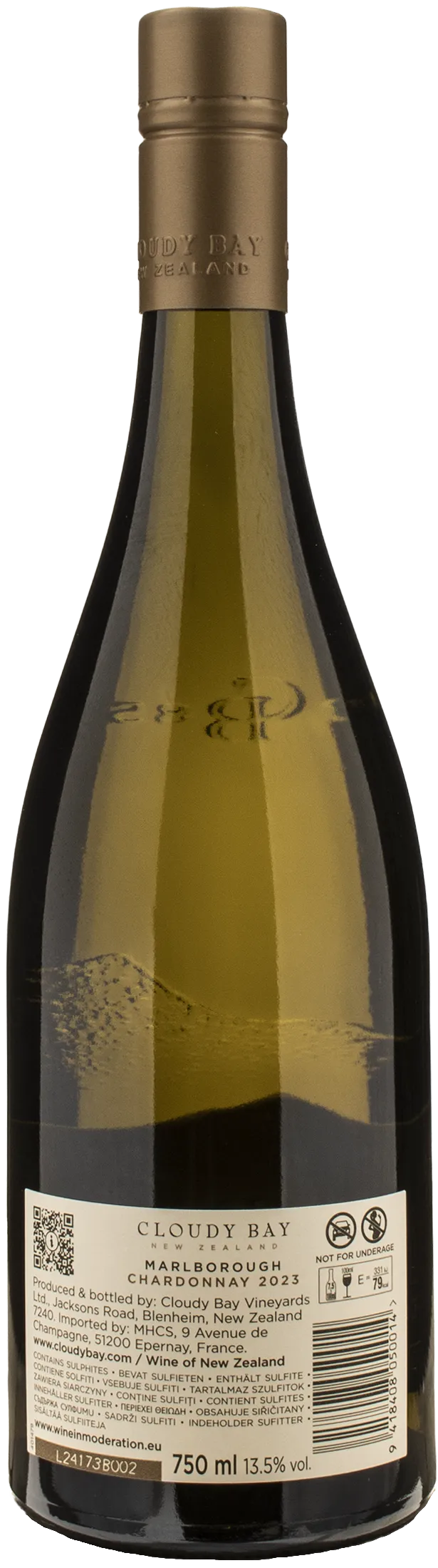
Marlborough Chardonnay 2023
| Denomination | N/A |
|---|---|
| Size | 0,75 l |
| Alcohol content | 13.5% by volume |
| Area | New Zealand (New Zealand) |
| Grape varieties | 100% Chardonnay |
| Aging | After fermentation, the wine was aged in French oak barriques for 11 months before blending; 27% of the wine underwent malolactic fermentation. |
- Aromatic profile: notes of green apple, peach, orange blossom, toasted hazelnut and spices
- Taste and finish: lively freshness, creamy texture and long citrus persistence
- Vinification in wood: gentle pressing, French oak barriques 15% new for 11 months
- Region: Marlborough, parcels of Brancott, Fairhall, Ben Morven and Wairau Valley
- Data and pairings: 13.5% vol; suitable for raw fish, shellfish and white meats
Description
What kind of wine is it
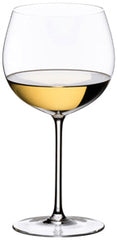
Chardonnay reveals in the Cloudy Bay Marlborough Chardonnay a New Zealand expression of great purity and stylistic precision. The glass reveals an aromatic profile characterised by green apple, peach and orange blossom, combined with elegant notes of toasted hazelnut and light spices. On the palate, the pronounced freshness and mineral texture balance a full-bodied and pleasantly creamy mouthfeel. The sip moves with great energy, finishing in a persistent finish with clear citrus accents.
Where does it come from
The grapes come from selected parcels in Marlborough, specifically in the areas of Brancott, Fairhall, Ben Morven and the central Wairau Valley. The area benefits from a maritime climate with marked temperature variations, optimal conditions to ensure balanced ripening of the fruit. Cloudy Bay carefully tends each individual vineyard to capture the purest territorial identity. The combination of different plots creates a harmonious blend that combines the freshness of the cooler areas with the fullness of those more exposed to the sun.
How is it produced
The hand-picked bunches undergo gentle pressing to extract the purest must. Fermentation takes place at a controlled temperature in French oak barrels. A portion of the wine undergoes partial malolactic fermentation to give greater structural roundness, followed by a period of ageing in wood for about twelve months. This meticulous process results in a white wine with a marked gastronomic vocation, ideal for accompanying fine raw fish, seafood pasta with shellfish, delicate white meats and mature cheeses.
History and Curiosities
An undisputed pioneer of New Zealand winemaking, the winery expresses the pure vocation of the region through the Cloudy Bay Marlborough Chardonnay. An absolute dedication that begins among the vines, with hand-picked grapes from the best plots in the region. Thanks to this meticulous artisanal approach, the 2023 vintage has won prestigious awards, including the renowned 92 points awarded by James Suckling and Wine Spectator. Completed with a screw cap closure that pays homage to 1985, the year the winery was founded, this white wine embodies true oenological excellence.
Awards
-
2023
 92
92/100
James Suckling is an influential American wine critic and journalist who worked at Wine Spectator for 30 years. He left the magazine in 2010 to start his own website and guidebook (JamesSuckling.com). He specialises in Italian and Bordeaux wines.
-
2023
 91
91/100
Vinous is the online guide from Antonio Galloni, one of the world's leading wine connoisseurs.
-
2023
 92
92/100
Wine spectator is the most influential wine guide on the internet.
Tasting notes
Perfume
Color
Taste
Serve at:
12 - 14 °C
Longevity:
05 - 10 years
- Start up year: 1985
The winery was named after Cloudy Bay, a stretch of water explorer Captain James Cook came across during his voyage to New Zealand in 1770. His discovery coincided with flooding in the region, which washed large amounts of sediment into the sea. Noticing the water’s opaque appearance, Cook cleverly christened the area Cloudy Bay.
Today, Cloudy Bay not only captures the essence of Marlborough but also embodies New Zealand's luxury to the world. The luxury of space and time, of intimate moments and nature’s rarest qualities. Read more


| Name | Cloudy Bay Marlborough Chardonnay 2023 |
|---|---|
| Type | White still |
| Denomination | N/A |
| Vintage | 2023 |
| Size | 0,75 l |
| Alcohol content | 13.5% by volume |
| Grape varieties | 100% Chardonnay |
| Country | New Zealand |
| Region | New Zealand |
| Vendor | Cloudy Bay |
| Story | History and Curiosities An undisputed pioneer of New Zealand winemaking, the winery expresses the pure vocation of the region through the Cloudy Bay Marlborough Chardonnay. An absolute dedication that begins among the vines, with hand-picked grapes from the best plots in the region. Thanks to this meticulous artisanal approach, the 2023 vintage has won prestigious awards, including the renowned 92 points awarded by James Suckling and Wine Spectator. Completed with a screw cap closure that pays homage to 1985, the year the winery was founded, this white wine embodies true oenological excellence. |
| Origin | Marlborough (Brancott, Fairhall, Ben Morven and Central Wairau Valley) |
| Climate | Maritime climate |
| Harvest | Hand-picked from 31 March to 20 April |
| Production technique | Soft pressing followed by fermentation in barriques at a controlled temperature; ageing in French oak barriques; partial malolactic fermentation (approximately 27%) |
| Wine making | Soft pressing followed by fermentation in barrels at controlled temperature. After pressing, the must was allowed to settle and then racked, before being transferred to French oak barriques (15% new). After fermentation, the wine rested in barriques for 11 months before blending; 27% underwent malolactic fermentation. |
| Aging | After fermentation, the wine was aged in French oak barriques for 11 months before blending; 27% of the wine underwent malolactic fermentation. |
| Total acidity | 7.1 gr/L |
| PH | 3.1 |
| Allergens | Contains sulphites |