


Castello di Ama
Purple Rose 2024
| Denomination | IGT Toscana |
|---|---|
| Size | 0,75 l |
| Alcohol content | 13.5% by volume |
| Area | Tuscany (Italy) |
| Grape varieties | 100% Sangiovese |
- Wine and origin: Still Rosé Toscana IGT 2024, 100% Sangiovese, 0.75 l
- Vinification: Saignée after 12 hours; 30% fermented in second-use oak
- Aromas: Cherry and ripe strawberry, floral hints and deep notes of red fruits
- Taste: Fresh, juicy and savoury; mineral structure and persistent red fruit finish
- Serving and pairings: 10-12 °C; tomato-based fish starters and aubergine parmigiana


Description
What kind of wine it is
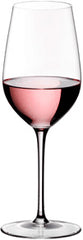
Purple Rose is a still rosé wine crafted by Castello di Ama, an authentic expression of Sangiovese. In the glass, it stands out for its vibrant purple hue and primary aromas of cherry and ripe strawberry, enriched by delicate floral nuances. On the palate, it reveals an extraordinary freshness and a pronounced mineral texture, finishing with a persistent savoury aftertaste. Thanks to its elegant profile, this wine pairs beautifully with seafood-based first courses with tomato and enhances vegetarian dishes such as the classic aubergine parmigiana.
Where it comes from
This Tuscan label originates in the heart of the province of Siena, from hillside vineyards situated between 460 and 525 metres above sea level. The vines are trained on trellises with Guyot pruning, enjoying optimal exposures facing North-East and South-West. The wine's identity is further defined by the clay-limestone soils rich in stones. This geological composition imparts a taut flavour profile to the sip, supported by a lively savouriness that is immediately perceptible.
How it is produced
The process involves a brief maceration on the skins for about twelve hours, followed by the extraction of the must using the saignée technique. Part of the batch then ferments in second-use barrels, a key choice to impart aromatic complexity and deeper fruity notes. This targeted approach to ageing ensures the wine has greater longevity and excellent stability of its brilliant colour component over time.
History and Curiosities
Castello di Ama has been producing rosé wines since 1982, but it was in 2017 that Purple Rose was created, a label designed to highlight the uniqueness of the Tuscan region. The wine is made from the finest selections of pure Sangiovese, with the must extracted by bleeding after about 12 hours of skin maceration. Fermentation of 30% of the wine in second-use oak barriques ensures exceptional longevity and colour stability. A refined elegance that, with the 2024 vintage, has already won prestigious scores from Vinous and Wine Spectator.
Awards
-
 91
91/100
Vinous is the online guide from Antonio Galloni, one of the world's leading wine connoisseurs.
-
 90
90/100
Wine spectator is the most influential wine guide on the internet.
Tasting notes

Perfume

Color

Taste
Serve at:
10 - 12 °C
Longevity:
05 - 10 years
- Start up year: 1976
- Oenologist: Marco Pallanti
- Bottles produced: 320.000
- Hectares: 75
To date, Castello di Ama owns and manages about 75 hectares of vineyards and 40 hectares of olive groves, relying on the work of more than 60 people. The role of general manager and oenologist is held continuously by Marco Pallanti, who served, between 2006 and 2012, as President of the Chianti Classico Consortium, bringing the contribution of the creation of the 'Gran Selezione' category with the aim of highlighting the extraordinary quality and diversity of the region's wines. Read more


| Name | Castello di Ama Purple Rose 2024 |
|---|---|
| Type | Rosé still |
| Denomination | Toscana IGT |
| Size | 0,75 l |
| Alcohol content | 13.5% by volume |
| Grape varieties | 100% Sangiovese |
| Country | Italy |
| Region | Tuscany |
| Vendor | Castello di Ama |
| Story | History and Curiosities Castello di Ama has been producing rosé wines since 1982, but it was in 2017 that Purple Rose was created, a label designed to highlight the uniqueness of the Tuscan region. The wine is made from the finest selections of pure Sangiovese, with the must extracted by bleeding after about 12 hours of skin maceration. Fermentation of 30% of the wine in second-use oak barriques ensures exceptional longevity and colour stability. A refined elegance that, with the 2024 vintage, has already won prestigious scores from Vinous and Wine Spectator. |
| Origin | Siena, Toscana, Italia |
| Soil composition | Clay-limestone rich in stones |
| Cultivation system | Vertical trellis with simple Guyot pruning |
| Plants per hectare | 3000 plants per hectare |
| Production technique | Obtained through bleeding (saignée) after about 12 hours of skin contact; around 30% of the must ferments in second-use oak (barrique). |
| Wine making | Obtained through the saignée method after about 12 hours of skin contact; approximately 30% of the must ferments in second-use oak barrels (barriques) to increase longevity, improve colour stability, and enhance aroma complexity. |
| Total acidity | 6.55 gr/L |
| Residual sugar | 1.0 gr/L |
| Dry extract | 24.0 gr/L |
| Allergens | Contains sulphites |