


Kaltern Caldaro
Lagrein 2024
| Denomination | DOC Alto Adige Lagrein |
|---|---|
| Size | 0,75 l |
| Alcohol content | 13.0% by volume |
| Area | Trentino Alto Adige (Italy) |
| Grape varieties | 100% Lagrein |
| Aging | Malolactic fermentation and maturation for 4 months in stainless steel tanks, large 75 hl casks and for 15% in barriques. |
- Grape variety and designation: 100% Lagrein, Alto Adige DOC, still dry red wine, 13% vol
- Aromatic profile: notes of plum, blackberry, chocolate, coffee, tobacco and undergrowth
- Vinification: 10-day maceration at 28°C followed by malolactic fermentation
- Ageing: matured in steel/concrete, large 75 hl barrels and 15% in barriques for 4–5 months
- Serving: 16–18°C, decant for 1 hour; ideal with game and mature cheeses


Description
What kind of wine it is
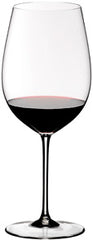
Kellerei Kaltern Lagrein is a still red wine that best enhances the identity of Alto Adige. In the glass, it reveals a very intense ruby colour, while the aromatic profile stands out for its enveloping hints of plum, blackberry and wild berries, skilfully intertwined with notes of chocolate, tobacco and undergrowth. On the palate, it is dry, full-bodied and voluminous, supported by a juicy and well-integrated tannin. The powerful structure resolves in a persistent finish, ideal for accompanying roasts, game and mature cheeses.
Where it comes from
The Lagrein grapes come from the hillside vineyards of the Alto Adige region, located at an altitude between 230 and 350 metres above sea level. The vines benefit from optimal exposure to the south and east, growing on calcareous-clay soils rich in gravel and stones. The pergola and espalier training systems allow the plants to develop at their best, ensuring perfect ripening of the bunches. These particular environmental conditions give the wine an authentic character and an inherently elegant style.
How it is produced
The vinification process begins with fermentation on the skins at a controlled temperature for about ten days, necessary to extract colour and polyphenolic substances. This is followed by malolactic fermentation, which softens the flavour profile. Maturation continues for several months in cement and steel tanks, along with the use of large barrels and barriques. This management of wood and steel ageing consolidates the tannic structure and enhances the clarity of the aromas, giving great balance to the sip.
History and Curiosities
A true expression of Kellerei Kaltern, Lagrein is among the most noble native grape varieties of South Tyrol, historically related to Teroldego and Syrah. Born in sunny hillside vineyards, it stands out for its deep dark red colour and intense aromas of wild berries. The aromatic profile reveals the strength of the region, enhanced by elegant spicy and resinous notes with hints of chocolate, tobacco and undergrowth.
Tasting notes

Perlage

Perfume

Color

Taste
Serve at:
14 -16 °C
Longevity:
05 - 10 years
Decanting time:
1 hour
- Start up year: 1900
- Oenologist: Thomas Scarizuola
- Bottles produced: 4.000.000
- Hectares: 440
Today, Kellerei Kaltern is one of the most relevant wineries in South Tyrol. The wine-growing municipality of Kaltern, the best known and best loved in South Tyrol, is proud of its reputation. But Kellerei Kaltern is more than just a special place for wine enthusiasts and connoisseurs. Wine is the great protagonist in the community's life: it has shaped it over the years by giving employment to local people. As a result, the wine fills the inhabitants and farmers with pride. For many, it is a full-time professional commitment pursued with great passion in many different spheres, whether in vineyards, cellars, gastronomy, or commerce.
For Kellerei Kaltern, wine is synonymous with taste and quality thanks to the terroir and the local community, making wines unique.
Kellerei Kaltern plays a vital role in this respect, perfectly reflecting the company philosophy: the unity of purpose and a constant search for quality to spread the spirit, the euphoria, the collective commitment, the wine and, of course, the natural beauty worldwide. Read more


| Name | Caldaro Lagrein 2024 |
|---|---|
| Type | Red green still |
| Denomination | Alto Adige DOC |
| Vintage | 2024 |
| Size | 0,75 l |
| Alcohol content | 13.0% by volume |
| Grape varieties | 100% Lagrein |
| Country | Italy |
| Region | Trentino Alto Adige |
| Vendor | Kaltern Caldaro |
| Story | History and Curiosities A true expression of Kellerei Kaltern, Lagrein is among the most noble native grape varieties of South Tyrol, historically related to Teroldego and Syrah. Born in sunny hillside vineyards, it stands out for its deep dark red colour and intense aromas of wild berries. The aromatic profile reveals the strength of the region, enhanced by elegant spicy and resinous notes with hints of chocolate, tobacco and undergrowth. |
| Origin | Vineyards on the hills of Alto Adige (South Tyrol), between 230 and 350 m above sea level, facing south and east |
| Soil composition | Ghiaia/pietrisco calcareo argilloso con una piccola percentuale di sabbia; calcareo, mediamente argilloso |
| Cultivation system | Guyot and Pergola |
| Yield per hectare | 70 hl/ha |
| Fermentation temperature | 28 °C |
| Fermentation | 10 days |
| Production technique | Fermentation on the skins with maceration for 10 days at 28°C; malolactic fermentation; ageing in steel tanks (and/or concrete), large 75 hl casks and 15% in barriques for about 4–5 months |
| Wine making | Fermentation on the skins with a 10-day maceration at 28°C; malolactic fermentation carried out; ageing/maturation in steel (and/or concrete) tanks, large 75 hl casks and 15% in barriques for about 4–5 months. |
| Aging | Malolactic fermentation and maturation for 4 months in stainless steel tanks, large 75 hl casks and for 15% in barriques. |
| Total acidity | 5.3 gr/L |
| Residual sugar | 1.5 gr/L |
| Year production | 300000 bottles |
| Allergens | Contains sulphites |