


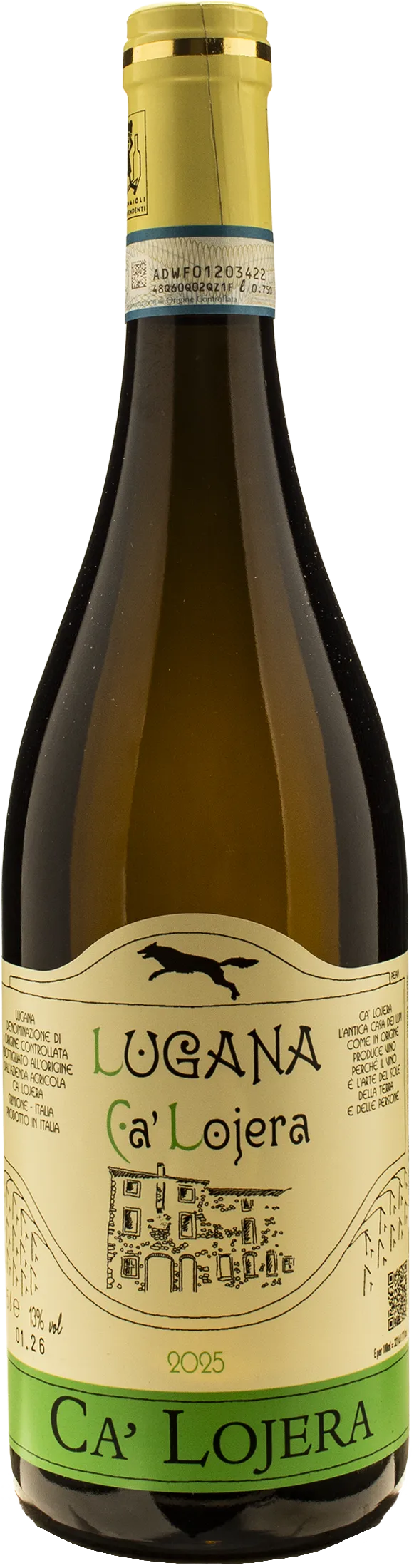
Ca Lojera
Lugana 2025
| Denomination | DOC Lugana |
|---|---|
| Size | 0,75 l |
| Alcohol content | 13.0% by volume |
| Area | Lombardy (Italy) |
| Grape varieties | 100% Trebbiano di Soave |
| Aging | Aged for at least 4 months on fine lees |
- Name and vintage: Lugana DOC 2025, still white wine, 13% vol, 0.75 l bottle
- Grape variety and origin: 100% Turbiana from Sirmione, on the white clays of Lake Garda
- Vinification and ageing: in steel, then 4 months on fine lees
- Aromatic profile: notes of melon, mandarin, grapefruit, mint and flowers
- Taste and serving: dry, savoury and mineral flavour; ideal at 8–10°C with lake fish and starters
Description
What kind of wine is it
Ca’ Lojera Lugana is a white wine from Lombardy that faithfully represents its territory. Made from Turbiana grapes, it stands out for its lively bouquet with notes of melon, grapefruit and mandarin, enriched by floral nuances and subtle menthol hints. On the palate, it offers a crisp and enveloping sip, dominated by a vibrant mineral freshness. Its juicy and dry structure closes elegantly with a delicate almond finish, making it ideal for accompanying starters and lake fish dishes.
Where does it come from
The roots of this wine lie in the area of Sirmione, just a stone’s throw from Lake Garda. The Ca’ Lojera winery cultivates its vineyards in this specific area, on soils characterised by white morainic clays, ancient sediments that once formed the bed of the lake basin. This geological matrix, combined with the beneficial microclimate of the lake, gives the grapes an unmistakable aromatic imprint. The natural interaction between soil and environment imparts a distinct savoury energy and an authentic character to the glass.
How is it produced
The process begins in the second half of September with a manual harvest aimed at preserving the integrity of the bunches. This is followed by gentle pressing and fermentation of the must in temperature-controlled steel tanks. After racking by sedimentation, the wine undergoes ageing on fine lees for at least four months. This careful maturation enriches the taste structure, ensuring balance and volume without overpowering the fresh and fruity profile typical of the grape variety.
History and Curiosities
Born in 1992 from the dedication of Ambra and Franco Tiraboschi, this wine comes to life in Sirmione, on the shores of Lake Garda. The winery vinifies exclusively its own grapes, cultivated on the 18 hectares dedicated to pure Turbiana. The roots of the vines delve into the white clays of Lugana, ancient morainic sediments that once formed the lakebed, today imparting a vibrant energy to the glass. With the careful manual harvest in September, an authentic bond with this extraordinary territory is renewed.
Tasting notes
Perfume

Color
Taste
Serve at:
10 - 12 °C
Longevity:
03 - 05 years
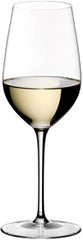
- Start up year: 1992
- Oenologist: Franco Tiraboschi
- Bottles produced: 160.000
- Hectares: 20
In addition to tradition, landscape and topicality, keywords to describe Ca’Lojera wines are eternal youth and elegant aging potential.
The winery produces its own grapes: 18 hectares of Turbiana in Sirmione on white clays that once were the bottom of the lake and 2 hectares of moraine hills dedicated to Chardonnay, Merlot and Cabernet. The bottles produced are distributed on the national and international market to restaurants, wine bars and wine bars. Read more


| Name | Ca Lojera Lugana 2025 |
|---|---|
| Type | White still |
| Denomination | Lugana DOC |
| Vintage | 2025 |
| Size | 0,75 l |
| Alcohol content | 13.0% by volume |
| Grape varieties | 100% Trebbiano di Soave |
| Country | Italy |
| Region | Lombardy |
| Vendor | Ca Lojera |
| Story | History and Curiosities Born in 1992 from the dedication of Ambra and Franco Tiraboschi, this wine comes to life in Sirmione, on the shores of Lake Garda. The winery vinifies exclusively its own grapes, cultivated on the 18 hectares dedicated to pure Turbiana. The roots of the vines delve into the white clays of Lugana, ancient morainic sediments that once formed the lakebed, today imparting a vibrant energy to the glass. With the careful manual harvest in September, an authentic bond with this extraordinary territory is renewed. |
| Origin | Rovizza di Sirmione (BS) |
| Soil composition | White clays of Lugana |
| Plants per hectare | 4000 |
| Harvest | Manual harvesting starting from the second half of September |
| Fermentation temperature | 15–18°C |
| Fermentation | 10–15 giorni |
| Production technique | Soft pressing of the grapes; fermentation of the must in stainless steel at controlled temperature; racking by sedimentation; ageing for at least 4 months on fine lees |
| Wine making | Soft pressing of the grapes; fermentation of the must in stainless steel for 10–15 days at a controlled temperature (15–18°C); racking by sedimentation and ageing for at least 4 months on fine lees. |
| Aging | Aged for at least 4 months on fine lees |
| Allergens | Contains sulphites |