


Ca dei Frati
Lugana Brolettino 2024
| Denomination | DOC Lugana |
|---|---|
| Size | 1,50 l |
| Alcohol content | 13.0% by volume |
| Area | Lombardy (Italy) |
| Grape varieties | 100% Turbiana |
| Aging | Aged in barrique for 10 months, followed by 3 months in bottle. |
- Magnum format: 1.5 litre bottle suitable for large gatherings and convivial occasions
- Grape variety: 100% Turbiana from calcareous-clay soils
- Designation: Lugana DOC, vineyards located between Sirmione and Desenzano del Garda in Lombardy
- Ageing: Matured in steel and barrique for 10 months, followed by 3 months in bottle
- Taste and serving: Notes of peach and yellow apple, 13% vol, 8-12 °C, ageing potential 5-10 years


Description
What kind of wine it is
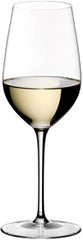
Ca’ dei Frati Lugana Brolettino is a white wine that fully expresses the essence of Lugana. Made from Turbiana grapes, it reveals a bouquet of peach, yellow apple and fleshy roses, interwoven with fresh balsamic notes. On the palate, the initial impact is bold, with a full and elegant structure supported by vibrant acidity and a deep savouriness that ensures a persistent finish. It is a splendid accompaniment to winter soups, medium-aged cheeses or slow-cooked fish dishes.
Where it comes from
This wine originates from the southern shores of Lake Garda, between the towns of Sirmione and Desenzano. The vines sink their roots into calcareous-clay soils, which are essential for imparting tension and minerality to the glass. The Ca’ dei Frati winery vinifies the grapes from each vineyard separately to offer a clear image of the Garda terroir. This special lakeside ecosystem allows the variety to develop unmistakable aromas and a remarkable ageing potential, destined to evolve beautifully over the years.
How it is produced
Trained using the Guyot system, the grapes undergo a vinification process that begins in stainless steel to preserve aromatic freshness. Subsequently, the must is transferred to oak barrels, where malolactic fermentation takes place, giving the wine greater smoothness. Ageing continues for ten months in wood, finishing with a further three months of rest to integrate every nuance. The solid values of dry extract and acidity define a rigorous oenological profile, capable of standing the test of time with great integrity.
History and Curiosities
The historic winery Ca’ dei Frati, rooted in Sirmione since 1782, vinifies the grapes from each vineyard separately to enhance the Garda terroir. From this dedication comes the renowned Lugana DOC Brolettino, made from native Turbiana grapes. Produced on calcareous-clay soils, this elegant white wine preserves the memory of the region and guarantees an extraordinary ageing potential.
Tasting notes
Perfume

Color
Taste
Serve at:
10 - 12 °C
Longevity:
05 - 10 years
- Start up year: 1939
- Oenologist: Igino Dal Cero
- Hectares: 120
It was in 1939 when Felice Dal Cero, son of Domenico, already a winemaker in Montecchia Crosara in Verona, moved in that house, Lugana of Sirmione, sensing immediately the wine-growing area.
After 30 years of work in the vineyard and winery in 1969, his son Peter participated in the creation of Doc started to bottle its first Lugana Casa dei Frati label.
Today, with his wife Santa Rosa cultural heritage has been passed on to children Igino, Gian Franco and Anna Maria who run the company with the same passion and determination.
Mutual respect, the union of the family, defined roles and the link to their territory on the shores of Lake Garda, represent the true strength of the Dal Cero family
Ca'dei Frati treasures of the past and looks to the future through a research and development of what was built in 70 years of wines. Read more


| Name | Ca dei Frati Lugana Brolettino Magnum 2024 |
|---|---|
| Type | White still |
| Denomination | Lugana DOC |
| Vintage | 2024 |
| Size | 1,50 l |
| Alcohol content | 13.0% by volume |
| Grape varieties | 100% Turbiana |
| Country | Italy |
| Region | Lombardy |
| Vendor | Ca dei Frati |
| Story | History and Curiosities The historic winery Ca’ dei Frati, rooted in Sirmione since 1782, vinifies the grapes from each vineyard separately to enhance the Garda terroir. From this dedication comes the renowned Lugana DOC Brolettino, made from native Turbiana grapes. Produced on calcareous-clay soils, this elegant white wine preserves the memory of the region and guarantees an extraordinary ageing potential. |
| Origin | Sirmione and Desenzano del Garda (Brescia) |
| Soil composition | Calcareous-clay |
| Cultivation system | Single and double Guyot |
| Yield per hectare | 9,000 kg/hectare |
| Production technique | Initial vinification in steel and subsequent ageing in barrique (malolactic fermentation in barrique) |
| Wine making | Initial vinification in stainless steel to preserve freshness, followed by completion in barrique with malolactic fermentation carried out in barrique; aged for 10 months in barrique and then for 3 months in bottle. |
| Aging | Aged in barrique for 10 months, followed by 3 months in bottle. |
| Total acidity | 6.6 gr/L |
| PH | 3.25 |
| Dry extract | 22.5 gr/L |
| Allergens | Contains sulphites |