


Antoine Bouvet
Champagne Saignée de Bisseuil Rosé Extra Brut
| Denomination | AOC Champagne Rosè Extra Brut |
|---|---|
| Size | 0,75 l |
| Alcohol content | 12.0% by volume |
| Area | Champagne region (France) |
| Grape varieties | 100% Pinot Nero |
- Format and alcohol content: 0.75 litre bottle with 12% alcohol by volume
- Grape variety and production: 100% Pinot Noir, traditional method with saignée and indigenous yeasts
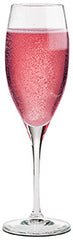
- Colour and aromas: Coral pink, fine bubbles, notes of red fruits and bread crust
- Taste profile: Extra Brut, dry, with a balanced and persistent flavour
- Serving temperature and pairings: Serve at 6-8°C with fish, shellfish and soft cheeses


Description
What kind of wine it is
Antoine Bouvet Champagne Saignée de Bisseuil Rosé Extra Brut is a sparkling rosé wine with a bold character, an authentic expression of Pinot Noir. Made according to the principles of the Traditional Method, this Champagne stands out for its bright coral pink colour, enlivened by a fine perlage that enhances its vibrancy in the glass. On the nose, it reveals a clear aromatic profile, dominated by fragrant notes of red fruits that harmoniously intertwine with delicate hints of bread crust. On the palate, it is dry, consistent with the Extra Brut dosage, offering a balanced sip and a long-lasting finish.
Where it comes from
This wine originates from the Bisseuil area, located within the renowned Champagne region in France. The grapes come from old vines over forty years old, cultivated following strict biodynamic methods to promote a sustainable agricultural approach. The geological and climatic identity of this area gives the Champagne a measured structure and a precise aromatic imprint. It is an artisan production with a limited release, designed to evolve over time with an estimated ageing potential of between five and ten years.
How it is produced
The winemaking process is based on the saignée technique, a method that allows for the concentration of colour and aromatic richness of the Pinot Noir before the secondary fermentation. Fermentation occurs spontaneously thanks to the action of indigenous yeasts, with minimal intervention in the cellar to preserve the purity of the fruit. Served at a temperature between 6 and 8°C, this Extra Brut pairs perfectly with delicate starters, shellfish, and dishes based on lean fish, and also proves to be an excellent companion for soft cheeses.
History and Curiosities
This refined Extra Brut Rosé Champagne from Antoine Bouvet is produced from old Pinot Noir vines cultivated biodynamically in Bisseuil. The artisanal production, carried out in limited quantities, follows the traditional method and employs the complex saignée technique. Thanks to spontaneous fermentation by indigenous yeasts and minimal intervention in the cellar, a rare and sustainable wine is created. A glass of absolute elegance, capable of offering an unforgettable tasting experience thanks to its fine and persistent perlage.
Tasting notes
Perlage

Perfume

Color
Taste
Serve at:
06 - 08 °C
Longevity:
05 - 10 years
- Start up year: 1970
Antoine has clear ideas, despite his young age, and thanks to the grandfather Guy's peasant wisdom, processes his champagnes with great naturalness and thickness. The numbers are very limited, no more than 600 bottles per cuvee.
The heritage of vineyards and limited but of great quality. On average old plants that are managed with great sensitivity applying biodynamic methods. Same philosophy that applies in the cellar, spontaneous fermentation and the least possible intervention. Certainly one of those names that are establishing themselves among the "very young". Read more


| Name | Antoine Bouvet Champagne Saignee de Bisseuil Rosè Extra Brut |
|---|---|
| Type | Rosé green classic method sparkling wine extra brut |
| Denomination | Champagne AOC |
| Size | 0,75 l |
| Alcohol content | 12.0% by volume |
| Grape varieties | 100% Pinot Nero |
| Country | France |
| Region | Champagne region |
| Vendor | Antoine Bouvet |
| Story | History and Curiosities This refined Extra Brut Rosé Champagne from Antoine Bouvet is produced from old Pinot Noir vines cultivated biodynamically in Bisseuil. The artisanal production, carried out in limited quantities, follows the traditional method and employs the complex saignée technique. Thanks to spontaneous fermentation by indigenous yeasts and minimal intervention in the cellar, a rare and sustainable wine is created. A glass of absolute elegance, capable of offering an unforgettable tasting experience thanks to its fine and persistent perlage. |
| Origin | Bisseuil, France |
| Production technique | Classic method (traditional method) with bleeding technique (saignée) |
| Wine making | Traditional method (classic method) with rosé vinification through saignée; spontaneous fermentation with indigenous yeasts and minimal intervention in the cellar. |
| Allergens | Contains sulphites |