


Altemasi (Cavit)
Trento Rosè Riserva Brut 2019
Other years:
2017| Denomination | DOC Trento Spumante Riserva |
|---|---|
| Size | 0,75 l |
| Alcohol content | 12.5% by volume |
| Area | Trentino Alto Adige (Italy) |
| Grape varieties | Chardonnay, Pinot Nero |
| Aging | Ageing on the lees for at least 36 months (over 36 months) before disgorgement. |
| Other years | 2017 |
- Metodo Classico Brut: second fermentation in the bottle, elegant style inspired by Trentodoc
- Grape variety and vintage: Chardonnay and Pinot Noir, Rosé Riserva 2019, 12.5% vol
- Extended ageing: over 36 months on the lees for greater structure and creaminess
- Tasting notes: ripe cherry, red apple, blackberry and hazelnut; long-lasting finish
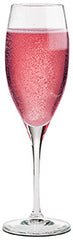
- Colour and perlage: pale pink with copper highlights, creamy mousse and fine bubbles


Description
What kind of wine it is
Altemasi Trento Rosé Riserva Brut is a refined Brut rosé sparkling wine crafted using the Traditional Method, embodying the elegance of Trento. This blend combines the intensity of Pinot Noir with the freshness of Chardonnay. In the glass, it displays a pale pink colour with copper highlights and a continuous, fine perlage. The bouquet reveals notes of ripe cherry, red apple and hazelnut. On the palate, it is enveloping, full and persistent, ideal for accompanying structured soups, fish dishes and white meats.
Where it comes from
This sparkling wine originates in Trentino, from mountain vineyards situated at an altitude between 450 and 600 metres. The vines grow on diverse terroirs that shape the character of the wine: the basaltic volcanic soils of the Brentonico Plateau intertwine with the fluvio-glacial matrices of the Cembra Valley. This valuable geological synergy promotes balanced grape ripening, giving the final sip a solid balance and a pleasant creamy sensation on the palate.
How it is produced
The production process begins with Chardonnay hand-picked and gently pressed, with the must fermented in steel tanks. The Pinot Noir is vinified using the submerged cap technique, separating the skins at the start of fermentation to extract the delicate pink hue. True to the Traditional Method, the second fermentation takes place in the bottle and is followed by ageing on the lees for at least 36 months, essential for enriching the wine's structure before disgorgement.
History and Curiosities
Born among the peaks of Trentino, this captivating Metodo Classico by Altemasi celebrates the 2019 vintage. Crafted from hand-picked Chardonnay and Pinot Noir grapes, it originates between 450 and 600 metres above sea level, from the volcanic soils of the Brentonico Plateau and the fluvio-glacial soils of the Cembra Valley. Time is the true secret of this Trentodoc Rosé Riserva: after refermentation in the bottle, the wine rests for at least 36 months on the lees. This slow and skilful ageing at altitude bestows a brut sparkling wine of pure and vibrant refinement.
Tasting notes

Perlage

Perfume

Color

Taste
Serve at:
06 - 08 °C
Longevity:
05 - 10 years
Thanks to not less than 36 months in contact with the lees, this is one of the finest and most elegant sparkling wines in our range. From the award-winning Altemasi GRAAL Reserve to the fruity, delicious Rosé. Read more


| Name | Altemasi Trento Rosè Riserva Brut 2019 |
|---|---|
| Type | Rosé classic method sparkling wine brut |
| Denomination | Trento DOC |
| Vintage | 2019 |
| Size | 0,75 l |
| Alcohol content | 12.5% by volume |
| Grape varieties | Chardonnay, Pinot Nero |
| Country | Italy |
| Region | Trentino Alto Adige |
| Vendor | Altemasi (Cavit) |
| Story | History and Curiosities Born among the peaks of Trentino, this captivating Metodo Classico by Altemasi celebrates the 2019 vintage. Crafted from hand-picked Chardonnay and Pinot Noir grapes, it originates between 450 and 600 metres above sea level, from the volcanic soils of the Brentonico Plateau and the fluvio-glacial soils of the Cembra Valley. Time is the true secret of this Trentodoc Rosé Riserva: after refermentation in the bottle, the wine rests for at least 36 months on the lees. This slow and skilful ageing at altitude bestows a brut sparkling wine of pure and vibrant refinement. |
| Origin | Brentonico Plateau and Cembra Valley |
| Climate | Altitude: 450-600 m a.s.l. |
| Soil composition | Soils of fluvio-glacial origin |
| Fermentation | At least 36 months on the lees |
| Production technique | Traditional method (second fermentation in bottle) with vinification in stainless steel; Pinot Noir with submerged cap technique; ageing on the lees for at least 36 months |
| Wine making | Chardonnay gently pressed with separation of the must fractions and fermentation in stainless steel; Pinot Noir vinified using the submerged cap technique, with separation of the must from the skins at the first signs of fermentation and fermentation in stainless steel at a controlled temperature to obtain a delicate rosé. Second fermentation in spring and ageing on the lees for at least 36 months before disgorgement. |
| Aging | Ageing on the lees for at least 36 months (over 36 months) before disgorgement. |
| Allergens | Contains sulphites |