


Jean-Paul & Benoit Droin
Chablis Grand Cru Grenouilles 2025
| Denomination | AOC Chablis Grand Cru |
|---|---|
| Size | 0,75 l |
| Alcohol content | 13.0% by volume |
| Area | Burgundy (France) |
| Grape varieties | 100% Chardonnay |
| Aging | Systematic malolactic fermentation followed by blending after 8-10 months. Ageing if necessary, light filtration and bottling. |
- Name and type: Chablis Grand Cru Grenouilles AOC still white wine, 2025 vintage
- Traditional vinification: pneumatic pressing and fermentation with indigenous yeasts
- Ageing: maturation in stainless steel and barrel, with blending after 8-10 months
- Exceptional terroir: calcareous marls of Kimmeridgian origin and deep white clay soil
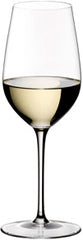
- Tasting notes: hints of apricot and quince, round palate of ripe fruit


Description
Origin
This white wine comes from the Chablis area, a renowned wine-growing region located in the Burgundy region of France. The vines benefit from excellent south and south-west exposure, which promotes the perfect ripening of the grapes. The terroir is defined by the famous Kimmeridgian limestone marls, characterised by white, deep, and heavily clayey soil. These specific pedoclimatic conditions profoundly influence the wine, giving it an unmistakable character and a faithful expression of the territory.
How it is produced
The production process begins with gentle pneumatic pressing, followed by natural enzymatic settling lasting twelve to twenty-four hours at approximately 15 °C. Alcoholic fermentation occurs spontaneously thanks to indigenous yeasts, taking place partly in steel vats and partly in barrels. Subsequently, the wine undergoes systematic malolactic fermentation, which helps to develop its typical roundness. After a period of eight to ten months, the blend is created, followed by light maturation, careful filtration, and bottling.
Awards
-
2025
 95
/100
Vinous is the online guide from Antonio Galloni, one of the world's leading wine connoisseurs.
Tasting notes
Perfume
Color
Taste
Serve at:
10 - 12 °C
Longevity:
05 - 10 years
The domaine has several vineyards within the territories of the denominations of Petit Chablis, Chablis and the renowned Premier Cru and Grand Cru, all characterized by soils particularly rich in limestone and marl, which give the wine a marked minerality.
It all starts with the work between the rows, carried out with the utmost respect for the balance of environment, nature, ecosystem and biodiversity. Following scrupulously precise agronomic rules, we arrive at harvesting, harvest after harvest, genuine and healthy grapes, rich and concentrated in every little organoleptic nuance. In order to favour the speed of transport and the perfect integrity of the bunches, the winery is located on the lower part of the most important vineyard of the company, where it has specially prepared a modern reception of the grapes, followed by an equally technological and careful vinification.
After arriving in the cellar, the bunches are then pneumatically pressed to allow a gradual and continuous release of the precious juice, which is then fermented at a controlled temperature. The ageing process is followed by resting in stainless steel tanks for the Chablis and Petit Chablis, while the Premier Cru and Grand Cru are left to mature in wooden barrels located in the cellars of the Domaine. The entire process ends after about ten months of aging, after which the wines are filtered, bottled and marketed. In this way, labels of the highest level come to life: unsurpassed wines on the French stage in the Chablis region. Read more


| Name | Jean-Paul & Benoit Droin Chablis Grand Cru Grenouilles 2025 |
|---|---|
| Type | White green still |
| Denomination | Chablis AOC |
| Vintage | 2025 |
| Size | 0,75 l |
| Alcohol content | 13.0% by volume |
| Grape varieties | 100% Chardonnay |
| Country | France |
| Region | Burgundy |
| Vendor | Jean-Paul & Benoit Droin |
| Origin | Chablis (Burgundy), France |
| Climate | Exposure: South/South-West. |
| Soil composition | In the calcareous marls of the Kimmeridgian: very clayey soil, white in colour and rather deep. |
| Production technique | Pneumatic pressing; natural enzymatic settling; fermentation with indigenous yeasts (partly in stainless steel and partly in barrels); malolactic fermentation |
| Wine making | Pneumatic pressing. Natural enzymatic settling for 12–24 hours at approximately 15 °C, followed by fermentation with indigenous yeasts, partly in stainless steel vats and partly in barrels. |
| Aging | Systematic malolactic fermentation followed by blending after 8 0 months. Ageing if necessary, light filtration and bottling. |
| Allergens | Contains sulphites |