


Ca Lojera
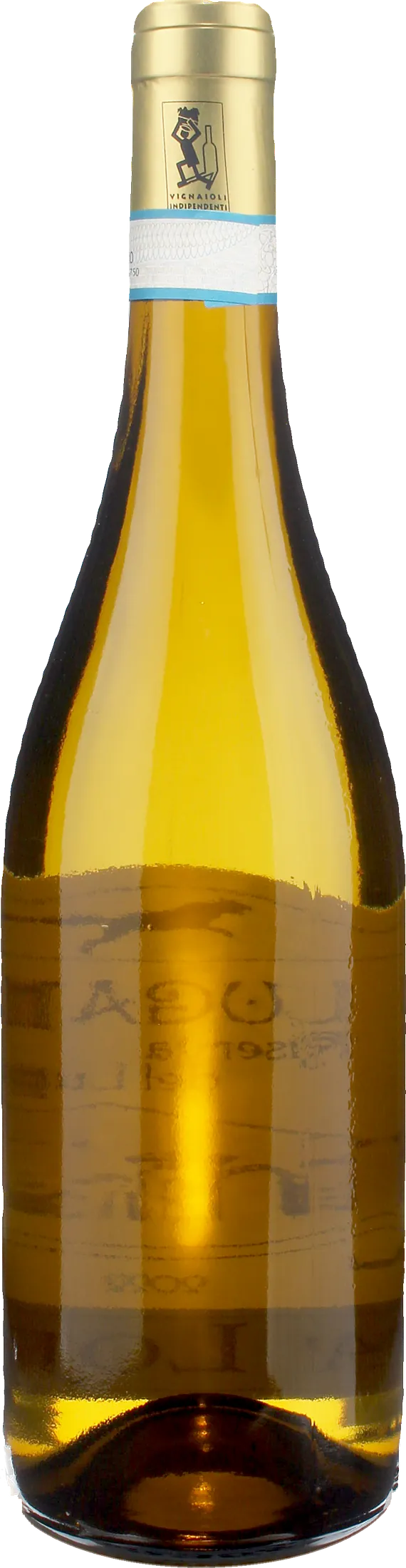
Lugana Riserva del Lupo 2022
| Denomination | DOC Lugana Riserva |
|---|---|
| Size | 0,75 l |
| Alcohol content | 13.5% by volume |
| Area | Lombardy (Italy) |
| Grape varieties | 100% Trebbiano di Soave |
| Aging | Aged for 2 years in stainless steel tanks followed by at least 6 months of bottle ageing in an underground cellar at a constant temperature below lake level. |
- Grape variety and style: Still white from 100% Turbiana, structured, savoury and elegant
- Production area: Rovizza di Sirmione, near Lake Garda, on white clay soils
- Winemaking process: Late manual harvest; fermentation in stainless steel tanks at 15–18°C
- Maturation: 2 years in stainless steel and 6–18 months in bottle in a cellar below lake level
- Organoleptic characteristics: Notes of citrus, honey, apricot and saffron; mineral finish

Description
Type of wine
Lugana Riserva del Lupo by Ca Lojera is a still white wine produced from Turbiana grapes in the Lugana Riserva area of Lombardy. Production involves a late harvest and long ageing in steel, resulting in an olfactory profile of citrus, dried apricot, saffron, honey and candied fruit. On the palate, it reveals a persistent minerality with a savoury and structured mouthful and remarkable longevity. At the table, it is best expressed with raw seafood, oysters, lobster, sashimi and recipes from Oriental cuisine.
Origin
The vineyards are located in Rovizza di Sirmione, a short distance from the shores of Lake Garda in Lombardy. The vines thrive in a single plot that is thirty-five years old, benefiting from optimal exposure at an altitude of 66 metres above sea level. The roots sink into Lugana white clay, a morainic-sedimentary formation originating from an ancient lake bed. This specific geological composition, combined with the beneficial microclimate guaranteed by the proximity to the lake, gives the wine a broad flavour profile, impeccable aromatic precision and remarkable structural persistence.
How it is produced
The process begins with a manual late harvest, extended until early November, which also involves selecting berries affected by noble rot. After gentle pressing and cold clarification, the must ferments at a controlled temperature. Maturation takes place for about two years in stainless steel tanks, with regular bâtonnage to enhance the clarity of the wine. Before being released to the market, the wine rests in the bottle for six to eighteen months in an underground cellar located below the lake level, thus maintaining a constant and ideal temperature.
History and curiosities
Lugana Riserva del Lupo originates in Rovizza di Sirmione, where pure Turbiana vines root into the white clay of an ancient lake bed. Ca’ Lojera enhances this terroir with a late autumn harvest. After two years in steel, the wine rests in cellars located underground below the level of the lake. This maturation at a constant temperature provides a deep structure and extraordinary longevity, expressing itself at its best ten years after bottling.
Tasting notes
Perfume

Color

Taste
Serve at:
12 - 14 °C
Longevity:
05 - 10 years
- Start up year: 1992
- Oenologist: Franco Tiraboschi
- Bottles produced: 160.000
- Hectares: 20
In addition to tradition, landscape and topicality, keywords to describe Ca’Lojera wines are eternal youth and elegant aging potential.
The winery produces its own grapes: 18 hectares of Turbiana in Sirmione on white clays that once were the bottom of the lake and 2 hectares of moraine hills dedicated to Chardonnay, Merlot and Cabernet. The bottles produced are distributed on the national and international market to restaurants, wine bars and wine bars. Read more


| Name | Ca Lojera Lugana Riserva del Lupo 2022 |
|---|---|
| Type | White still |
| Denomination | Lugana DOC |
| Vintage | 2022 |
| Size | 0,75 l |
| Alcohol content | 13.5% by volume |
| Grape varieties | 100% Trebbiano di Soave |
| Country | Italy |
| Region | Lombardy |
| Vendor | Ca Lojera |
| Story | History and curiosities Lugana Riserva del Lupo originates in Rovizza di Sirmione, where pure Turbiana vines root into the white clay of an ancient lake bed. Ca’ Lojera enhances this terroir with a late autumn harvest. After two years in steel, the wine rests in cellars located underground below the level of the lake. This maturation at a constant temperature provides a deep structure and extraordinary longevity, expressing itself at its best ten years after bottling. |
| Origin | Rovizza di Sirmione, near Lake Garda (BS) |
| Soil composition | White clay of Lugana |
| Plants per hectare | four thousand |
| Yield per hectare | 100–110 quintals per hectare |
| Harvest | Late harvest between the end of October and the beginning of November |
| Fermentation temperature | 15 to 18°C |
| Production technique | Late harvest; soft pressing; cold clarification of the must; temperature-controlled fermentation in stainless steel; racking by sedimentation; ageing for 2 years in stainless steel tanks (with regular lees stirring for 1 year) and at least 6 months in the bottle in an underground cellar at a constant temperature below lake level. |
| Wine making | Late harvest between late October and early November; soft pressing of the grapes; cold clarification of the must for 15 days; fermentation in stainless steel at a controlled temperature (15–18°C) with rackings by sedimentation; ageing in stainless steel for approximately 2 years (with regular bâtonnage for 1 year) and subsequent bottle ageing for at least 6 months (up to 18 months) in an underground cellar at a constant temperature below lake level. |
| Aging | Aged for 2 years in stainless steel tanks followed by at least 6 months of bottle ageing in an underground cellar at a constant temperature below lake level. |
| Allergens | Contains sulphites |