


Tristan Hyest
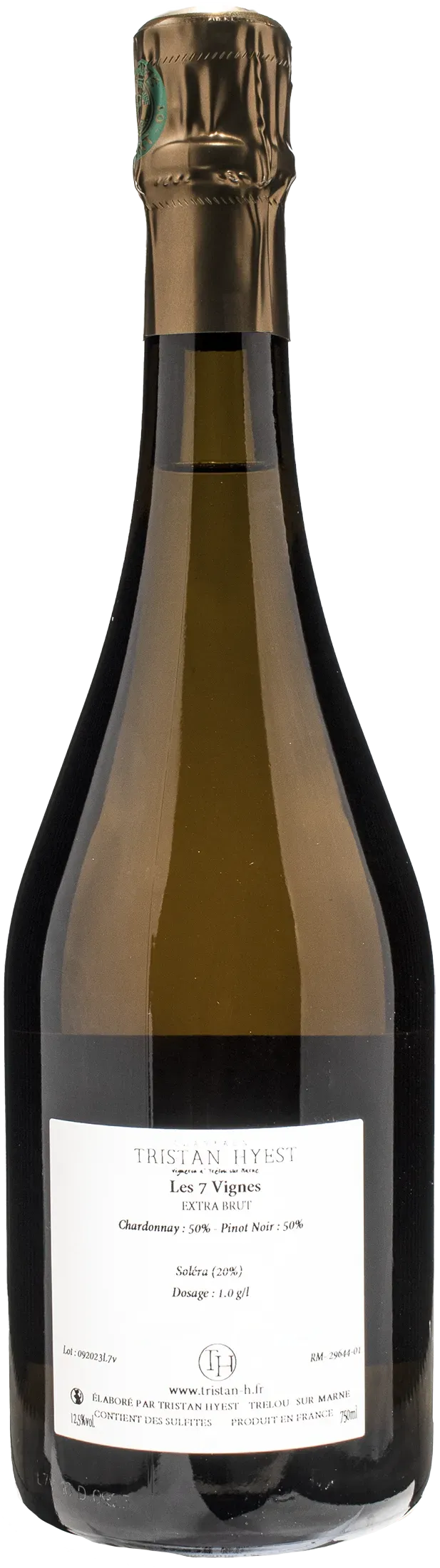
Champagne Les 7 Vignes Extra Brut
| Denomination | AOC Champagne Extra Brut |
|---|---|
| Size | 0,75 l |
| Alcohol content | 12.5% by volume |
| Area | Champagne region (France) |
| Grape varieties | 50% Chardonnay, 50% Pinot Nero |
| Aging | 20% of the wine aged using the solera method in partially filled barrels |
- Organic cuvée: 50% Chardonnay and 50% Pinot Noir, dry Extra Brut style
- Solera ageing: 20% in partially filled barrels for greater complexity and continuity
- Aromatic profile: white fruit, citrus and delicate yeast notes
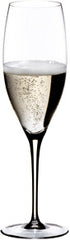
- Fine perlage: persistent bubbles and a bright straw yellow colour
- Pairings and serving: aperitif, shellfish, fish and cheese; 6–8 °C; 12.5% ABV

Description
What kind of wine is it
Tristan Hyest Champagne Les 7 Vignes Extra Brut is an organic wine that faithfully captures the essence of its terroir. The result of a harmonious blend of Pinot Noir and Chardonnay, it appears in the glass with a bright straw yellow colour and a fine, persistent perlage. On the nose, it reveals a clean bouquet where notes of white-fleshed fruit and citrus blend with delicate hints of yeast. On the palate, it offers a medium body, supported by a pleasantly lively acidity that delivers a dry, fresh and smooth sip.
Where does it come from
This wine is produced in France, in the commune of Trélou-sur-Marne, located in the heart of the renowned Champagne region. The identity of the terroir is reflected in remarkable taste precision, enhanced by the Extra Brut profile which imparts a vibrant tension. Thanks to its balance, Tristan Hyest's Champagne proves extremely versatile at the table. It is ideal as an aperitif and pairs perfectly with shellfish dishes, fish preparations and cheese selections, with a cellaring potential that can exceed five years.
How is it produced
Production strictly follows the Traditional Method, an essential process for achieving a high-quality mousse. A distinctive feature of this cuvée is the ageing of part of the wine using the solera method in partially filled barrels, a technique that imparts aromatic breadth and refined expressive continuity. The meticulous artisanal approach is combined with organic and sustainable farming practices. To appreciate every nuance, it is recommended to serve it at a temperature between 6 and 8°C.
History and Curiosities
Produced in Trélou-sur-Marne, the elegant Champagne Extra Brut Les 7 Vignes by Tristan Hyest combines Chardonnay and Pinot Noir in an organic cuvée. Its unique identity comes from the ageing of 20% of the wine using the solera method in partially filled barrels, a technique that enriches its aromatic profile with refined notes of white fruit, citrus and yeast. Supported by an extremely fine perlage and a pleasant lively acidity that makes it easy to drink, this champagne enhances shellfish, fish and cheeses, offering excellent ageing potential.
Tasting notes

Perlage
Perfume
Color
Taste
Serve at:
06 - 08 °C
Longevity:
05 - 10 years
From his experience in different vineyards, he had an indispensable expertise and understanding of the desire to preserve this heritage, which prompted me to graduate from the School of Viticulture.
In 1999 I decided to acquire solid experience.
In 2001, I personally took over the vines and obtained replanting rights. Then, in 2003, with a small holding of 2.5 ha, I decided to get into the development of my own vintages, creating a champagne with a unique style... Read more


| Name | Tristan Hyest Champagne Les 7 Vignes Extra Brut |
|---|---|
| Type | White green classic method sparkling wine extra brut |
| Denomination | Champagne AOC |
| Size | 0,75 l |
| Alcohol content | 12.5% by volume |
| Grape varieties | 50% Chardonnay, 50% Pinot Nero |
| Country | France |
| Region | Champagne region |
| Vendor | Tristan Hyest |
| Story | History and Curiosities Produced in Trélou-sur-Marne, the elegant Champagne Extra Brut Les 7 Vignes by Tristan Hyest combines Chardonnay and Pinot Noir in an organic cuvée. Its unique identity comes from the ageing of 20% of the wine using the solera method in partially filled barrels, a technique that enriches its aromatic profile with refined notes of white fruit, citrus and yeast. Supported by an extremely fine perlage and a pleasant lively acidity that makes it easy to drink, this champagne enhances shellfish, fish and cheeses, offering excellent ageing potential. |
| Origin | Trélou-sur-Marne (France) |
| Production technique | Traditional method (classic method); 20% aged using the solera method in ullaged barrels |
| Wine making | Traditional method (classic method); 20% of the wine aged using the solera method in ullaged barrels. |
| Aging | 20% of the wine aged using the solera method in partially filled barrels |
| Residual sugar | 1.0 gr/L |
| Allergens | Contains sulphites |