


Patrizia Cadore
Lugana 2025
| Denomination | DOC Lugana |
|---|---|
| Size | 0,75 l |
| Alcohol content | 13.0% by volume |
| Area | Lombardy (Italy) |
| Grape varieties | 100% Trebbiano di Lugana / Turbiana |
| Aging | Ageing on the lees. |
- Type: Still white wine Lugana DOC produced from Turbiana grapes.
- Aromatic profile: Tropical fruit, citrus and white flowers, with mineral nuances.
- Palate and finish: Harmonious, savoury and mineral taste with a characteristic almond note.
- Origin and soils: Pozzolengo in Lombardy; clay-limestone soils rich in minerals.
- Vinification: Manual harvesting, soft pressing, fermentation and ageing on the lees.


Description
What type of wine it is
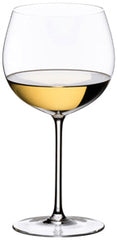
Patrizia Cadore's Lugana DOC is a still white wine from Lombardy, aged on the lees, which authentically expresses the character of the Turbiana grape variety, also known as Trebbiano di Lugana. To the eye, it presents a straw-yellow hue, enhanced by subtle greenish highlights. The crisp aromatic profile offers a bouquet where hints of tropical fruit, fresh citrus and delicate white flowers blend, supported by a pleasant mineral note. On the palate, it reveals an elegant and balanced structure, marked by a distinct sapidity. The sip evolves with precision towards a clean close, enhanced by the typical almond finish characteristic of this style.
Where it comes from
This interpretation of Lugana originates in the Pozzolengo vineyards, located in the heart of the denomination's historic area in Lombardy. The Patrizia Cadore winery manages its vineyards following the principles of organic farming and sustainability, with the aim of protecting the local ecosystem. The soil is characterised by a combination of predominantly calcareous clays, naturally rich in mineral salts. This particular geological composition gives the wine its typical gustatory vibrancy. The family's roots trace back to the Veneto region at the end of the 19th century, before they permanently settled in this dedicated terroir in 1954.
How it is produced
The production process begins with a rigorous manual harvest, which allows for the selection of only the best bunches directly in the vineyard. Once in the winery, the grapes undergo gentle pressing to extract exclusively the precious free-run must. The white wine vinification continues with temperature-controlled fermentation, conducted to preserve the integrity of the floral aromas. Subsequently, the wine undergoes ageing on the lees, a fundamental practice to enrich its body and flavour complexity, while ensuring freshness and expressive consistency over time.
History and interesting facts
The roots of the Patrizia Cadore winery date back to 19th-century Veneto, before settling permanently from 1954 in Pozzolengo, in the historical heart of Lugana. Today, this family-run business, led by Patrizia together with her daughter and the oenologist Luigi Biemmi, combines a deep dedication to the land with the strict principles of organic farming. Passionately tending to eight hectares of vineyard, the winery carries out a meticulous manual harvest and temperature-controlled vinification, producing 70,000 bottles that express the essence of this estate.
Tasting notes

Perfume

Color

Taste
Serve at:
12 - 14 °C
Longevity:
03 - 05 years
- Oenologist: Luigi Biemmi
- Bottles produced: 70.000
- Hectares: 8
In 1954, the Cadore family purchased vineyards in the Lugana region, in the province of Brescia, where Adriano Cadore, together with his brothers, managed the estate for many years.
Since 2010, Adriano’s niece Patrizia, supported by a highly qualified team, has been running the winery with the same passion and dedication as her uncles, producing wines of exceptional quality. In 2016, Giada—Patrizia’s daughter—joined the team and is now learning every aspect of winery management. A promise of continuity for the Cadore vineyards in the years to come. Read more


| Name | Patrizia Cadore Lugana 2025 |
|---|---|
| Type | White green still |
| Denomination | Lugana DOC |
| Vintage | 2025 |
| Size | 0,75 l |
| Alcohol content | 13.0% by volume |
| Grape varieties | 100% Trebbiano di Lugana / Turbiana |
| Country | Italy |
| Region | Lombardy |
| Vendor | Patrizia Cadore |
| Story | History and interesting factsThe roots of the Patrizia Cadore winery date back to 19th-century Veneto, before settling permanently from 1954 in Pozzolengo, in the historical heart of Lugana. Today, this family-run business, led by Patrizia together with her daughter and the oenologist Luigi Biemmi, combines a deep dedication to the land with the strict principles of organic farming. Passionately tending to eight hectares of vineyard, the winery carries out a meticulous manual harvest and temperature-controlled vinification, producing 70,000 bottles that express the essence of this estate. |
| Origin | Pozzolengo, Lombardy, Italy |
| Soil composition | A varied combination of predominantly calcareous clays rich in mineral salts |
| Yield per hectare | Approximately 120 quintals per hectare |
| Fermentation temperature | At a controlled temperature |
| Production technique | Manual harvest with bunch selection; gentle pressing to obtain the free-run juice; white wine vinification with temperature-controlled fermentation using selected yeasts and ageing on the lees. |
| Wine making | Hand-harvesting with selection of the bunches; soft pressing to obtain the free-run must; white wine making with temperature-controlled fermentation using selected yeasts and ageing on the lees. |
| Aging | Ageing on the lees. |
| Year production | 70000 bottles |
| Allergens | Contains sulphites |