

Tenuta Il Bosco
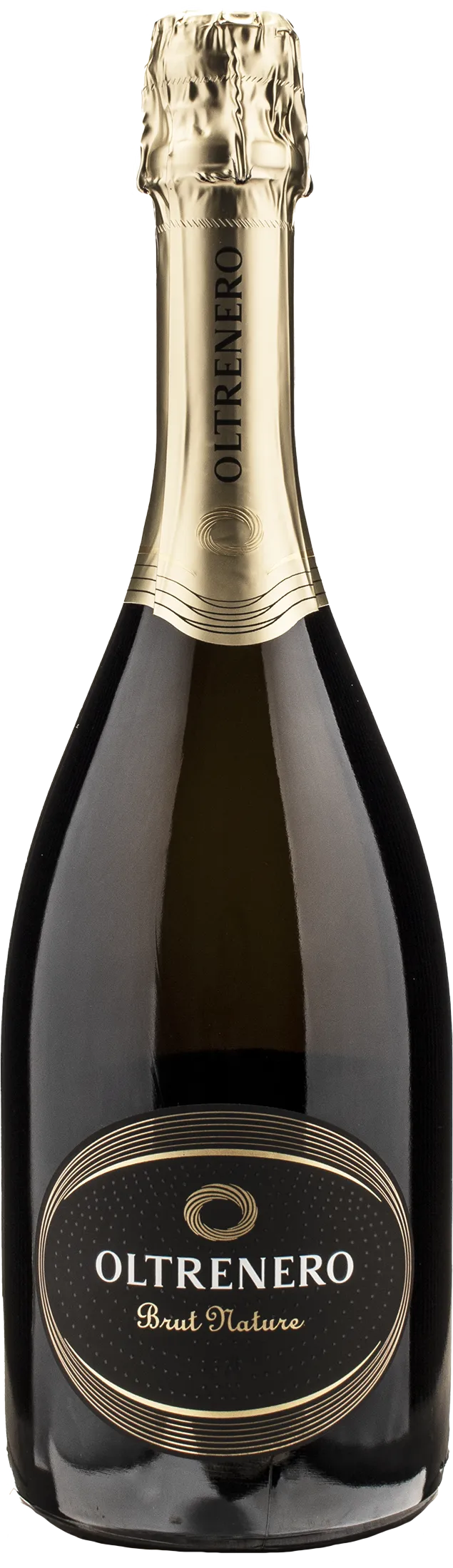
Oltrenero Pinot Nero Brut Nature 2019
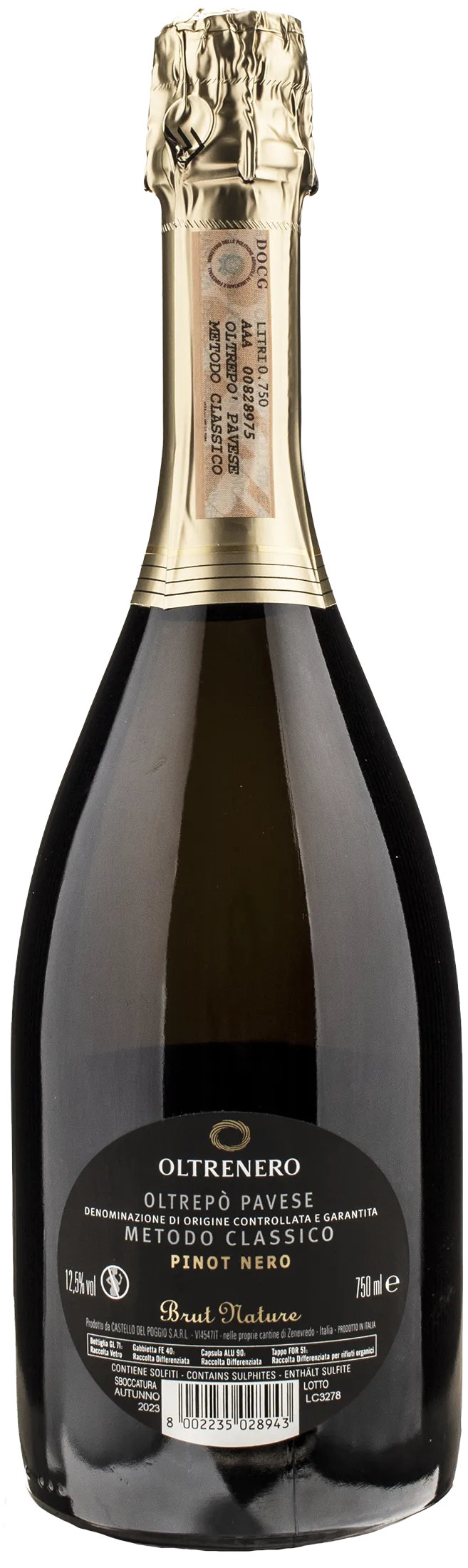
| Denomination | Oltrepò Pavese Metodo Classico DOCG |
|---|---|
| Size | 0,75 l |
| Alcohol content | 12.5% by volume |
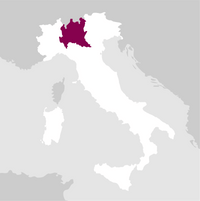
| Area | Lombardy (Italy) |
| Grape varieties | 100% Pinot Nero |
| Aging | After this period, the wine matures partly in steel vats and partly in large oak barrels until the spring following the harvest. The second fermentation and bottle ageing sur lie lasts for around 48 months, followed by 3 months after disgorging. |
| Year | 2019 |
| Product name | Oltrenero Pinot Nero Brut Nature 2019 |
| Color | Pale straw yellow typical of Pinot Noir with slight golden reflections. |
| Perfume | Broad and complex, reminiscent of bread crust, with both mineral and floral perceptions of rose and acacia. The fruity notes are typical of the black grape variety from which it originates: small red berries, including currant and raspberry with a pleasant citrus reminder and a slight sweet hint of pastry. |
| Taste | The palate is sumptuous with a lively savouriness and pleasantly citrusy freshness. The slightly almondy, toasty finish completes the taste sensation and makes it particularly enveloping. |
| Pairings | Excellent as an aperitif, it accompanies all the finest starters. Thanks to its structure, it can be paired with the whole meal, with risottos and delicate pastas, seafood and sushi dishes and even with meat dishes. |
| Region | Lombardy |
| Country | Italy |
Description
Classic method sparkling wine, produced by Tenuta Il Bosco in Lombardy, 12.5% ABV, 100% Pinot Noir, 2019 vintage. A wine born from a passion for the Oltrepò Pavese, a land of great wines and history. Tenuta Il Bosco, founded in 1987, produces this sparkling wine with care, selecting only the finest Pinot Noir grapes. Ample and complex, it recalls bread crust, with mineral and floral notes of rose and acacia. The fruity notes are typical of the red grape variety from which it originates: small red fruits, including currants and raspberries, with a pleasant citrus hint and a subtle sweet pastry note. On the palate, it is sumptuous with a lively savory character and a pleasantly citrusy freshness. The slightly almondy and toasted finish completes the flavor and makes it particularly enveloping.
Awards
-
2019
 2
2This guide is highly respected and offers the most comprehensive review of Italian wines. It has a long tradition and is based on blind tastings carried out by over 100 experts.
Details

Perlage

Perfume

Color

Taste
Serve at:
06 - 08 °C.
Longevity:
05 - 10 years

Pairings
- Start up year: 1987
- Oenologist: Piernicola Olmo
- Bottles produced: 1.000.000
- Hectares: 152
During the Middle Ages the town was called Zenevredo della Pusterla, thanks to the fact that almost all of its territory belonged to the Monastery of Santa Maria Teodote, which was also known as “della Pusterla” because of a small door (postierla) opened up in the 12th century in the wall surrounding the building, which gave direct access to the world outside, without having to pay any duties.
But what is the history of grape-growing and wine production in the Oltrepò Pavese? It was probably the Barbarians who gave this name to the lands they encountered after having crossed the River Po, descending from the North. Inhabited by Ligurians and Insubrian Gauls, the Oltrepò passed under Roman dominion following the famous battle of Clastidium (present-day Casteggio), which took place in 222 B.C.
Under the Romans the area underwent considerable development, due in part to the construction of major communication routes. At that time, as we learn from the chronicles of Pliny the Elder, viticulture was practised successfully and, as Columella relates, good wines were available for drinking. After the fall of the Western Roman Empire, it was the Barbarians who occupied this area. In the Middle Ages, famous noble and clerical families took turns in holding sway over the region.
The Malaspinas, Viscontis, Beccarias, Dal Vermes and Sforzas controlled the area and wrote the story of the Oltrepò, also leaving a trace of their long-held power in the watchtowers, castles, churches and splendid mansions that one can still admire in the towns and villages around Pavia.
For centuries the Oltrepò was a much fought-over zone. As a result of peace treaties, it passed into the hands of the great powers of the time: France, Spain, and then Austria which, under the reign of Maria Theresa, ceded the Oltrepò to the crown of Sardinia under the Treaty of Worms (1743).
The early studies on ampelography and cadastral censuses carried out towards the end of the 18th century bear witness to the area’s important vocation for wine production and for the significant diffusion of viticulture. At the beginning of the 19th century, after a brief return to French dominion under Napoleon, the Oltrepò once again became part of the Kingdom of Sardinia and it was in this period that the vine-growers of Piedmont began cultivating the Pinot Nero variety in the lands to the east of the historic Langhe, Asti and Monferrato zones. Read more

| Name | Oltrenero Pinot Nero Brut Nature 2019 |
|---|---|
| Type | White classic method sparkling wine pas dosé |
| Denomination | Oltrepò Pavese Metodo Classico DOCG |
| Vintage | 2019 |
| Size | 0,75 l |
| Alcohol content | 12.5% by volume |
| Grape varieties | 100% Pinot Nero |
| Country | Italy |
| Region | Lombardy |
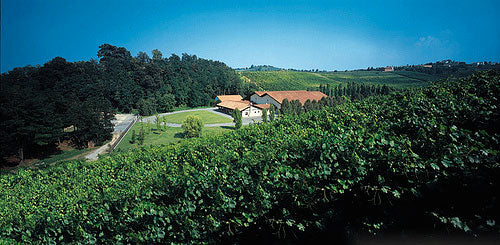
| Vendor | Tenuta Il Bosco |
| Origin | Zenevredo (PV) |
| Soil composition | Deep, clayey-loamy-calcareous soil with the presence of marl. |
| Cultivation system | Guyot |
| Plants per hectare | 4500 strainsHha |
| Yield per hectare | 70 q/Ha |
| Harvest | Manual. Third week of August |
| Wine making | From the 30 hectares of Pinot Noir on the estate, only the grapes that reach the highest quality are selected for the production of Oltrenero. The grapes are harvested by hand into small 16 kg crates. Soft pressing of the whole grapes with an extraction of 45% of free-run juice is followed by static decantation for 12 hours at 16 °C. Alcoholic fermentation takes place for about 12 days at 18 °C. |
| Aging | After this period, the wine matures partly in steel vats and partly in large oak barrels until the spring following the harvest. The second fermentation and bottle ageing sur lie lasts for around 48 months, followed by 3 months after disgorging. |
| Allergens | Contains sulphites |